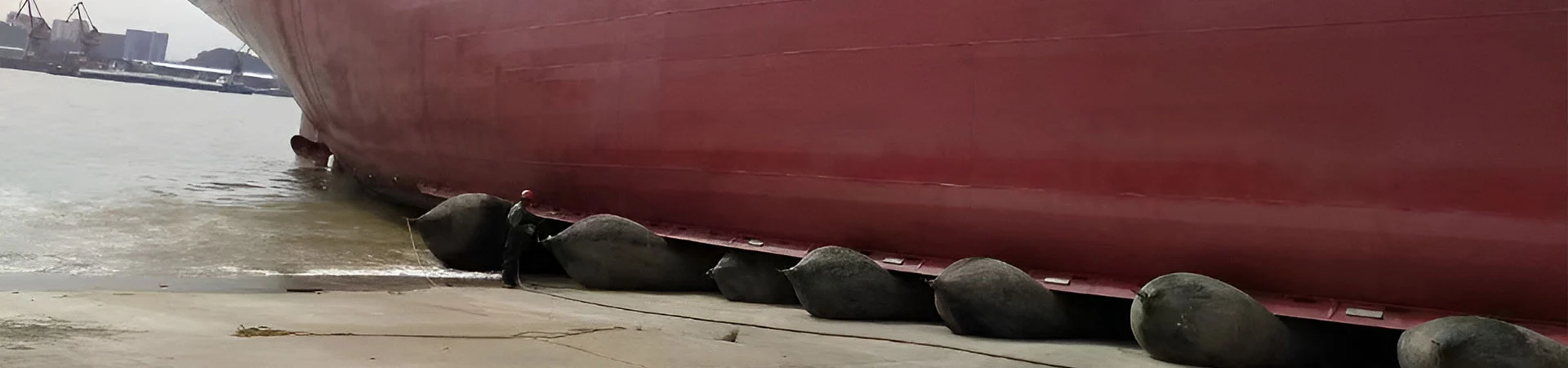
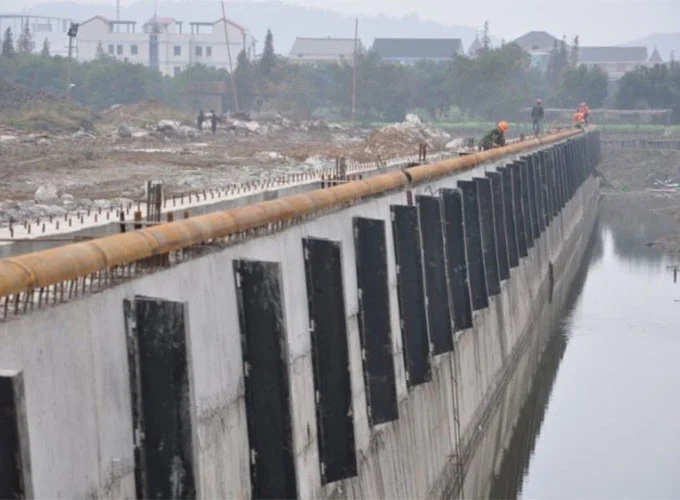
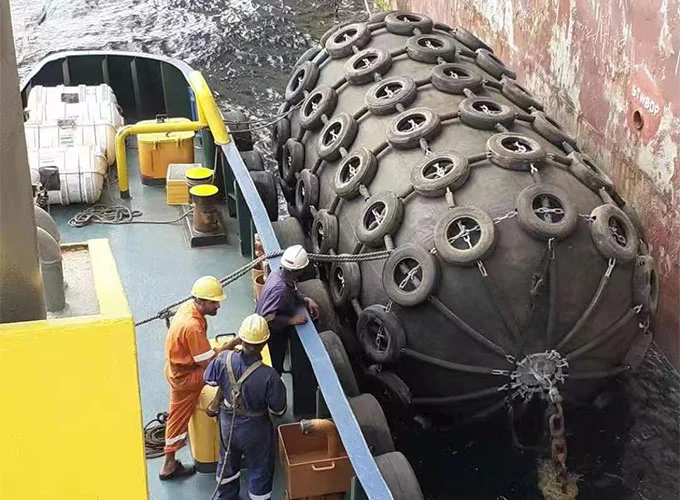
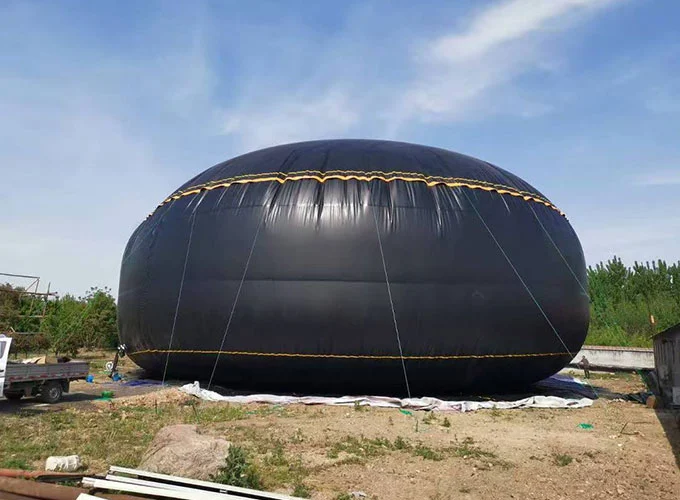
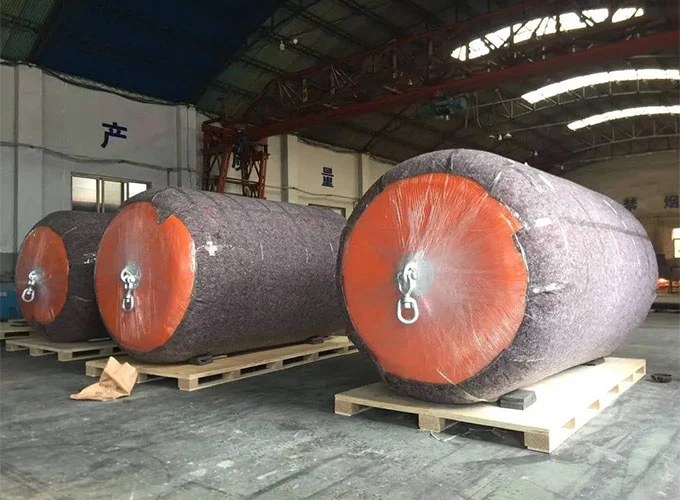
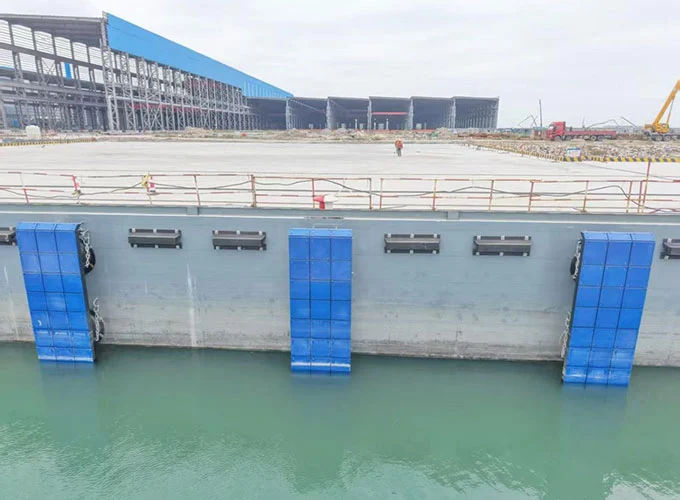
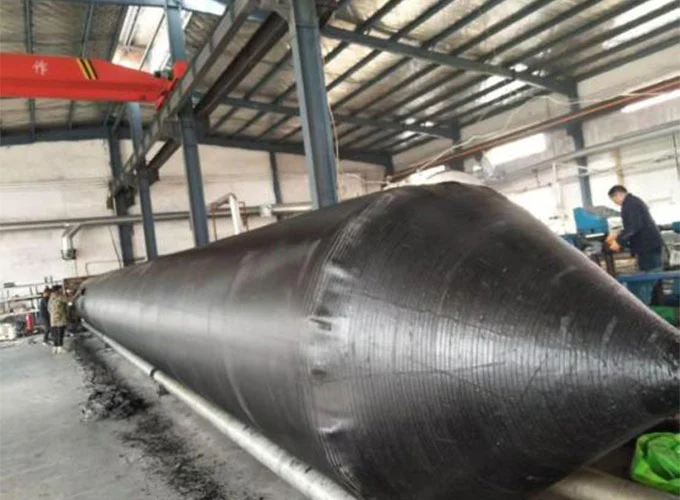
Dock structures face repeated impact from vessels during berthing, tidal movement, loading operations, currents, wind, and accidental contact. Without an effective cushioning system, these forces can damage both the vessel and the dock structure. Solid Rubber Fenders for Docks provide a simple and durable solution by absorbing and distributing impact energy at the contact point.
This guide explains how solid rubber fenders work, where they are commonly used, what characteristics matter during selection, how different designs compare, and how proper installation and maintenance can extend service life. It is intended for port operators, dock builders, shipyards, marina managers, contractors, and industrial buyers looking for dependable marine protection.
Every docking operation creates mechanical forces. Even when a vessel approaches slowly, its mass and momentum can generate significant impact energy. Larger vessels, strong currents, crosswinds, rough water, and restricted maneuvering areas can increase the load transferred to the dock.
Repeated impacts may gradually cause cracking, deformation, surface damage, loose fasteners, or deterioration of concrete and steel components. At the same time, an unprotected contact point can damage a vessel's hull or painted surface.
For busy marine facilities, the problem is not usually one dramatic impact. It is the accumulation of thousands of smaller impacts over years of operation. A properly engineered fender system creates a resilient barrier between the vessel and the fixed structure.
Solid rubber dock fenders are designed to create a controlled cushioning interface between a moving vessel and a stationary structure. When the vessel contacts the rubber, the material deforms under load and absorbs part of the impact energy. The remaining force is distributed through the fender and mounting system rather than being concentrated directly on the dock wall.
The performance of a fender depends on its rubber formulation, geometry, hardness, dimensions, compression characteristics, mounting method, and operating environment.
| Component | Primary Function |
|---|---|
| Rubber body | Absorbs and distributes impact energy |
| Mounting system | Secures the fender to the dock structure |
| Contact surface | Provides a protective interface with the vessel |
| Structural backing | Transfers loads into the dock safely |
Durability in demanding environments. Solid rubber construction is well suited to marine applications where components are exposed to water, moisture, abrasion, and frequent mechanical loading.
Reliable impact resistance. Properly selected rubber can repeatedly deform and recover during normal berthing operations, helping reduce direct stress on dock structures.
Low-complexity construction. Compared with some pneumatic or floating systems, solid rubber fenders have a relatively straightforward construction with no air chamber that needs to remain pressurized.
Flexible installation options. Depending on the profile and project requirements, solid rubber fenders can be installed horizontally, vertically, continuously, or at selected impact points.
Long-term operating value. A robust fender can help reduce structural repairs, vessel contact damage, and unexpected downtime, making dock protection an important part of lifecycle cost management.
Reduces direct contact forces between vessels and fixed structures.
Suitable rubber compounds can withstand demanding outdoor conditions.
Designed for repeated contact rather than one-time impact protection.
Simple construction can make inspection and replacement more manageable.
Solid rubber fenders can be adapted to many marine and industrial environments. Their exact dimensions and performance requirements should be determined according to vessel size, berthing energy, structure, contact pressure, and operating conditions.
Selecting a rubber fender should be based on engineering conditions rather than appearance or price alone. A suitable product needs to match the actual operating environment.
| Selection Factor | Why It Matters |
|---|---|
| Vessel size and mass | Larger vessels generally require greater energy absorption capacity. |
| Approach velocity | Higher berthing speed can significantly increase impact energy. |
| Fender dimensions | Profile and size influence deformation and contact area. |
| Rubber hardness | Hardness affects reaction force, deformation, and contact behavior. |
| Environment | Saltwater, UV exposure, temperature, and abrasion can affect material performance. |
| Mounting conditions | The structure must support the expected loads and fastener arrangement. |
Different marine projects require different protection systems. Solid rubber fenders are particularly attractive when durability, straightforward construction, and fixed installation are priorities.
| Fender Type | Typical Strength | Common Consideration |
|---|---|---|
| Solid Rubber | Durable, simple, versatile | Requires correct sizing and structural mounting |
| Pneumatic | Large deformation and flexible contact | Requires pressure management and suitable handling |
| Sliding/Composite | Low-friction applications | Material and mounting selection are important |
| Foam-Filled | Buoyant and impact absorbing | May be more specialized for floating applications |
The right choice depends on the project. For fixed dock faces, quay walls, piers, ramps, and industrial marine facilities, solid rubber profiles can provide an effective combination of impact resistance, installation flexibility, and operational simplicity.
Even a high-quality rubber fender can perform poorly if it is incorrectly installed. The supporting structure, mounting hardware, fender alignment, bolt spacing, and contact geometry should all be considered during installation.
For complex marine structures, installation should be reviewed by qualified engineering or marine construction personnel. The fender itself is only one part of the complete protection system; the supporting structure must also be capable of carrying the transmitted loads.
Solid rubber fenders are designed for demanding service, but regular inspection remains important. Early identification of damage can prevent small problems from becoming costly structural or operational issues.
Service life varies significantly with rubber formulation, fender design, impact frequency, vessel characteristics, environmental exposure, and installation quality. Therefore, a manufacturer should avoid promising a universal service life without considering the actual application.
For international procurement and large dock projects, technical communication is just as important as product price. Before placing an order, buyers should prepare as much application information as possible.
Dock type, installation location, drawings, available mounting space, and operating conditions.
Vessel dimensions, displacement, berthing speed, contact points, and operating frequency.
Rubber hardness, compound requirements, environmental resistance, and color specifications.
Request product specifications, inspection information, drawings, and relevant test documentation where applicable.
A manufacturer experienced in rubber marine products should be able to discuss these details and recommend a configuration rather than simply offering a standard product without considering the application.
Q: What are solid rubber fenders for docks used for?
A: They provide a resilient barrier between vessels and fixed structures, helping absorb and distribute impact forces during berthing and vessel movement.
Q: Are solid rubber fenders suitable for heavy-duty docks?
A: They can be suitable for heavy-duty marine applications when the fender profile, rubber formulation, mounting system, and overall structure are correctly engineered for the expected loads.
Q: Can solid rubber dock fenders be customized?
A: Many manufacturers can provide different dimensions, profiles, hardness levels, lengths, drilling patterns, and mounting configurations according to project requirements.
Q: How often should dock fenders be inspected?
A: Inspection frequency should reflect vessel traffic, impact frequency, environmental conditions, and the importance of the protected structure. High-use facilities generally benefit from more frequent inspections.
Q: What information is needed to select the right rubber fender?
A: Important information includes vessel size and displacement, berthing speed, dock structure, expected impact conditions, fender dimensions, mounting arrangement, water conditions, and environmental exposure.
Q: Can rubber fenders be used in saltwater environments?
A: Properly formulated and manufactured rubber fenders are widely used in marine environments. Material selection should consider saltwater exposure, UV radiation, temperature, abrasion, and other site-specific conditions.
Q: Why should buyers work directly with an experienced rubber manufacturer?
A: An experienced manufacturer can help connect material selection, product dimensions, performance requirements, tooling, mounting details, and quality control to the actual application, reducing the risk of selecting an unsuitable configuration.
Reliable dock protection starts with choosing a fender that matches the actual impact conditions rather than selecting a product based on size or price alone. From fixed piers and commercial ports to shipyards and industrial loading facilities, the right solid rubber fender can help reduce vessel contact damage, protect dock structures, and support safer, more dependable operations.
Qingdao Aorunda Rubber Industry Co., Ltd. focuses on rubber product manufacturing and can provide professional support for customers evaluating rubber protection solutions for marine and industrial applications.
Looking for Solid Rubber Fenders for Docks? Contact us with your project dimensions, vessel information, installation requirements, and operating conditions to discuss a suitable rubber fender solution for your application.
Phone: +86-532-87511707
Mobile: +86-13697683983
E-mail: anny@ardfenders.com
Address:No. 60, Kongquehe Fourth Road, Clothing Industrial Park, Jimo District, Qingdao City, Shandong Province, China
Copyright © 2026 Qingdao Aorunda Rubber Industry Co., Ltd. All rights reserved.