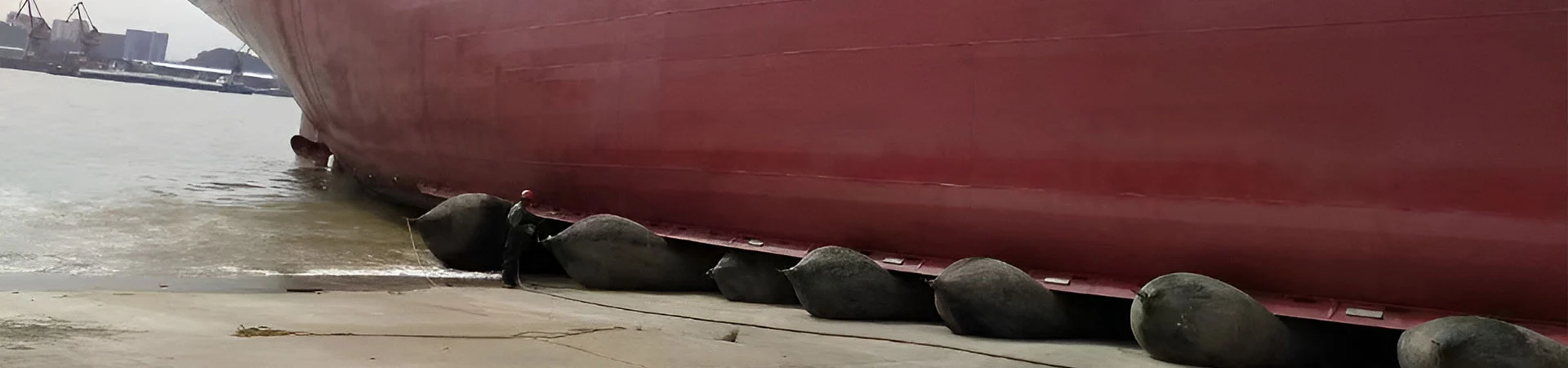
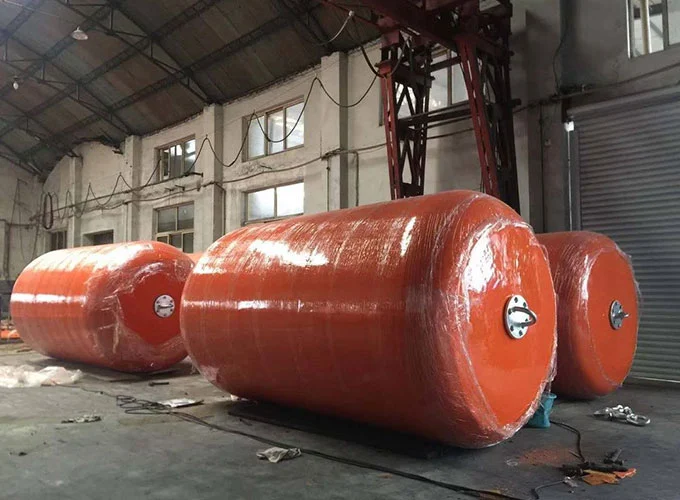
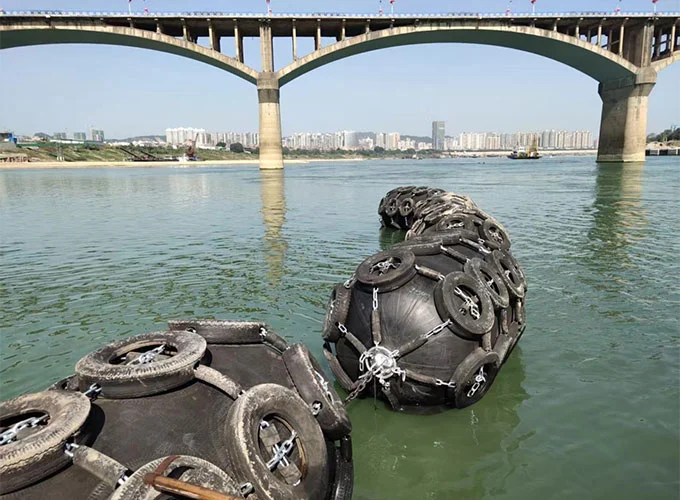
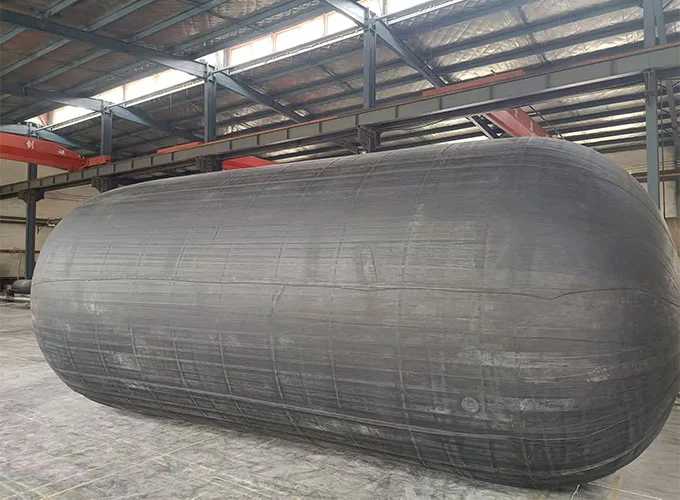
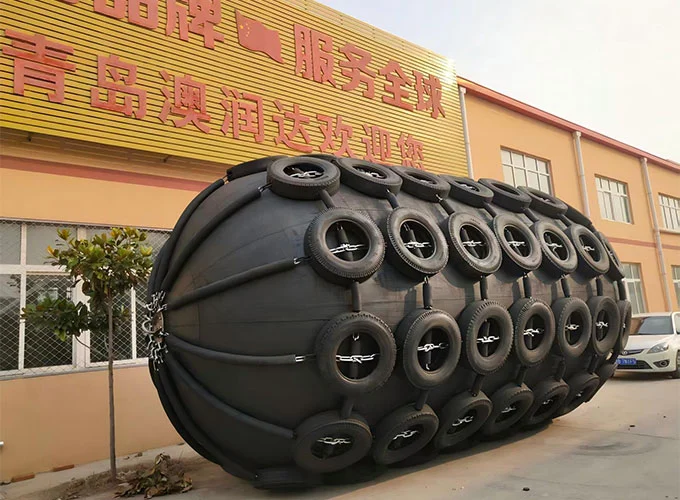
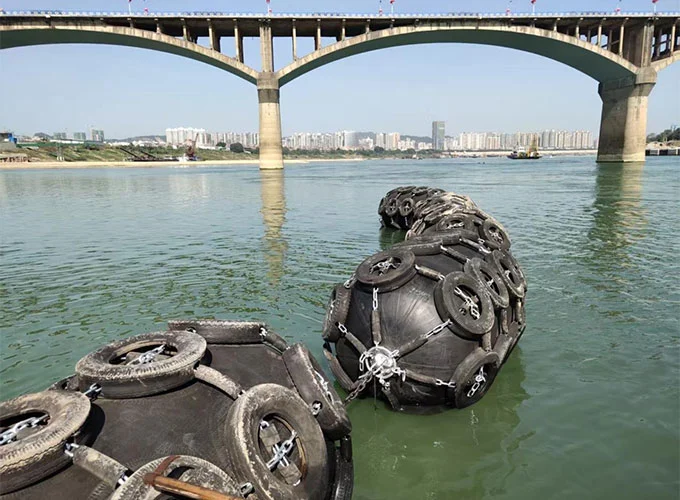
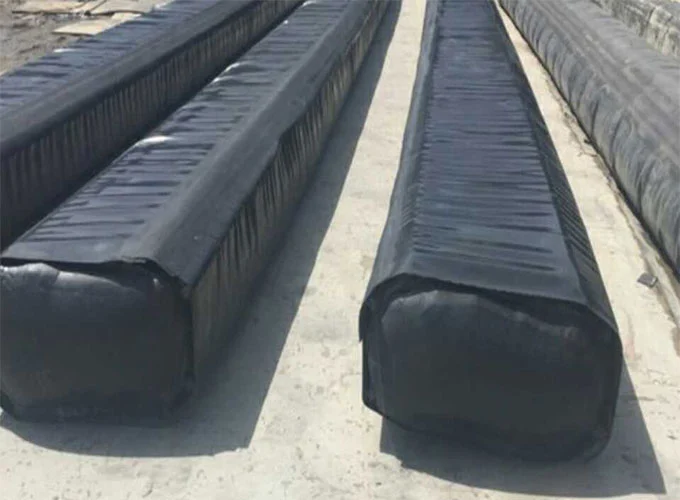
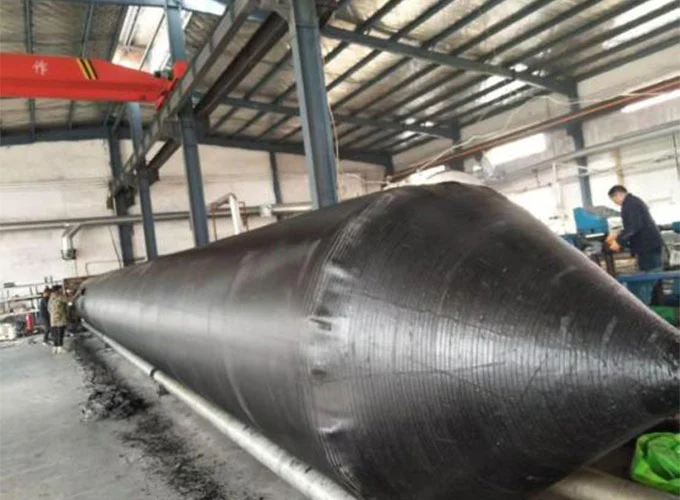
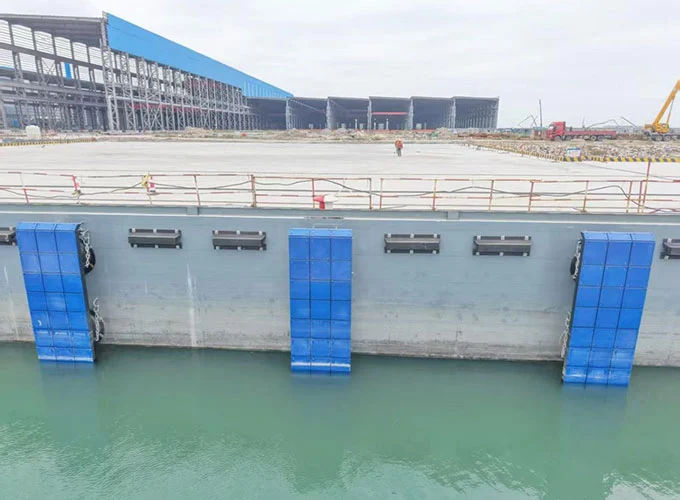
Dock polyurethane fenders are engineered impact-absorption components that help protect vessels, quay walls, loading platforms, dolphins, and other marine structures during berthing and vessel movement. Their combination of resilience, abrasion resistance, weather resistance, and relatively low maintenance makes them suitable for ports, terminals, offshore facilities, shipyards, and industrial docks. This guide explains how dock polyurethane fenders work, where they are used, what benefits they provide, how to select the right design, and which installation and maintenance practices can extend their service life.
Marine docks are exposed to repeated mechanical loads every time a vessel approaches, makes contact, adjusts its position, or moves with tides and waves. Even a controlled berthing operation can generate substantial impact energy. Without an effective protective system, this energy may be transferred directly to the hull or the dock structure.
Dock polyurethane fenders are designed to reduce this impact by deforming under load and absorbing part of the kinetic energy. They can be manufactured in different shapes, dimensions, hardness levels, and mounting configurations to suit specific marine applications.
Polyurethane is particularly useful in demanding dock environments because it can combine elasticity with strong resistance to abrasion, tearing, weather exposure, oils, seawater, and repeated mechanical stress. Depending on the formulation and design, polyurethane fenders can also maintain their performance over a wide range of operating conditions.
The fender is therefore more than a simple buffer. It is an important component of a complete berthing protection system, working between the vessel and the marine structure to control contact pressure and impact energy.
Key Point: A properly engineered fender system should balance energy absorption, reaction force, vessel contact pressure, structural loads, installation conditions, and expected operating frequency.
When a vessel contacts a dock, the fender is compressed or deflected. Instead of allowing the vessel's kinetic energy to act directly on the quay or vessel hull, the polyurethane material absorbs and dissipates a significant portion of that energy.
The basic process can be understood in four stages:
This repeated deformation is important in busy ports because fenders may experience hundreds or thousands of contact events during their operating life.
Fender performance depends on more than material hardness. Shape, thickness, mounting arrangement, temperature, contact angle, compression or deflection, vessel characteristics, and environmental conditions can all affect the actual performance of a fender system.
Berthing accidents do not always involve dramatic collisions. Small, repeated impacts can gradually damage dock surfaces, steel structures, coatings, concrete edges, and vessel hulls. A suitable fender system helps control these everyday loads before they become expensive maintenance problems.
For port operators, the goal is usually to achieve reliable protection without creating excessive reaction forces. A fender that absorbs energy efficiently while maintaining suitable contact pressure can help reduce stress on both the vessel and the supporting structure.
Polyurethane fenders can also provide operational advantages where equipment is exposed to water, sunlight, salt spray, temperature fluctuations, and continuous mechanical contact. Their durability can make them attractive for facilities that require long service intervals and predictable performance.
| Requirement | How the Fender Helps |
|---|---|
| Impact protection | Absorbs and dissipates part of the berthing energy. |
| Structural protection | Reduces direct impact transferred to dock structures. |
| Repeated operation | Provides elastic recovery after normal deformation. |
| Marine exposure | Offers resistance to moisture, weathering, and abrasion when correctly formulated. |
Dock polyurethane fenders can be adapted to a wide range of marine and industrial environments. The appropriate configuration depends on the vessel type, berthing energy, dock structure, and available mounting space.
Because marine facilities differ considerably in size and operating conditions, a standard product should not automatically be considered suitable for every project. Correct engineering begins with the actual application.
The popularity of polyurethane in marine fender applications comes from a combination of mechanical performance and practical durability.
Fenders are frequently exposed to rubbing and sliding as vessels move along the contact surface. A polyurethane compound with appropriate wear resistance can withstand repeated surface contact and help reduce premature replacement.
Polyurethane can deform under load and recover after the load is removed. This characteristic is useful in applications where the fender experiences repeated berthing cycles.
Marine equipment must cope with water, humidity, sunlight, salt spray, and changing temperatures. Properly formulated polyurethane can provide strong resistance to these environmental factors.
Durable materials can reduce the frequency of replacement and routine intervention. However, low maintenance does not mean maintenance-free. Periodic inspection remains important for identifying abnormal wear, loose fasteners, deformation, or structural damage.
Polyurethane fenders can be produced in various profiles and dimensions. This makes it possible to develop solutions for different mounting surfaces, contact geometries, load requirements, and space limitations.
Different marine fender materials have different performance characteristics. Rubber remains widely used, while polyurethane is often selected where specific combinations of wear resistance, resilience, dimensional stability, and service life are desired.
| Characteristic | Polyurethane | Traditional Rubber |
|---|---|---|
| Abrasion resistance | Generally excellent | Good to excellent depending on compound |
| Elastic recovery | High for suitable formulations | High |
| Customization | Wide range of hardness and profiles | Wide range of profiles |
| Maintenance | Usually low with proper design | Usually low with proper design |
The best material is ultimately determined by the actual engineering requirements rather than by material type alone. A qualified supplier should evaluate the operating environment and performance requirements before recommending a specific product.
Choosing a fender based only on dimensions can create performance problems. Buyers should consider the complete operating scenario before placing an order.
Buyer Tip: Provide the supplier with as much project information as possible. Vessel dimensions, berthing conditions, dock drawings, mounting dimensions, environmental conditions, and expected impact loads can help the manufacturer recommend a more suitable fender configuration.
Even a high-quality polyurethane fender can perform poorly if it is incorrectly installed. The supporting structure should be strong enough to withstand the expected loads, while mounting hardware should be properly selected and secured.
Before installation, inspect the contact surface and mounting area for sharp edges, structural defects, contamination, or dimensional problems. Confirm that the fender is aligned correctly and that fasteners are installed according to the manufacturer's recommendations.
Regular inspection should focus on:
Early detection of abnormal conditions can prevent a small fender issue from becoming a larger operational or structural problem.
| Common Problem | Possible Cause | Practical Response |
|---|---|---|
| Rapid surface wear | Excessive sliding or unsuitable material selection | Review contact conditions and material specification. |
| Fender deformation | Loads exceed the intended working range | Reassess energy, deflection, and fender dimensions. |
| Loose mounting | Incorrect installation or repeated dynamic loads | Inspect and secure the mounting system. |
| Unexpected contact pressure | Incorrect profile or operating conditions | Review vessel-fender geometry and load distribution. |
The value of dock polyurethane fenders extends beyond the initial purchase price. A correctly designed system can help protect expensive vessels, concrete structures, steelwork, loading equipment, and operational assets from repeated impact.
For facility managers, durability and predictable performance can also simplify maintenance planning. Instead of responding to frequent emergency damage, operators can establish inspection schedules and replace components according to actual wear and service conditions.
Working with an experienced manufacturer is particularly useful when a project requires customized dimensions, special mounting arrangements, specific hardness, or demanding environmental resistance. Qingdao Aorunda Rubber Industry Co., Ltd. can be considered as a manufacturing partner when evaluating polyurethane rubber protection products and customized solutions for industrial applications.
For international buyers, technical communication is also important. Product drawings, material specifications, dimensional tolerances, performance data, installation recommendations, packaging requirements, and quality inspection procedures should be clarified before production.
They are primarily used to protect vessels and marine structures from impact during berthing, positioning, loading, unloading, and vessel movement. They act as a protective interface between the vessel and dock structure.
Polyurethane can be suitable for marine environments when the formulation is selected for the intended exposure conditions. Buyers should confirm resistance requirements related to seawater, UV radiation, temperature, abrasion, and any chemicals present at the site.
Service life varies significantly according to material formulation, fender geometry, impact frequency, vessel movement, installation quality, environmental exposure, and maintenance. There is no universal service-life figure that applies to every application.
Yes. Depending on the manufacturing process, polyurethane fenders can be customized in dimensions, profiles, hardness, mounting configuration, and other technical characteristics. Customization should be based on the project's actual load and installation requirements.
Fender size should be determined from factors such as vessel displacement, berthing velocity, approach angle, energy absorption requirements, allowable reaction force, contact pressure, dock structure, and installation space. A qualified manufacturer can assist with the technical selection.
Useful information includes required dimensions, drawings, vessel specifications, installation location, estimated impact conditions, operating environment, quantity, mounting details, and any existing fender specifications. More complete information generally allows the supplier to provide a more accurate recommendation.
Looking for reliable Dock Polyurethane Fenders for your marine project?
The right fender is not simply a matter of choosing a rubber component with the correct dimensions. It requires careful consideration of impact energy, reaction force, contact pressure, vessel movement, environmental exposure, mounting conditions, and long-term operating requirements.
If you are planning a new dock, upgrading an existing fender system, or looking for a customized polyurethane solution, contact us with your project requirements. Qingdao Aorunda Rubber Industry Co., Ltd. can work with buyers to evaluate application conditions and develop a suitable product specification for their project.
Contact us today to discuss your Dock Polyurethane Fenders requirements and find a practical solution for safer, more reliable marine operations.
Final Takeaway: Dock polyurethane fenders play a critical role in controlling berthing impact and protecting both vessels and marine infrastructure. Their resilience, abrasion resistance, environmental durability, and design flexibility make them valuable for modern ports, terminals, shipyards, and industrial docks. The most reliable results come from selecting the material and geometry according to real operating conditions, installing the system correctly, and maintaining it through regular inspection.
Phone: +86-532-87511707
Mobile: +86-13697683983
E-mail: anny@ardfenders.com
Address:No. 60, Kongquehe Fourth Road, Clothing Industrial Park, Jimo District, Qingdao City, Shandong Province, China
Copyright © 2026 Qingdao Aorunda Rubber Industry Co., Ltd. All rights reserved.