Follow Us:

News

What Makes Marine Buoyancy Pontoon Essential for Modern Floating Infrastructure?

2026-06-17 0 Leave me a message

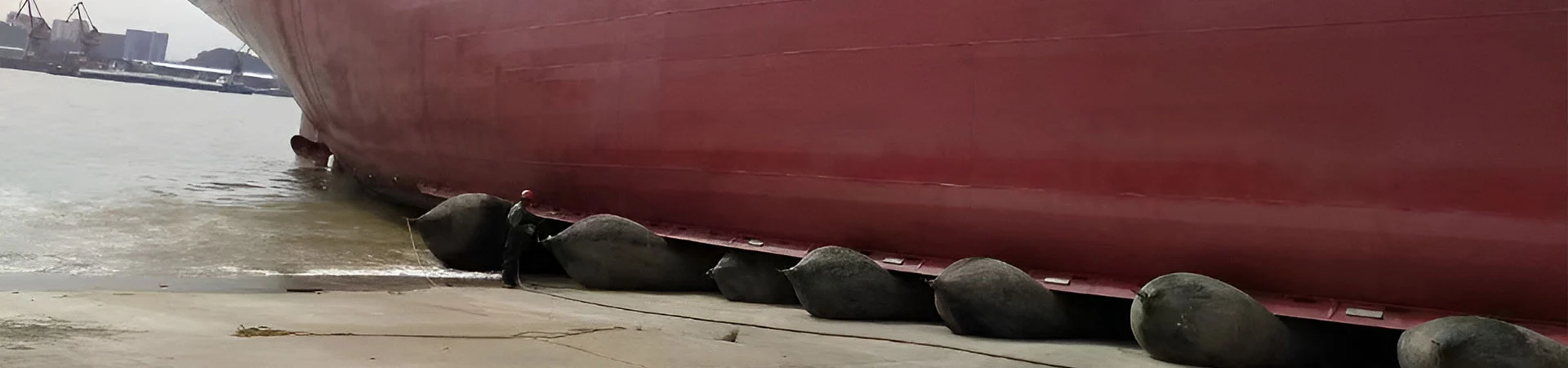
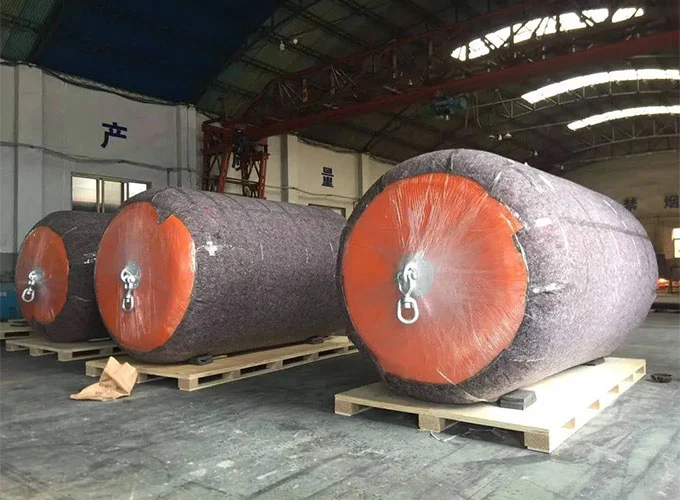
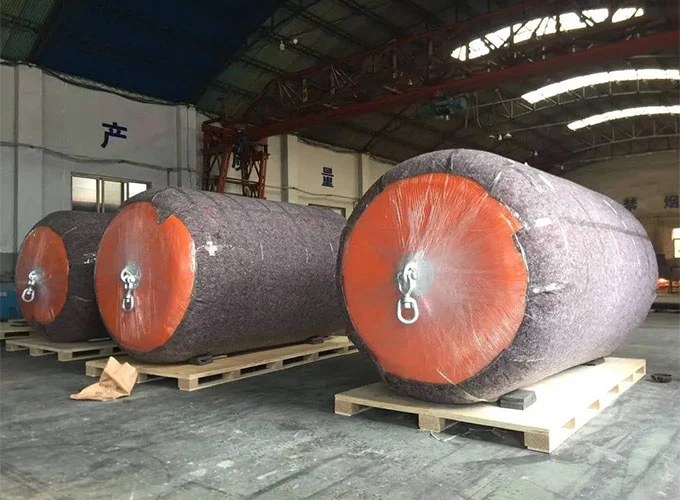
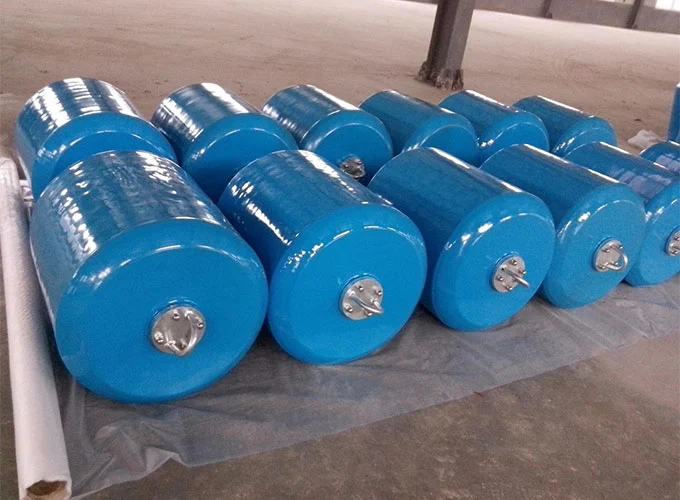
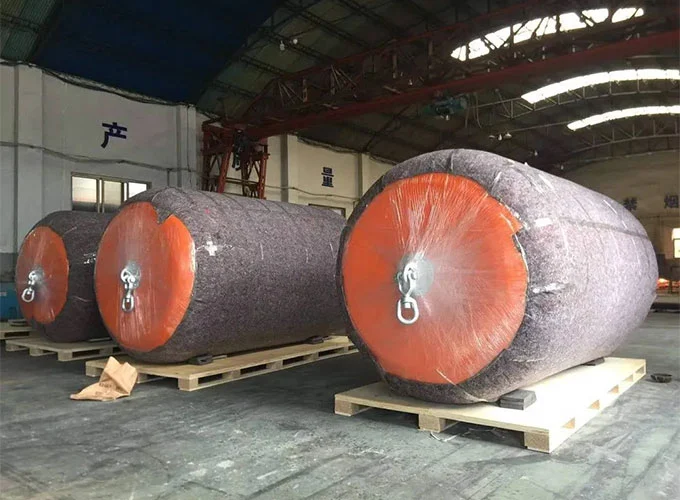
Marine buoyancy pontoons have become a foundational component in today’s offshore engineering, waterfront construction, and floating infrastructure systems. From supporting heavy-duty docks and bridges to enabling aquaculture farms and temporary marine platforms, these modular flotation structures play a crucial role in ensuring stability, safety, and long-term durability in challenging aquatic environments. This article explores their working principles, applications, materials, advantages, and selection guidelines in detail to help buyers, engineers, and project planners make informed decisions.

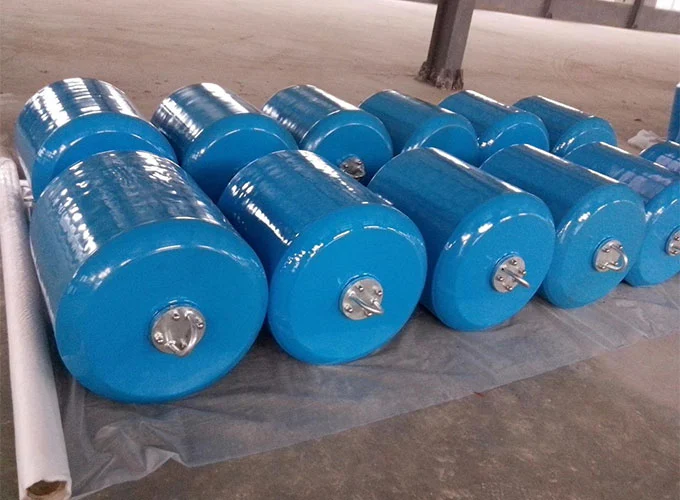
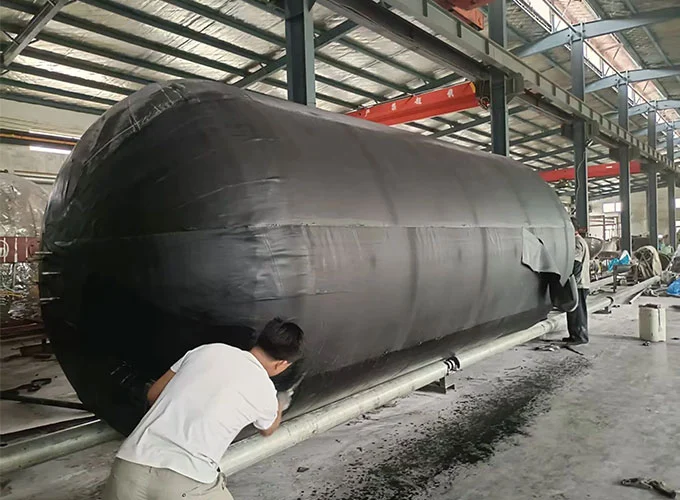
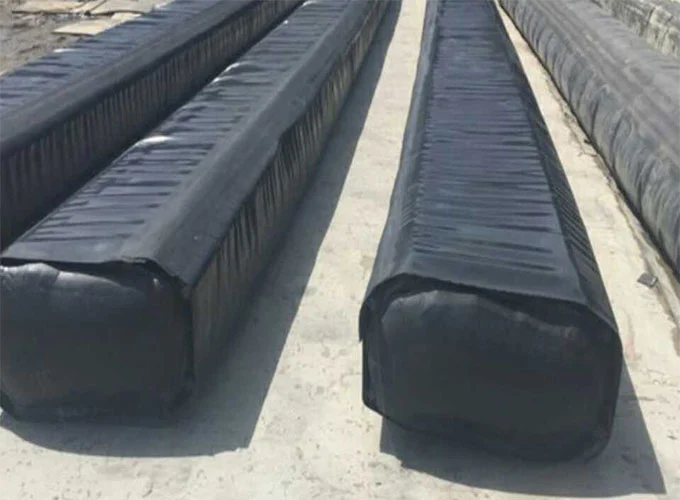
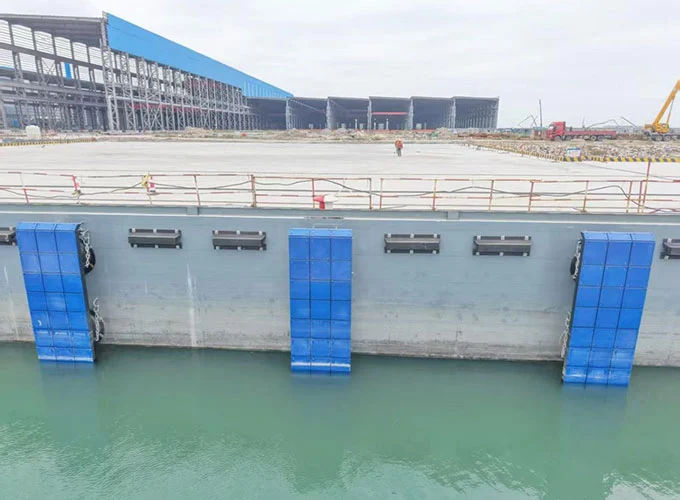
Marine buoyancy pontoons


Article Abstract

This comprehensive guide explains everything about marine buoyancy pontoons, including their structure, engineering principles, and real-world applications. It also addresses common challenges such as load stability, corrosion resistance, installation difficulty, and lifecycle cost. Readers will learn how to choose the right pontoon system, understand different material options, compare performance features, and avoid costly mistakes in marine projects. Whether used for docks, floating platforms, or industrial marine systems, pontoons are critical for ensuring reliable buoyancy and structural integrity in water-based environments.


Table of Contents


1. Overview of Marine Buoyancy Pontoon Systems

Marine buoyancy pontoons are engineered floating units designed to support structures on water surfaces. They function by displacing water to create upward buoyant force, enabling platforms, walkways, docks, and equipment to remain stable above water. These systems are widely used in both commercial and industrial marine environments due to their adaptability and modular design.

Unlike fixed piers or piles, pontoons offer flexibility. They can be relocated, expanded, or reconfigured depending on project requirements. This makes them ideal for temporary installations and dynamic environments such as harbors, lakes, rivers, and offshore zones.


2. How Marine Buoyancy Pontoons Work

The working principle of marine buoyancy pontoons is based on Archimedes’ law of buoyancy: a floating object experiences an upward force equal to the weight of the water it displaces.

When a pontoon is placed in water, it displaces a volume of water equal to its submerged portion. The buoyant force generated counteracts gravity, allowing heavy loads to be supported on the water surface.

  • Lightweight internal structure reduces sinking risk
  • Air-filled chambers enhance flotation stability
  • Modular design distributes load evenly

This simple yet powerful engineering principle allows pontoons to support everything from small floating docks to massive industrial platforms.


3. Materials Used in Modern Pontoon Construction

Material selection plays a critical role in determining durability, load capacity, and maintenance requirements. Common materials include high-density polyethylene (HDPE), reinforced concrete, steel, and aluminum alloys.

Material Breakdown
Material Advantages Disadvantages Typical Use
HDPE Plastic Corrosion-resistant, lightweight, low maintenance Lower load capacity compared to steel Floating docks, marinas
Steel High strength, durable under heavy load Requires anti-corrosion treatment Industrial platforms
Concrete Extremely stable, long lifespan Heavy and difficult to install Permanent marine structures
Aluminum Alloy Lightweight, corrosion-resistant Higher cost Portable floating systems

4. Key Applications Across Industries

Marine buoyancy pontoons are widely used across various sectors due to their versatility and reliability.

  • Marinas & Docks: Floating walkways, boat berths, and jetty systems
  • Aquaculture: Fish farming cages and feeding platforms
  • Construction: Temporary floating platforms for bridge and pier work
  • Energy Sector: Offshore wind and solar installation platforms
  • Military Use: Mobile naval docks and emergency operations

Each application demands different load-bearing capacities and environmental resistance levels, making customization essential.


5. Advantages of Using Marine Buoyancy Pontoons

The adoption of pontoon systems has significantly improved efficiency and safety in marine engineering projects.

  • High adaptability to different water conditions
  • Modular expansion capability
  • Reduced installation time compared to fixed structures
  • Cost-effective long-term maintenance
  • Improved safety and stability for users

These advantages make them a preferred solution for both temporary and permanent water-based infrastructure.


6. How to Choose the Right Pontoon System

Selecting the right marine buoyancy pontoon depends on several engineering and environmental factors.

  • Load Requirements: Determine static and dynamic load capacity
  • Water Conditions: Consider waves, tides, and currents
  • Material Selection: Match durability needs with budget constraints
  • Installation Environment: Freshwater vs saltwater exposure
  • Maintenance Capability: Long-term upkeep feasibility

A careful assessment of these factors ensures optimal performance and reduces long-term operational risks.


7. Comparison Table: Pontoon Types

Type Strength Flexibility Cost Level Best For
Modular HDPE Pontoon Medium High Medium Marinas, docks
Steel Pontoon High Low High Heavy industrial use
Concrete Pontoon Very High Low Very High Permanent infrastructure

8. Installation and Maintenance Insights

Proper installation is essential for ensuring structural safety and long service life. Most modern pontoon systems are designed for modular assembly, allowing fast deployment.

  • Site preparation and water depth evaluation
  • Anchoring system setup for stability
  • Module connection and alignment
  • Load testing before operation

Maintenance typically includes periodic inspection for cracks, corrosion, or joint loosening. HDPE systems require minimal upkeep, while steel structures demand protective coatings and anti-rust treatments.


9. Common Challenges and Solutions

Despite their advantages, marine buoyancy pontoons face several operational challenges.

  • Wave Impact: Solved with reinforced anchoring systems
  • Corrosion: Addressed through anti-corrosion coatings
  • Load Imbalance: Managed by modular weight distribution
  • Biofouling: Prevented with surface treatment

Understanding these challenges helps in designing more reliable floating systems.


10. Future Trends in Floating Marine Systems

The future of marine buoyancy pontoons is closely linked to sustainability and smart engineering technologies. Innovations include:

  • Eco-friendly recycled materials
  • Smart sensors for load and stability monitoring
  • Hybrid floating solar-integrated pontoons
  • Improved modular locking systems

These advancements are shaping the next generation of marine infrastructure toward greater efficiency and environmental compatibility.


11. Frequently Asked Questions

Q1: How long do marine buoyancy pontoons last?
Depending on material, they can last from 10 to over 30 years with proper maintenance.

Q2: Can pontoons support heavy machinery?
Yes, steel and concrete pontoons are designed for heavy industrial loads.

Q3: Are they suitable for rough sea conditions?
Yes, but they require reinforced anchoring and wave-resistant design features.

Q4: What is the most cost-effective option?
HDPE modular pontoons are generally the most economical for most applications.

Q5: Do they require frequent maintenance?
Not necessarily; maintenance depends on material choice and environmental exposure.


12. Conclusion & Contact Information

Marine buoyancy pontoons represent a highly efficient and adaptable solution for modern water-based infrastructure needs. Their ability to provide stable floating support while maintaining flexibility and scalability makes them indispensable in marine engineering. Whether for commercial docks, industrial platforms, or renewable energy installations, choosing the right pontoon system directly impacts performance, safety, and cost efficiency.

For high-quality and durable marine buoyancy pontoon solutions, Qingdao Aorunda Rubber Industry Co., Ltd. provides reliable manufacturing expertise and customized engineering support tailored to diverse project requirements.

Contact us today to discuss your marine project needs and receive professional guidance on selecting the most suitable pontoon system for your application. Our team is ready to support your success in building safe, stable, and long-lasting floating infrastructure.

Related News
Leave me a message
X
We use cookies to offer you a better browsing experience, analyze site traffic and personalize content. By using this site, you agree to our use of cookies.Privacy Policy
RejectAccept