Concrete construction is placing greater emphasis on structural efficiency, material use, and the formation of complex geometries. Hollow columns, bridge components, tubular structures, and other reinforced concrete elements often require an internal forming method that maintains the intended cavity during casting. Within this context, Rubber Inflatable Core Mold technology offers an alternative to rigid internal molds in applications where flexibility and removal after curing are important considerations.
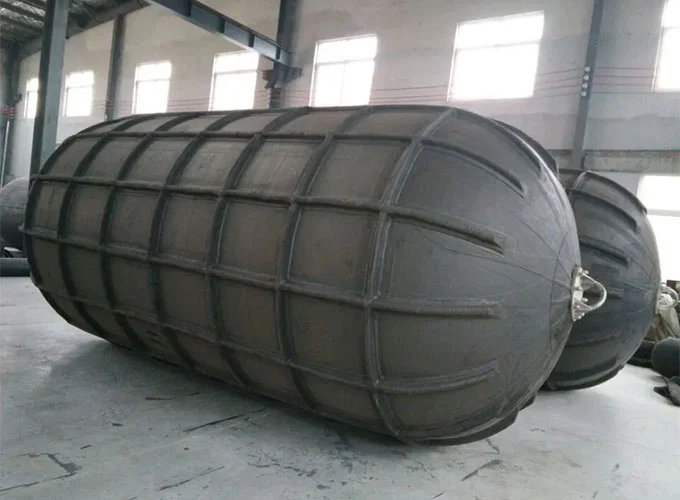
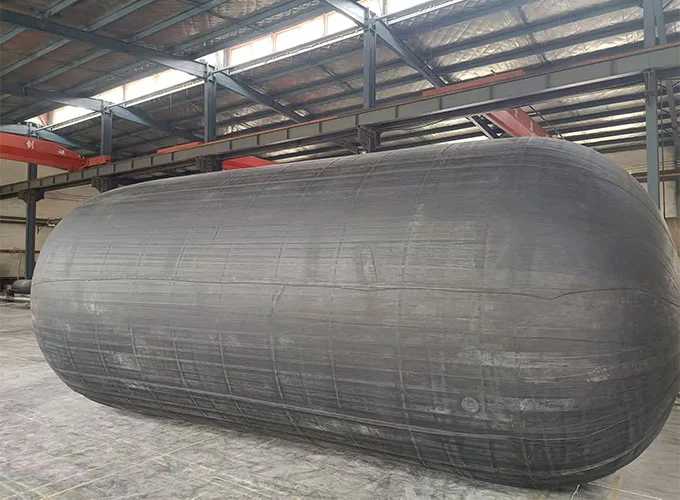
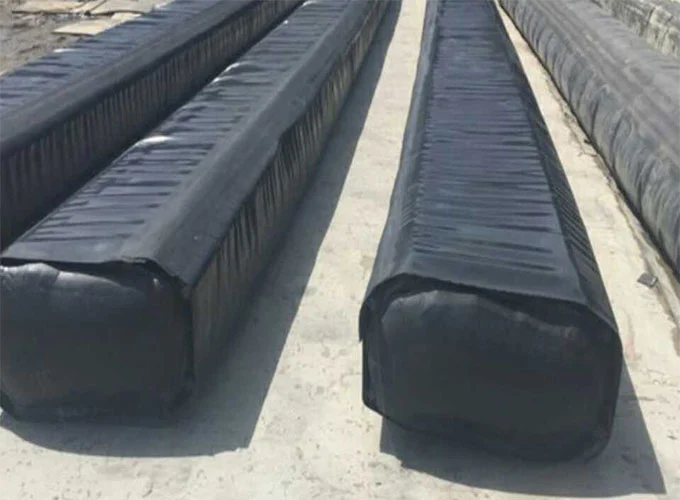
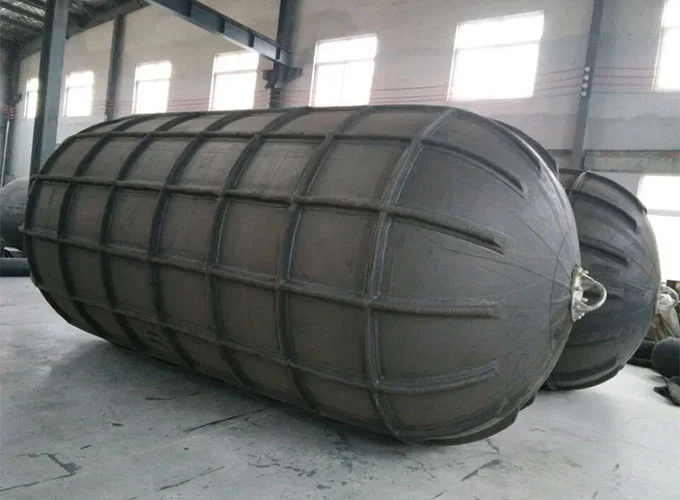
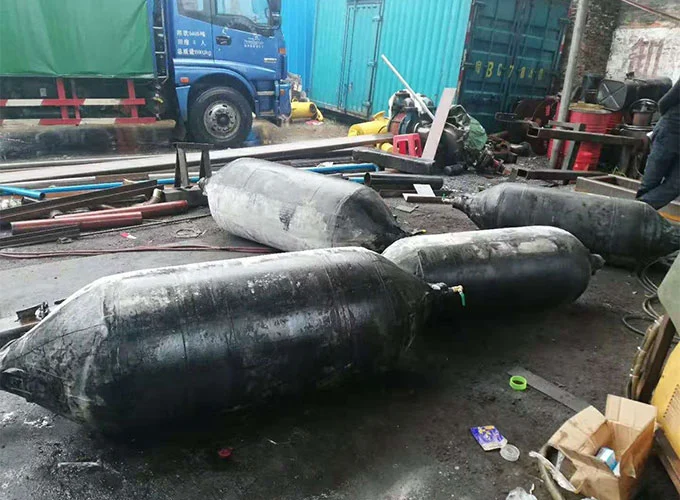
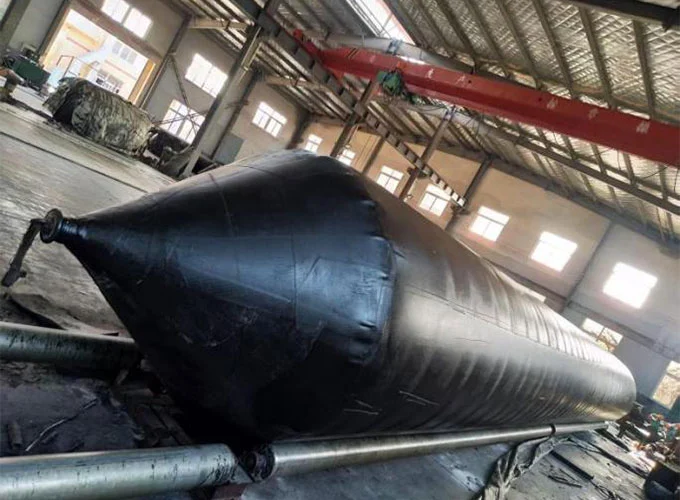
Unlike conventional solid cores, inflatable rubber molds use a flexible body that can be expanded to a specified shape and deflated after the surrounding material has developed sufficient strength. Their practical value depends on the relationship between mold geometry, internal pressure, concrete placement, and the requirements of the finished structure.
Hollow concrete components can reduce structural weight and material consumption when their geometry is designed to meet the required load-bearing conditions. However, creating an internal cavity introduces additional forming challenges. The core must maintain its position during concrete placement, resist local deformation, and allow removal without damaging the hardened surface.
Rigid cores can provide dimensional stability, but their removal may become difficult when the cavity has a narrow opening, a curved profile, or a long internal passage. Segmented systems can address some of these constraints, although assembly and extraction may add complexity to the construction sequence.
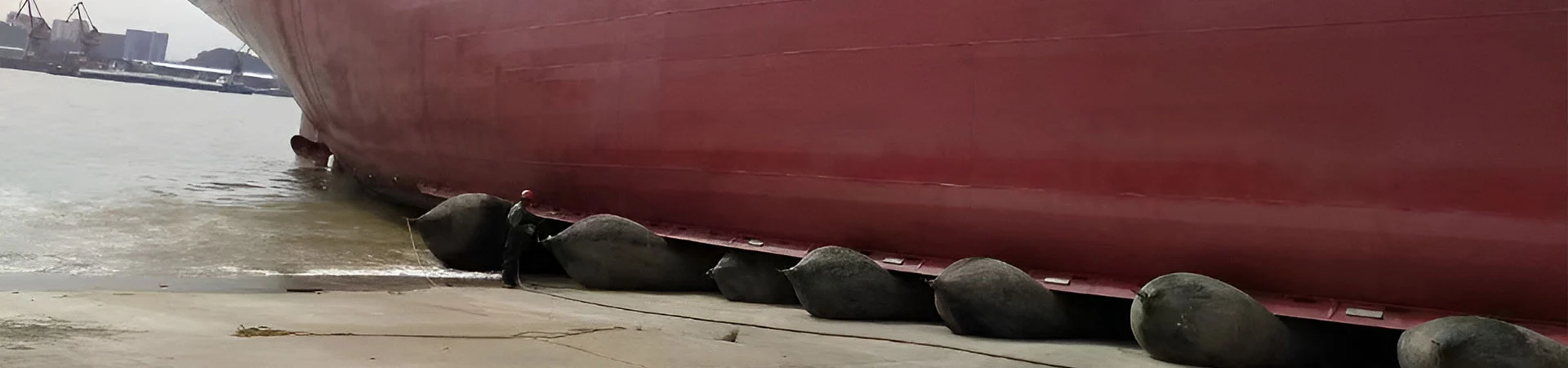
Inflatable forming introduces another approach. Before concrete placement, the rubber body is positioned and inflated to its specified working dimensions. After the concrete reaches the required release strength, the mold is deflated and withdrawn. This sequence can simplify core removal in suitable applications, although the result depends on the design, access conditions, and curing process.
Research into inflatable construction methods continues to examine their potential for geometrically complex structures. A review published in Advances in Civil Engineering in March 2026 examined reinforced concrete shell structures produced using inflated forms, including methods involving membrane shaping, reinforcement placement, and concrete application. The review also identified technical challenges that remain relevant to the development of inflatable construction systems. <Cite refs={["turn985683search7"]}/>
This research concerns inflated structural forms rather than every type of internal rubber core, so the applications should not be treated as interchangeable. Nevertheless, it illustrates a broader engineering interest in flexible forming methods that can reduce dependence on complicated rigid frameworks.
For internal concrete cavities, Rubber Inflatable Core Mold systems are relevant where the required shape can be maintained through controlled inflation and the deflated body can be removed through an available opening. Potential applications include hollow precast components, selected bridge elements, concrete pipes, and specially designed reinforced concrete members. Suitability must be established for each component rather than assumed across all concrete work.
Rubber elasticity is central to inflatable core performance, but flexibility alone does not determine suitability. The material must tolerate repeated expansion and deflation, contact with fresh concrete, handling during installation, and the environmental conditions expected at the construction site.
Wall thickness, reinforcement, rubber formulation, and manufacturing consistency influence how the mold responds to internal pressure. If the body expands unevenly, the resulting cavity may deviate from the intended dimensions. Excessive deformation can also affect the concrete cover, wall thickness, or alignment of the internal void.
Pressure control is therefore a process requirement, not simply an inflation step. The working pressure must be established for the mold design and supported by appropriate testing. Operators should avoid exceeding specified limits in an attempt to correct poor positioning or an unsuitable mold configuration.
Surface condition is another consideration. Abrasion, cuts, aging, and repeated folding can affect the integrity of the rubber body. Inspection before use helps identify visible damage, while pressure-retention checks can help reveal leakage or other defects. The appropriate inspection method and acceptance criteria depend on the equipment design and project requirements.
The performance of an inflatable core depends on the entire forming sequence. Before installation, the mold should be checked for dimensional conformity, surface damage, valve condition, and compatibility with the intended cavity. Positioning must account for reinforcement spacing, the required concrete cover, and any movement that could occur during pouring or vibration.
Concrete placement requires particular attention around the mold. Uneven filling, excessive local pressure, or poorly controlled vibration can contribute to displacement and dimensional variation. The concrete mix, placement rate, reinforcement arrangement, and consolidation method should therefore be considered together rather than managed as separate operations.
Demolding must also follow a defined sequence. Deflation should begin only when the concrete has reached the specified release condition. Premature removal may damage cavity edges or disturb the surrounding concrete, while delayed removal can create unnecessary handling difficulties. Access openings and extraction paths should be considered during the original mold design, especially for long or irregular cavities.
For these reasons, Rubber Inflatable Core Mold technology is most effective when integrated into the construction plan from the design stage. Retrofitting an inflatable core into a geometry developed for a rigid mold may introduce pressure, access, or dimensional constraints that are difficult to resolve during installation.
Quality assessment should extend beyond checking whether a mold can inflate successfully. Relevant criteria include dimensional stability under working pressure, air leakage, surface integrity, resistance to repeated handling, and the ability to deflate and withdraw the mold as intended.
On completed concrete components, inspection may include cavity dimensions, surface defects, wall thickness, and conformity with project drawings. Where the structure carries significant loads, the forming method must remain consistent with the approved structural design and applicable construction requirements.
Reuse can be another consideration because a durable inflatable mold may serve multiple production cycles. However, its usable life depends on operating pressure, storage conditions, cleaning practices, exposure to construction materials, and the frequency of inflation and deflation. A fixed number of reuse cycles should not be assumed without supporting test data and inspection records.
Clear records of pressure settings, inspection findings, repairs, and service history can help identify deterioration before it affects forming quality. These controls are particularly important when multiple molds are used across repeated precast production runs.
The development of concrete forming technology is not simply a choice between rigid and flexible equipment. Each method has strengths and limitations determined by geometry, production volume, dimensional tolerances, site access, and structural requirements.
Rubber Inflatable Core Mold systems provide a practical option for selected applications in which a flexible internal form can maintain the required cavity and be removed through controlled deflation. Their value is most evident when the forming method addresses a clearly defined construction problem rather than being adopted solely because it uses a different material.
As construction projects continue to explore complex concrete geometries and more efficient forming sequences, evaluation will increasingly depend on measurable performance: cavity accuracy, installation stability, demolding condition, inspection results, and repeat-use durability. These factors provide a more meaningful basis for assessing inflatable core technology than broad claims about speed or cost reduction.
The long-term relevance of inflatable rubber forming will therefore depend on how well material engineering, mold design, and construction procedures work together. When these elements are matched to the requirements of a specific concrete component, inflatable cores can contribute to a controlled and adaptable approach to modern concrete construction.
-
Phone: +86-532-87511707
Mobile: +86-13697683983
Email: anny@ardfenders.com
Address:No. 60, Kongquehe Fourth Road, Clothing Industrial Park, Jimo District, Qingdao City, Shandong Province, China
Copyright © 2026 Qingdao Aorunda Rubber Industry Co., Ltd. All rights reserved.