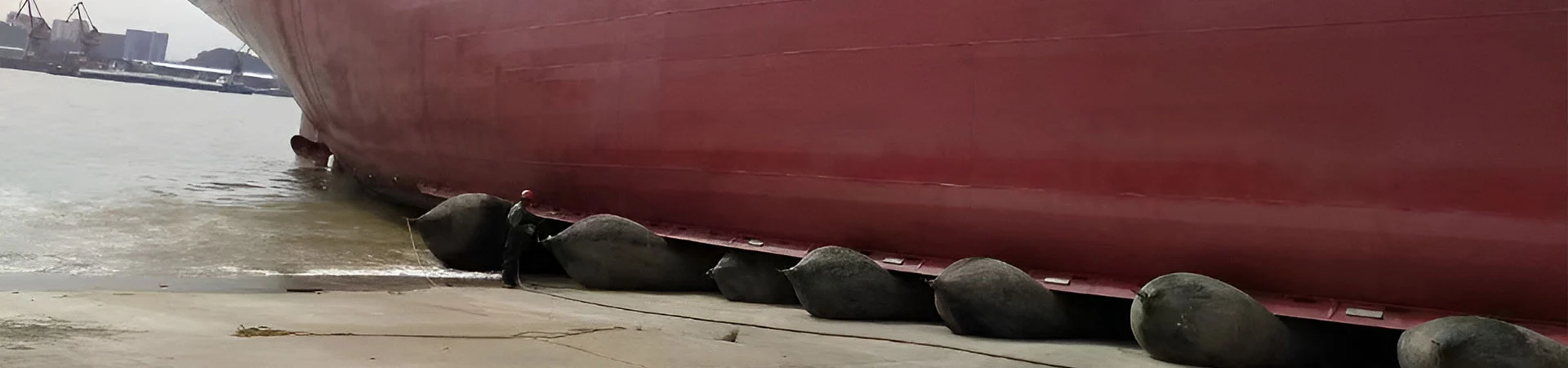
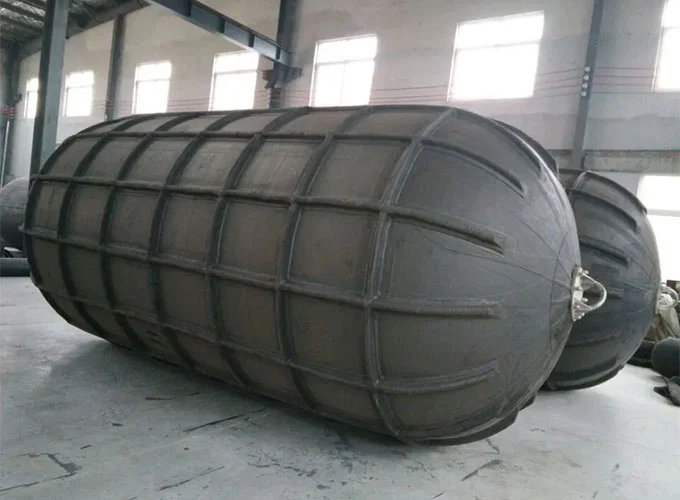
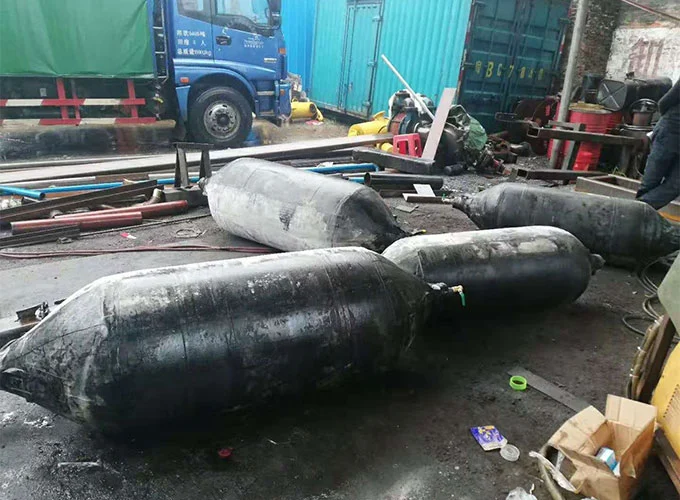
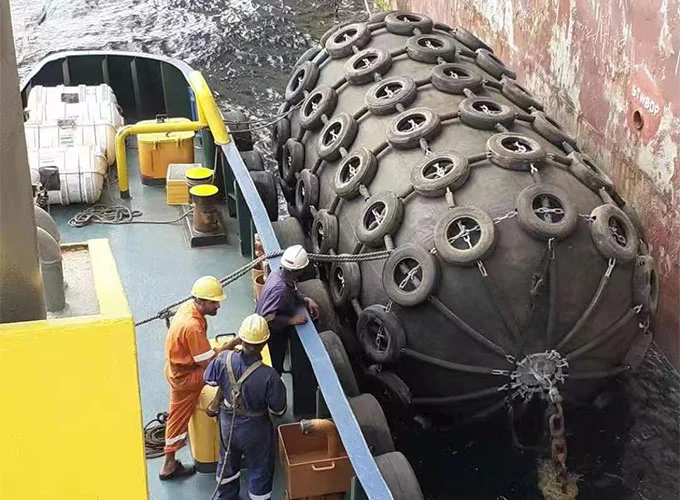
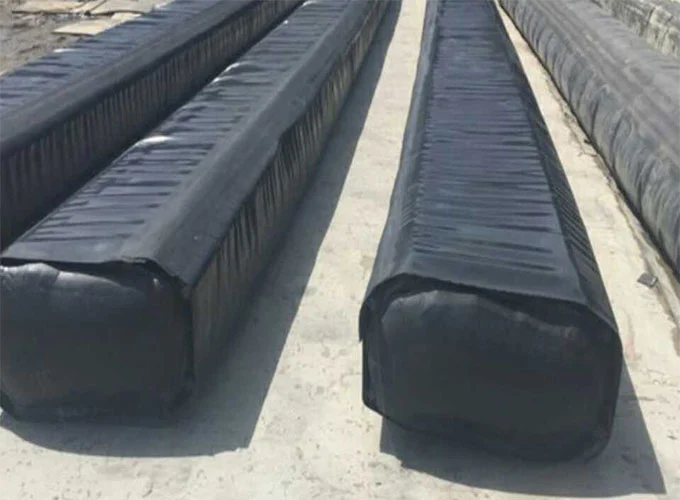
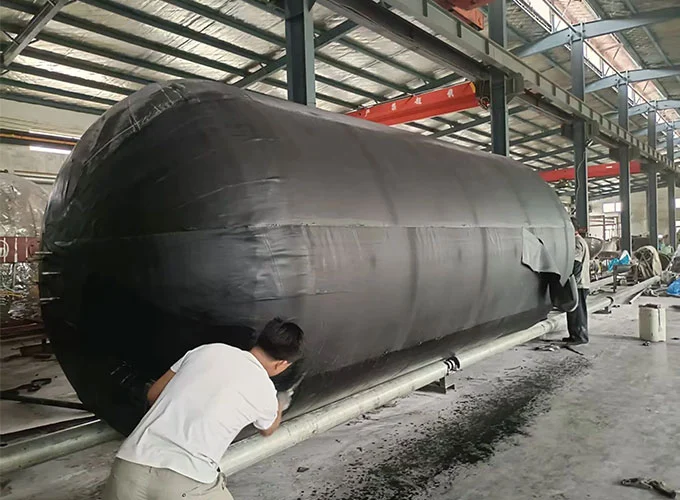
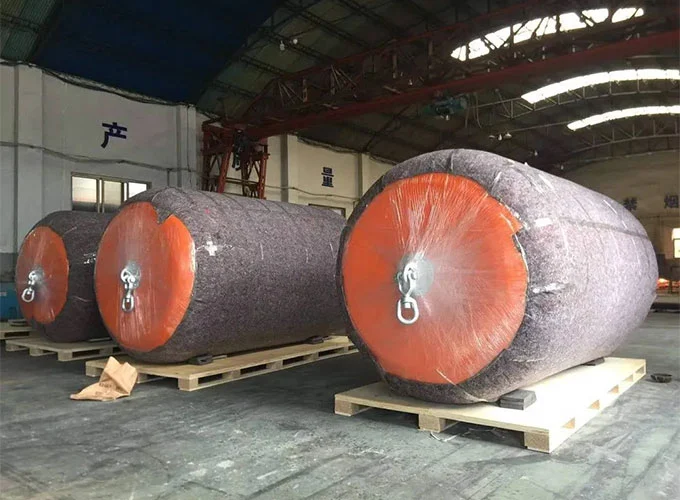
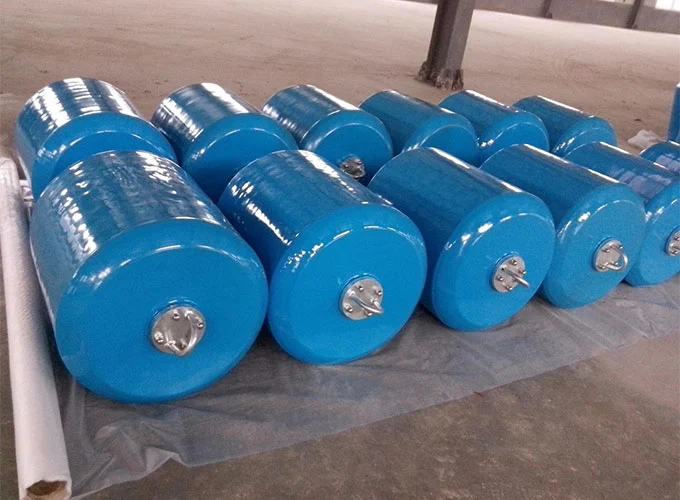
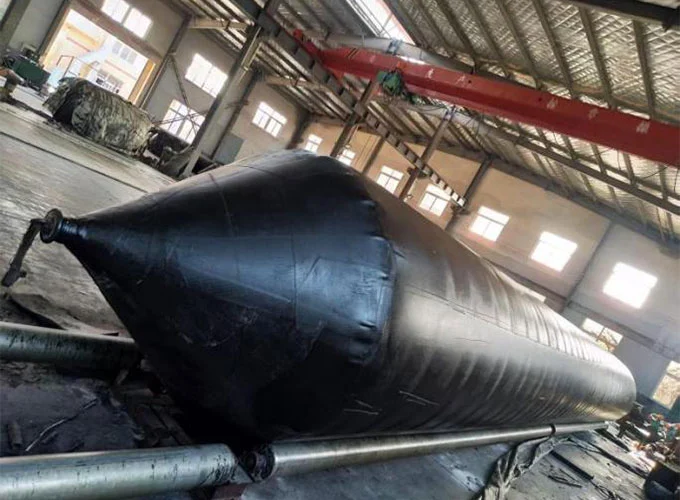
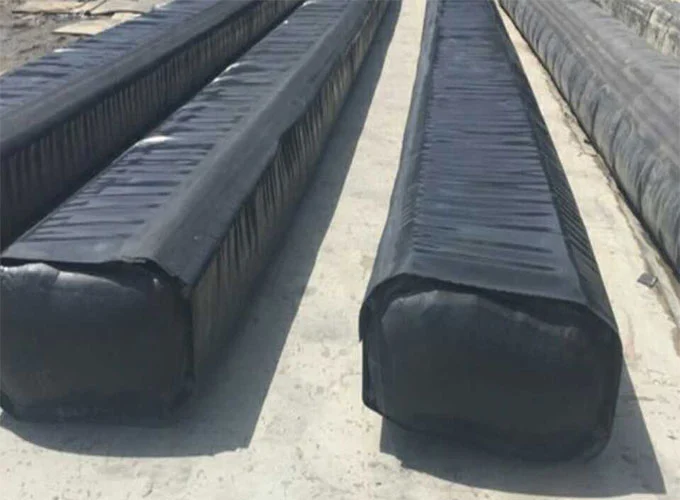
A technology application focusing on environmental protection is garnering widespread attention in the field of shipbuilding and repair. Traditional methods for ship transfer, launching, or haul-out often require demanding site conditions and can potentially impact the environment. In recent years, a marine airbag technology made from polymer composite materials has provided an innovative solution to this challenge.
The technical principle involves using cylindrical airbags made of high-strength, high-toughness composite rubber. Through inflation and expansion, these airbags generate immense lifting force and rolling friction, enabling the movement, launching, or haul-out of heavy ships. Compared to some traditional methods, its core advantage lies in significantly reducing dependence on dedicated slipways or rails. During operation, with only basic site preparation, vessels weighing thousands or even tens of thousands of tons can be moved smoothly by alternately inflating, deflating, and rolling multiple airbags.
More importantly, this operational method markedly reduces the need for permanent modification of coastlines, tidal flats, and concrete structures, lessening potential disturbance to the aquatic ecosystem. The entire process carries no risk of oil leakage and generates minimal noise pollution, embodying the idea of green ship repair and eco-friendly shipbuilding. Currently, this technology has been successfully applied in numerous small and medium-sized shipyards worldwide, as well as in emergency salvage and specific ship relocation scenarios, establishing itself as an economical, flexible, and environmentally friendly solution for vessel movement.
We use cookies to offer you a better browsing experience, analyze site traffic and personalize content. By using this site, you agree to our use of cookies.Privacy Policy