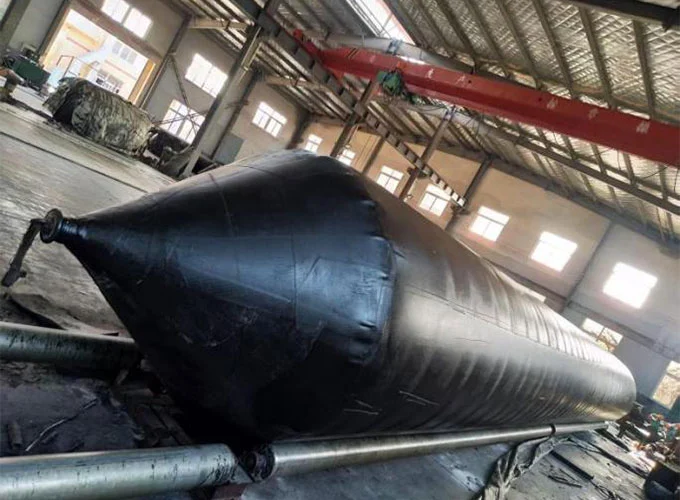
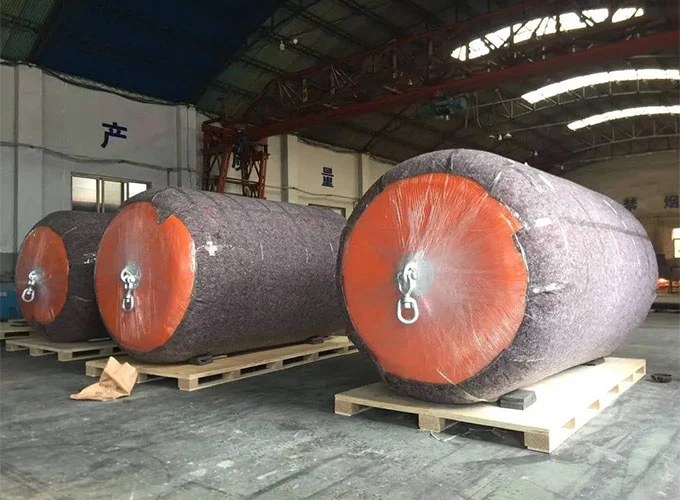
Aorunda, a professional manufacturer with nearly 30 years of experience in China's marine rubber products industry, offers its Marine Airbags series products widely used in ship launching and berthing projects, port operations, offshore platforms, and military and civilian vessel projects. We have long served large domestic and international shipyards, port groups, and marine engineering units.
We manufacture strictly according to marine industry and national standards such as CB/T3795, CB/T3837, and GB/T21482, and our products are certified by multiple international classification societies including CCS, LR, DNV, and ABS, ensuring product stability and safety.
What are Marine Airbags?
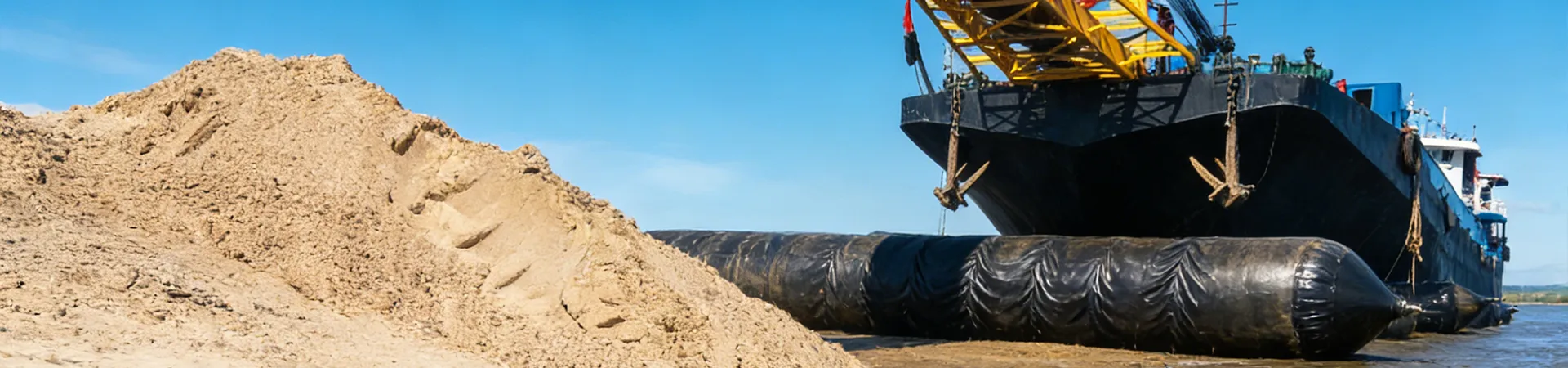
Marine airbags are inflatable rubber devices specifically designed for launching, launching, shifting, lifting, and heavy transport of ships. When a ship is launched, the airbags smoothly roll the hull from the slipway into the water, reducing impact on the dock and the ship itself.
During launching and shifting, the use of airbags allows for ship movement and repositioning without the need for large cranes. Marine airbags also play a significant role in special situations such as offshore engineering and emergency rescue.
Structural Composition
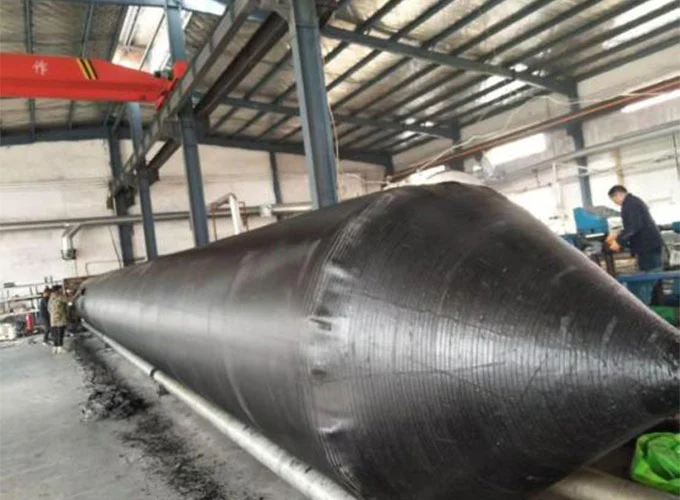
As a professional manufacturer, Aorunda's Marine Airbags are not ordinary inflatable bags, but composite rubber engineering products designed for high loads, reusability, and extreme conditions. Their structure typically consists of the following parts:
1. Outer Rubber Protective Layer
We insist on using high-quality natural rubber as the main material, offering outstanding wear resistance, aging resistance, and seawater corrosion resistance. When the product comes into contact with rolling ship hulls, ground friction, and seawater environments, it protects the internal structure from damage. This layer is crucial to the airbag's lifespan under harsh conditions.
2. Multi-Layer High-Strength Load-Bearing Layer
This is the core load-bearing structure of the airbag, composed of multiple layers of high-strength nylon cord fabric. The cords are arranged at a specific angle to withstand axial and radial loads, thus preventing the airbag from expanding, deforming, or bursting under high pressure.
The number of load-bearing layers, the specifications of the cord fabric, and the arrangement of the cords are directly related to the airbag's load-bearing capacity and safety factor.
3. Inner Airtight Rubber Layer
This layer possesses extremely high airtightness. During long-term use, this layer ensures the airbag remains leak-proof, maintaining stable internal pressure and supporting repeated inflation and deflation without fatigue cracking.
4. Air Nozzle and Sealing System
We use thickened steel or high-strength alloy air nozzles, integrally vulcanized with the rubber body. This provides excellent sealing and impact resistance, ensuring safe and controllable inflation and deflation even under high internal pressure conditions.
What Types of Vessels Can Marine Airbags Be Used On?
Marine airbags are suitable for steel vessels, aluminum alloy vessels, and some composite material vessels. They are commonly used for launching, unloading, and relocation operations on fishing boats, workboats, barges, engineering vessels, and small to medium-sized merchant ships.
Specific applicability requires selection calculations based on vessel weight, hull structure, draft, and operating environment. Aorunda can provide you with comprehensive solutions; please contact us based on your specific needs.
Maintenance and Storage
Proper maintenance and storage are crucial for ensuring the safety, lifespan, and long-term performance stability of marine airbags. High-quality marine airbags are not disposable.
Daily Maintenance Points
1. Post-Operation Cleaning
After use, promptly remove seawater, silt, oil, and impurities from the airbag surface. Especially after operations in seawater environments, rinse with clean water to prevent long-term salt adhesion and rubber aging.
2. Appearance and Structural Inspection
After each use, a quick inspection is recommended, focusing on the following:
Are there any obvious scratches, cracks, or bulges?
Are there any abnormal wears on the outer rubber layer?
Are the valves and seals loose or leaking?
If any obvious problems are found, stop using the airbag immediately and address them to prevent safety accidents.
3. Inflation and Deflating Procedures
Inflate within the working pressure range. Deflate slowly and in stages to avoid rapid depressurization that could cause abnormal structural stress and reduce fatigue of the fabric layer.
How to Store Marine Airbags Long-Term?
1. Storage Environment Requirements
Marine Airbags should be stored in a cool, dry, and well-ventilated warehouse, avoiding direct sunlight and high temperatures. Keep them away from heat sources, chemicals, and corrosive gases. Rubber materials are highly sensitive to ultraviolet light and high temperatures; this is the primary principle of storage.
2. Storage Posture and Method
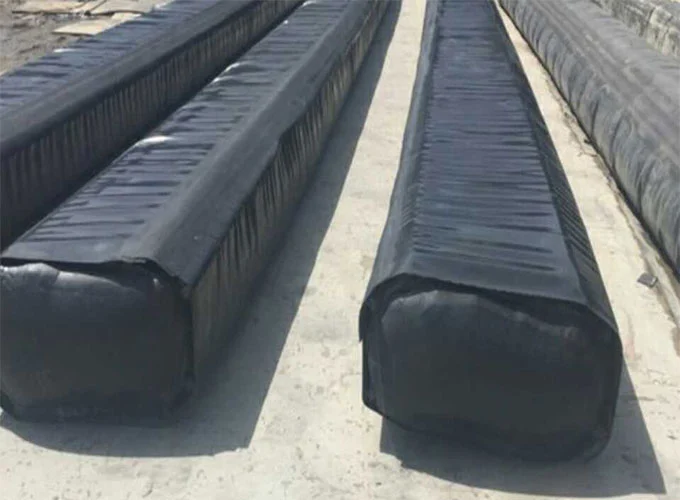
When storing, we recommend allowing the airbags to deflate naturally and then laying them flat or loosely rolled up. Long-term folding, compression by heavy objects, or hanging storage are incorrect and may damage the internal structure before the next use.
3. Ground and Protection
The storage area should be flat and free of sharp objects. We recommend placing wooden boards, rubber mats, or protective cloths under the airbags to prevent direct contact with metal edges.