Follow Us:

News

What Makes Pipe Airbag an Essential Solution for Pipeline Repair and Maintenance?

2026-07-13 0 Leave me a message

Pipe airbag technology has become an important solution for modern pipeline maintenance, repair, testing, and construction projects. By providing reliable temporary sealing, water blocking, and pressure control capabilities, pipe airbags help engineers reduce downtime, improve safety, and complete pipeline operations more efficiently. This article explains how pipe airbags work, their major applications, advantages, selection criteria, and why they are increasingly used in municipal, industrial, and engineering projects.

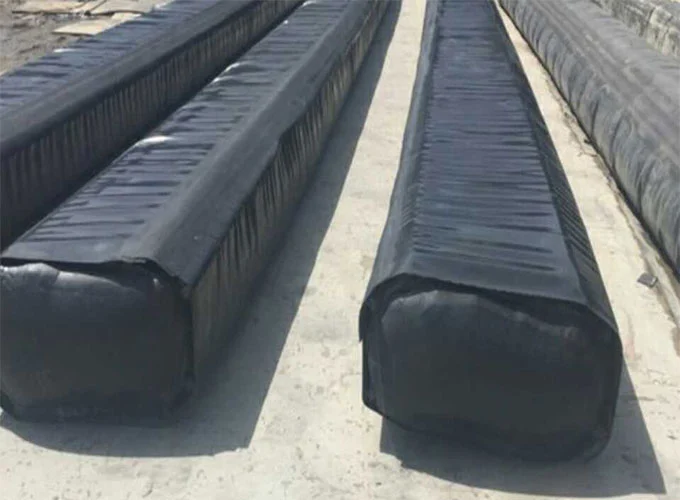
Pipe airbag


What Is a Pipe Airbag?

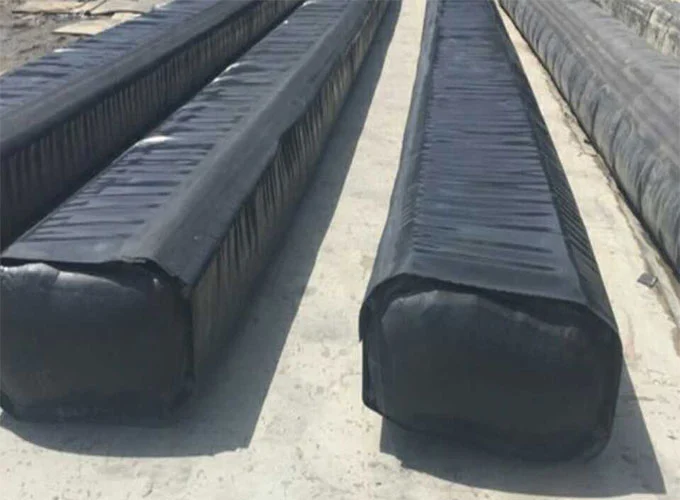
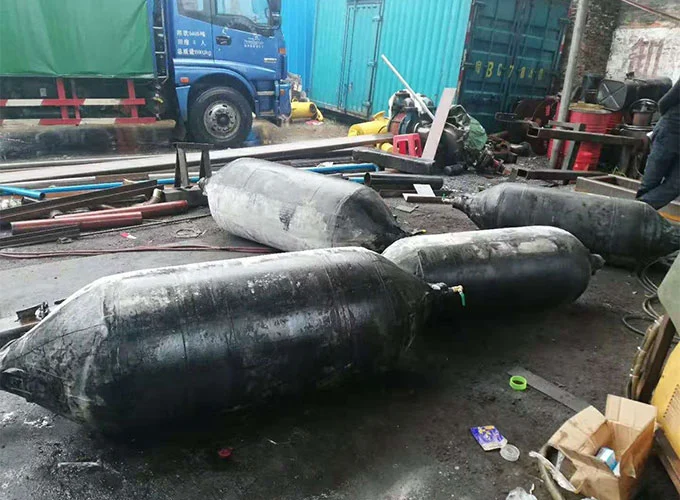
A pipe airbag is a flexible inflatable device designed to temporarily block, seal, or control the flow inside pipelines. It is commonly manufactured using high-strength rubber materials combined with reinforced fabric layers, allowing it to withstand pressure, friction, and demanding working environments.

Unlike traditional mechanical plugs or rigid blocking equipment, a pipe airbag can expand according to the internal diameter of the pipeline. This flexible structure allows it to achieve a tight seal while minimizing damage to the pipe wall. Because of its lightweight design and convenient operation, pipe airbag systems are widely used in drainage systems, sewage pipelines, water supply networks, industrial pipelines, and construction projects.

During pipeline repair or inspection work, controlling water flow is one of the biggest challenges. Unexpected water movement can affect repair quality, increase safety risks, and extend project schedules. A pipe airbag provides an effective temporary solution by creating a controlled working environment inside the pipeline.

Feature Description
Flexible Structure Expands inside pipelines to create a secure seal without damaging surfaces.
High Strength Material Uses reinforced rubber layers for durability and pressure resistance.
Easy Installation Can be transported and installed more easily than many traditional blocking methods.
Reusable Design Many models can be used multiple times with proper maintenance.
Wide Compatibility Suitable for different pipe sizes and working environments.

How Does a Pipe Airbag Work?

The working principle of a pipe airbag is based on controlled inflation and pressure balance. Before operation, the deflated airbag is inserted into the target pipeline section. Once positioned correctly, compressed air is injected into the airbag through an inflation valve.

As the air pressure increases, the rubber body expands and presses against the inner wall of the pipe. This creates a temporary barrier that prevents water, gas, or other materials from passing through the blocked section.

A complete pipe airbag operation usually includes several important steps:

  • Positioning: The airbag is placed at the required pipeline location.
  • Inflation: Air pressure is gradually increased until the required sealing force is achieved.
  • Inspection: Workers confirm that the pipeline section is properly isolated.
  • Repair or Testing: Maintenance work, pressure testing, or inspection can be performed safely.
  • Deflation and Removal: After completion, the airbag is released and removed for future use.

The efficiency of a pipe airbag depends on several factors, including material quality, pipeline diameter, operating pressure, and installation accuracy. Selecting a professional-grade product is essential to ensure stable performance during critical operations.

Main Applications of Pipe Airbags

Pipe airbags are widely used across multiple industries because they provide a practical method for temporary pipeline isolation. Their flexibility makes them suitable for both emergency situations and planned maintenance projects.

Application Field How Pipe Airbags Help
Municipal Drainage Systems Blocks wastewater flow during pipeline repair, cleaning, and inspection.
Sewer Maintenance Creates a dry working area for technicians and improves safety.
Water Supply Pipelines Supports temporary isolation during maintenance operations.
Industrial Pipeline Testing Helps perform pressure tests and leakage inspections.
Construction Projects Controls pipeline sections during installation and modification.

In urban infrastructure projects, pipe airbags are especially valuable because they reduce the need for large-scale excavation. Instead of replacing entire pipeline sections, maintenance teams can isolate specific areas and complete targeted repairs, saving both time and cost.

Why Are Pipe Airbags Important for Pipeline Projects?

Pipeline systems are essential components of modern cities and industrial facilities. However, aging infrastructure, leakage problems, and regular maintenance requirements create continuous challenges. Pipe airbags provide an efficient solution by improving operational control and reducing project complexity.

  • Improved Safety: Pipe airbags help prevent uncontrolled water flow and create safer working conditions for maintenance personnel.
  • Reduced Downtime: Quick installation allows repair teams to complete tasks faster and restore pipeline operation sooner.
  • Lower Maintenance Costs: Temporary isolation avoids unnecessary pipeline replacement and reduces labor expenses.
  • Environmental Protection: Effective flow control helps prevent wastewater leakage and contamination during repair work.
  • Flexible Application: Different sizes and designs can meet various pipeline requirements.

For engineering companies, choosing reliable pipe airbag equipment is not only about completing a single project. It also affects long-term maintenance efficiency, operational safety, and overall project quality.

Different Types of Pipe Airbags

With the continuous development of pipeline engineering technology, pipe airbags have evolved into different designs to meet various working requirements. Choosing the correct type is essential because different pipeline conditions require different levels of pressure resistance, flexibility, and sealing performance.

Pipe Airbag Type Main Features Typical Applications
Pipeline Blocking Airbag Designed for temporary sealing and stopping fluid flow inside pipelines. Sewer maintenance, drainage repair, and emergency pipeline isolation.
High Pressure Pipe Airbag Uses reinforced rubber layers to handle higher working pressure. Industrial pipelines and pressure testing projects.
Water Blocking Airbag Provides reliable water flow control with strong sealing capability. Municipal water systems and underground pipeline projects.
Pipeline Testing Airbag Designed for leakage inspection and pipeline performance testing. Construction inspection and quality control processes.
Multi-Size Pipe Airbag Flexible expansion range for different pipeline diameters. Projects involving multiple pipe specifications.

Although these products have different designs, they share the same goal: providing a safe, efficient, and economical method for pipeline control. Professional manufacturers usually customize pipe airbags according to diameter, pressure requirements, working environment, and customer application needs.

How to Choose the Right Pipe Airbag?

Selecting the right pipe airbag is a critical step for ensuring successful pipeline operations. An unsuitable product may lead to insufficient sealing, reduced service life, or unexpected safety risks. Before purchasing, engineers should carefully evaluate several important factors.

Key Factors to Consider

Selection Factor Why It Matters
Pipeline Diameter The airbag size must match the internal diameter of the pipeline to achieve effective sealing.
Working Pressure The product should withstand the required pressure without deformation or damage.
Material Quality High-quality rubber and reinforced layers improve durability and reliability.
Operating Environment Temperature, chemicals, moisture, and external conditions influence product performance.
Frequency of Use Reusable models are recommended for companies requiring repeated operations.

A professional supplier can help customers select the most suitable solution based on actual project conditions. This reduces purchasing risks and ensures that the pipe airbag performs effectively during critical maintenance operations.

Practical Selection Checklist:
  • Confirm the pipeline diameter and length requirements.
  • Identify whether the application involves water, sewage, gas, or industrial fluids.
  • Check the required blocking pressure level.
  • Evaluate the required frequency of usage.
  • Choose products with reliable material quality and manufacturing standards.

What Problems Can Pipe Airbags Help Solve?

Pipeline maintenance teams often face several common challenges, including unexpected water flow, difficult working conditions, expensive excavation, and long repair periods. Pipe airbags are developed specifically to solve these problems.

Common Challenge Traditional Problem Pipe Airbag Solution
Continuous Water Flow Makes repair work difficult and unsafe. Creates temporary isolation and controls flow effectively.
Limited Working Space Large equipment may not enter underground areas. Compact and flexible design allows easier installation.
High Repair Costs Large-scale replacement requires more labor and resources. Allows targeted maintenance without unnecessary replacement.
Emergency Pipeline Issues Slow response can increase damage. Provides a fast temporary blocking solution.

For cities and industrial facilities, these advantages make pipe airbags a valuable tool for improving maintenance efficiency while reducing operational disruption.

Maintenance Tips for Longer Service Life

Although pipe airbags are manufactured for demanding environments, proper maintenance is necessary to maximize their lifespan and maintain reliable performance. Regular inspection can prevent unexpected failures during important projects.

  • Clean After Each Use: Remove dirt, chemicals, and other residues from the rubber surface before storage.
  • Check for Damage: Inspect the airbag body, valves, and connection points for cracks or wear.
  • Store Properly: Keep the product in a dry environment away from direct sunlight and extreme temperatures.
  • Avoid Sharp Objects: Prevent contact with sharp edges that may damage the reinforced rubber structure.
  • Perform Regular Testing: Periodically check inflation performance and pressure retention capability.

A well-maintained pipe airbag can provide stable service for many projects, helping companies reduce replacement costs and improve operational efficiency.

Why Choose a Professional Pipe Airbag Manufacturer?

The quality of a pipe airbag directly influences safety and project efficiency. Professional manufacturers focus on material selection, production technology, quality inspection, and customized solutions to meet different customer requirements.

Qingdao Aorunda Rubber Industry Co., Ltd. specializes in the development and manufacturing of high-quality rubber products, including reliable pipe airbags designed for pipeline maintenance, construction, and industrial applications. With advanced production technology and strict quality management, the company provides durable solutions that help customers improve pipeline operation efficiency.

By combining strong rubber materials, advanced manufacturing processes, and practical engineering experience, Qingdao Aorunda Rubber Industry Co., Ltd. supports customers worldwide with dependable pipeline sealing solutions.

Advantages of Professional Manufacturing:
  • High-quality rubber materials for improved durability
  • Customized solutions based on different pipeline requirements
  • Stable performance under demanding working conditions
  • Professional technical support for application guidance
  • Reliable production capacity for large-volume requirements

Frequently Asked Questions About Pipe Airbags

1. What is the main purpose of a pipe airbag?

A pipe airbag is mainly used to temporarily block or isolate pipelines during repair, maintenance, testing, and construction work. It helps control fluid flow and creates a safer working environment.

2. How long can a pipe airbag be used?

The service life depends on factors such as material quality, operating pressure, working conditions, and maintenance practices. Proper storage and regular inspection can significantly extend its usable life.

3. Can pipe airbags be customized for different pipeline sizes?

Yes. Professional manufacturers can produce pipe airbags according to different pipeline diameters, pressure requirements, and application environments.

4. Why is rubber quality important for pipe airbags?

Rubber quality determines flexibility, pressure resistance, wear resistance, and overall durability. High-performance rubber materials help ensure safe and stable operation in demanding conditions.

Conclusion

Pipe airbag technology provides an efficient and practical approach for modern pipeline maintenance and repair. From municipal drainage systems to industrial pipeline projects, these flexible sealing solutions help reduce downtime, improve safety, and lower maintenance costs.

Choosing the right pipe airbag requires careful consideration of pipeline size, working pressure, material quality, and application requirements. Working with an experienced manufacturer ensures better product reliability and long-term performance.

Qingdao Aorunda Rubber Industry Co., Ltd. is committed to providing professional rubber solutions and high-quality pipe airbags for customers around the world. Whether you need standard products or customized pipeline sealing solutions, please contact us for professional support and reliable service.

Related News
Leave me a message
X
We use cookies to offer you a better browsing experience, analyze site traffic and personalize content. By using this site, you agree to our use of cookies.Privacy Policy
RejectAccept