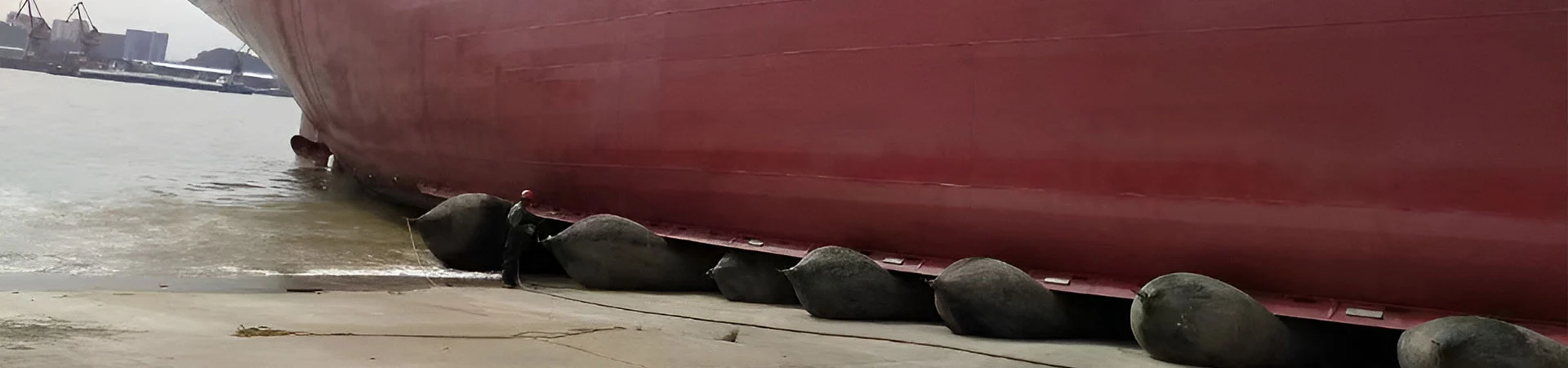
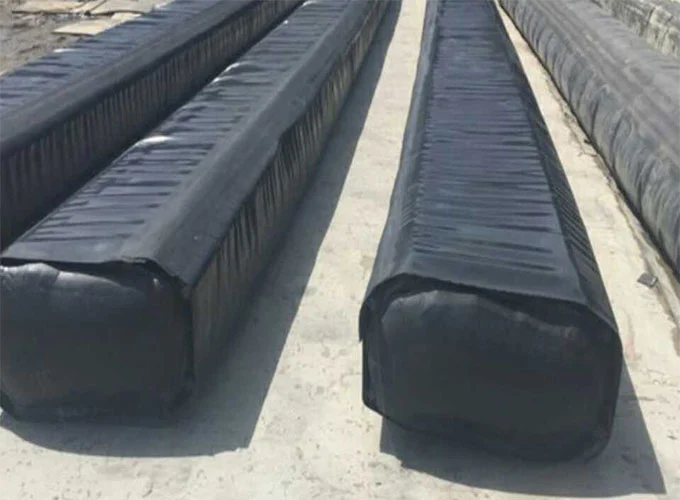
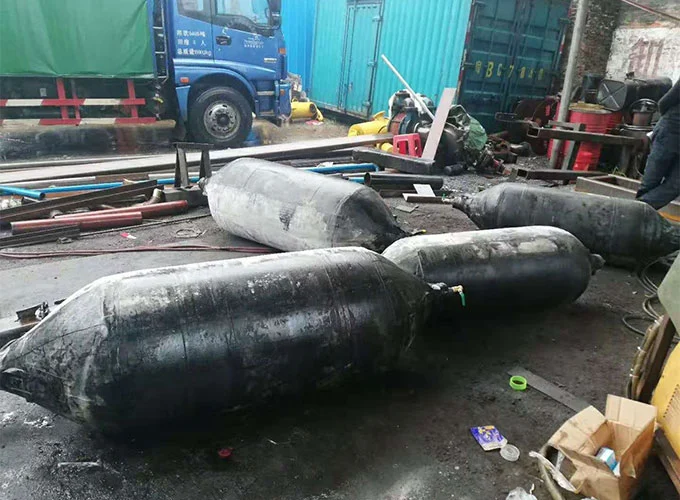
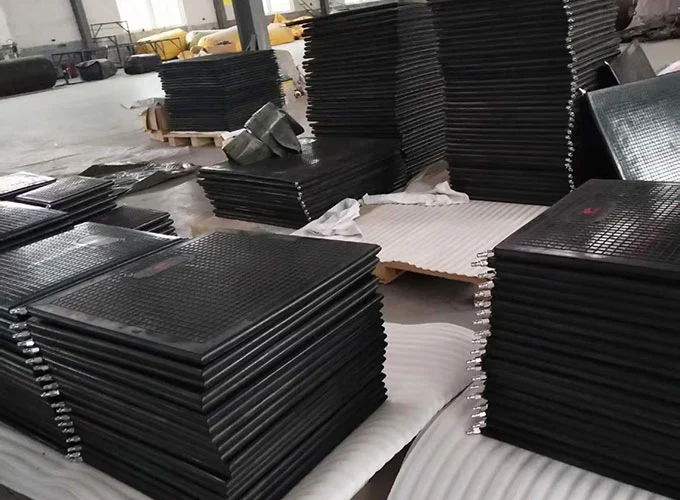
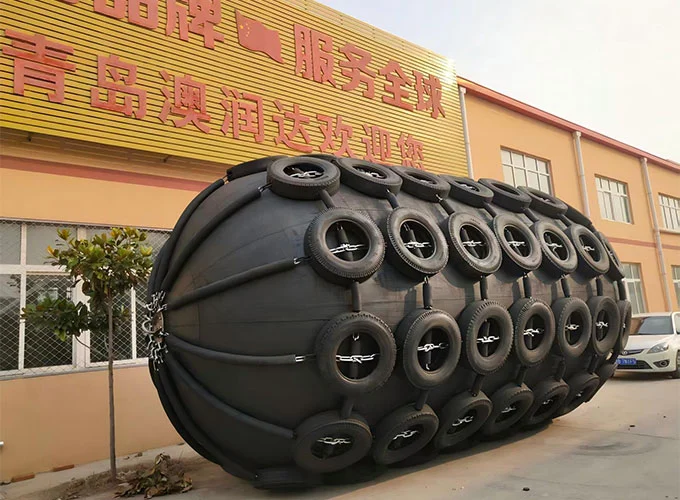
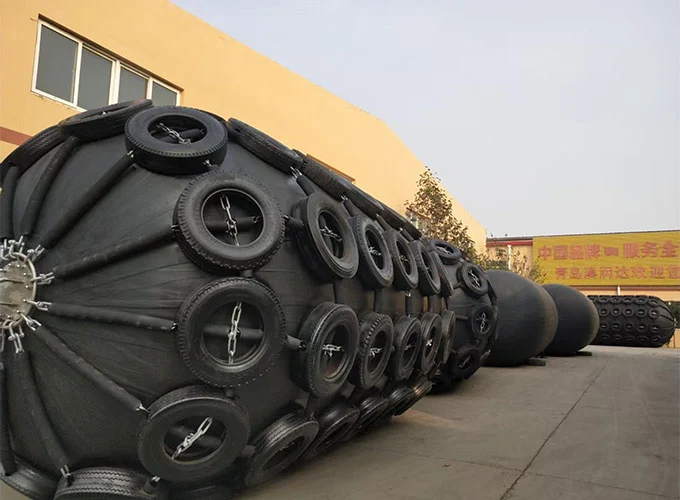
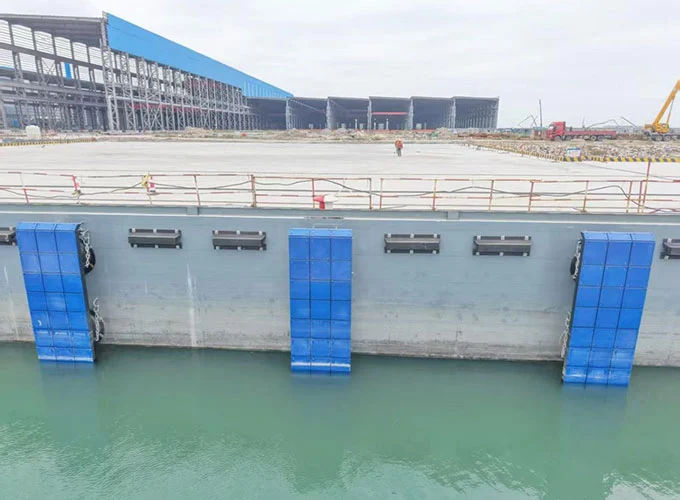
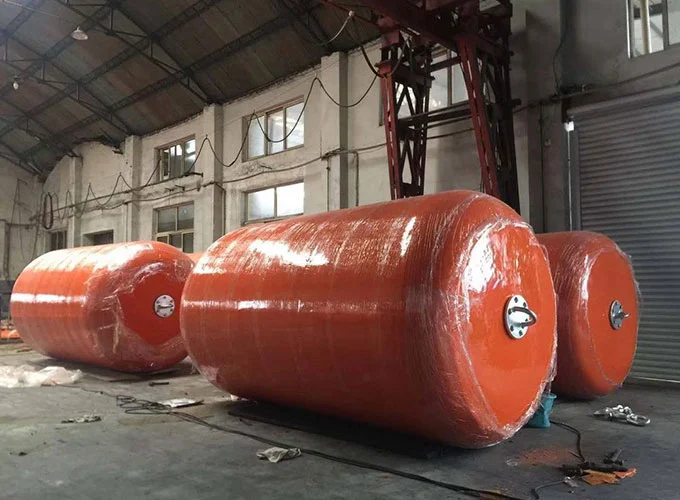
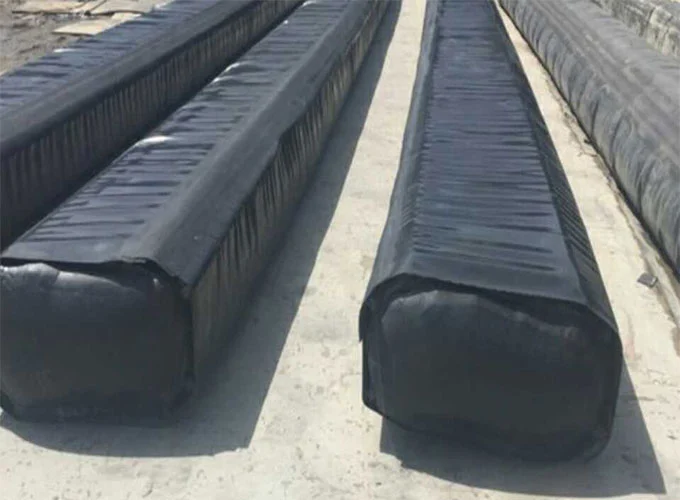
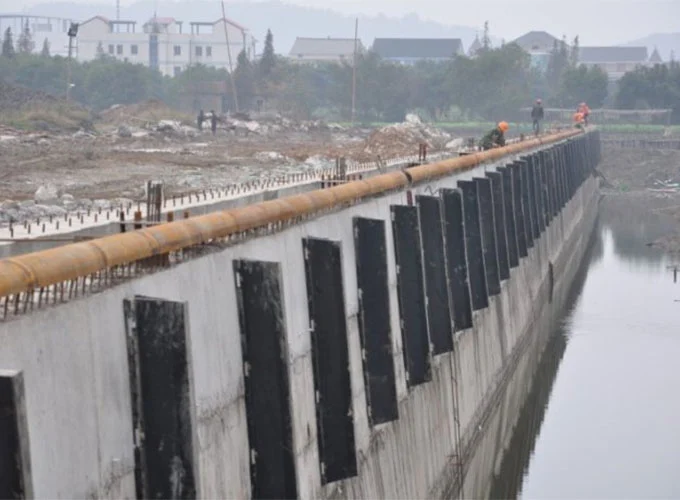
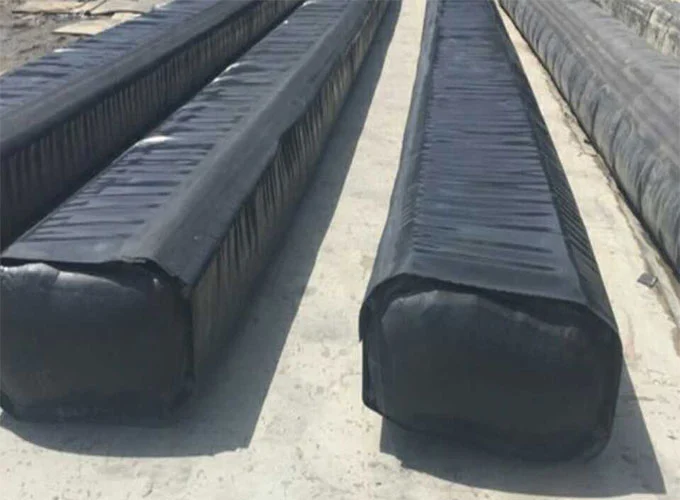
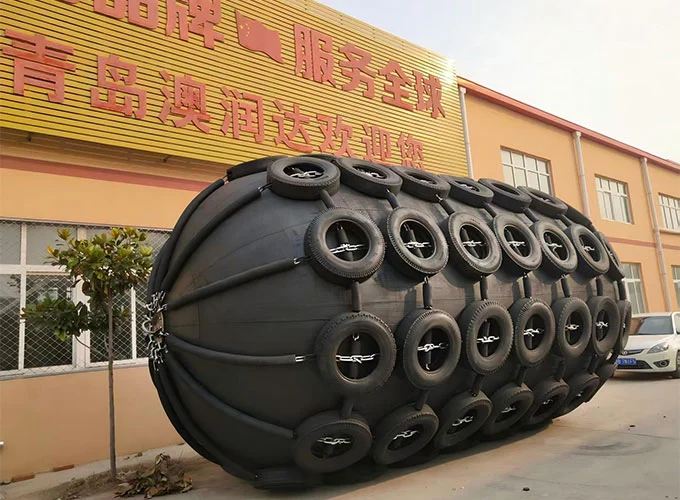
Building airbags are advanced safety cushioning systems designed to reduce damage, protect structures, and enhance safety during construction, demolition, and high-risk engineering operations. This article explores their working principles, material composition, installation methods, advantages, limitations, and real-world applications. It also provides practical guidance for buyers, engineers, and project managers who want to improve safety efficiency and reduce operational risks in modern construction environments.
Building airbags are specialized inflatable safety devices used in construction, demolition, and structural engineering environments. Unlike automotive airbags designed for human protection, building airbags are engineered to absorb heavy impacts, stabilize falling debris, and protect both workers and surrounding infrastructure.
In modern construction projects, risks such as uncontrolled collapse, material fall, vibration damage, and structural instability are common. Building airbags are designed to act as a controlled cushioning layer, reducing impact forces and improving safety outcomes.
These systems are especially valuable in high-density urban environments, where a single structural failure can cause cascading damage to nearby buildings, roads, and underground utilities.
Construction environments have become more complex, with taller structures, tighter spaces, and stricter safety regulations. In this context, building airbags are not just optional tools—they are essential risk mitigation systems.
Their importance can be summarized in several key areas:
In large-scale engineering projects, even a small reduction in impact force can translate into major financial and safety improvements.
Building airbags function based on controlled air compression and energy absorption. When a heavy object falls onto the airbag surface, the internal air chambers compress gradually, dissipating kinetic energy over a larger time frame and surface area.
The core principle involves:
This process reduces peak impact force, which is the primary cause of structural damage.
In simplified terms, instead of a sudden stop, building airbags create a "soft landing zone" that spreads force over time and space.
The effectiveness of building airbags depends heavily on material selection and engineering design. These systems must withstand extreme pressure, abrasion, and environmental exposure.
| Component | Material Type | Function |
|---|---|---|
| Outer Layer | High-strength PVC / TPU-coated fabric | Provides durability and puncture resistance |
| Internal Bladders | Multi-layer rubber composites | Controls air pressure and impact absorption |
| Reinforcement Mesh | Nylon or polyester fiber | Enhances structural stability |
| Valves and Ports | Industrial-grade alloy or reinforced polymer | Controls inflation and deflation |
High-performance industrial rubber technology plays a key role in ensuring that airbags maintain structural integrity even under repeated stress cycles.
There are several types of building airbags designed for different construction scenarios:
Each type is selected based on project scale, risk level, and environmental conditions.
Building airbags are used across a wide range of industries beyond traditional construction:
In each case, airbags act as a temporary but critical safety barrier.
Proper installation is essential for achieving optimal performance. The deployment process typically includes:
Engineers must ensure that pressure distribution is uniform to avoid weak points during impact.
Building airbags provide multiple performance advantages that make them essential in modern engineering projects:
Compared to rigid protective systems, airbags offer dynamic flexibility and improved safety performance under unpredictable conditions.
Despite their advantages, building airbags also have limitations that must be considered:
To mitigate these risks, regular inspection and maintenance protocols are essential.
| Feature | Building Airbags | Traditional Barriers |
|---|---|---|
| Impact Absorption | High | Medium to Low |
| Flexibility | Very High | Low |
| Installation Speed | Fast | Moderate |
| Reusability | Yes | Limited |
This comparison highlights why modern engineering increasingly prefers inflatable protection systems over rigid barriers.
Proper maintenance is essential for ensuring long-term performance. Recommended practices include:
With proper care, high-quality building airbags can last several years even under frequent use conditions.
The future of building airbags is closely tied to advancements in smart materials and automated safety systems. Emerging trends include:
These innovations are expected to significantly improve both safety and efficiency in construction environments.
Q1: Are building airbags reusable?
Yes, most industrial-grade building airbags are designed for multiple use cycles if properly maintained.
Q2: How much weight can a building airbag support?
It depends on design and material, but heavy-duty models can absorb several tons of impact force.
Q3: Are they suitable for all construction sites?
They are most effective in high-risk demolition and urban construction environments.
Q4: Do building airbags require electricity?
Only for inflation systems or monitoring sensors; passive models do not require continuous power.
Building airbags represent a major advancement in construction safety technology. By combining flexible engineering design with high-performance materials, they provide a reliable solution for controlling impact forces in complex environments.
As urban construction becomes more dense and technically demanding, the need for adaptive safety systems will continue to grow. Building airbags are expected to play an increasingly central role in protecting both human life and structural assets.
Companies like Qingdao Aorunda Rubber Industry Co., Ltd. contribute to this industry through advanced rubber manufacturing capabilities and customized industrial safety solutions tailored to global construction needs.
Interested in improving your construction safety system?
Contact us today at Qingdao Aorunda Rubber Industry Co., Ltd. to explore high-performance building airbags designed for durability, safety, and real-world engineering demands. Our team is ready to provide customized solutions for your project requirements.
-
Phone: +86-532-87511707
Mobile: +86-13697683983
E-mail: anny@ardfenders.com
Address:No. 60, Kongquehe Fourth Road, Clothing Industrial Park, Jimo District, Qingdao City, Shandong Province, China
Copyright © 2026 Qingdao Aorunda Rubber Industry Co., Ltd. All rights reserved.