Follow Us:

Products
Rubber Inflatable Core Mold
  • Rubber Inflatable Core MoldRubber Inflatable Core Mold
  • Rubber Inflatable Core MoldRubber Inflatable Core Mold
  • Rubber Inflatable Core MoldRubber Inflatable Core Mold
  • Rubber Inflatable Core MoldRubber Inflatable Core Mold
  • Rubber Inflatable Core MoldRubber Inflatable Core Mold
  • Rubber Inflatable Core MoldRubber Inflatable Core Mold

Rubber Inflatable Core Mold

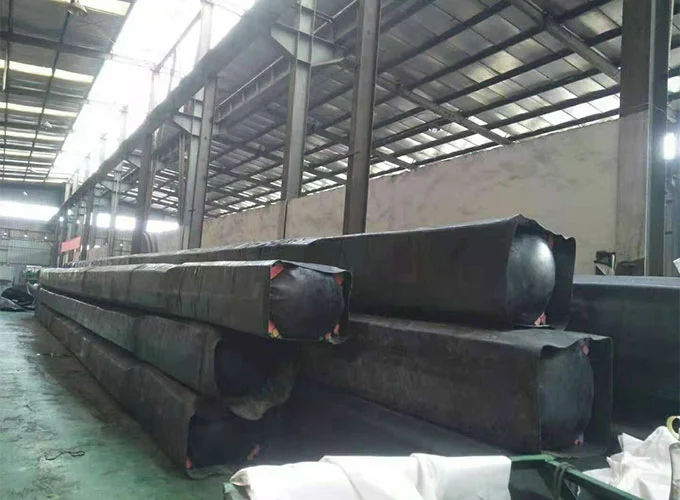
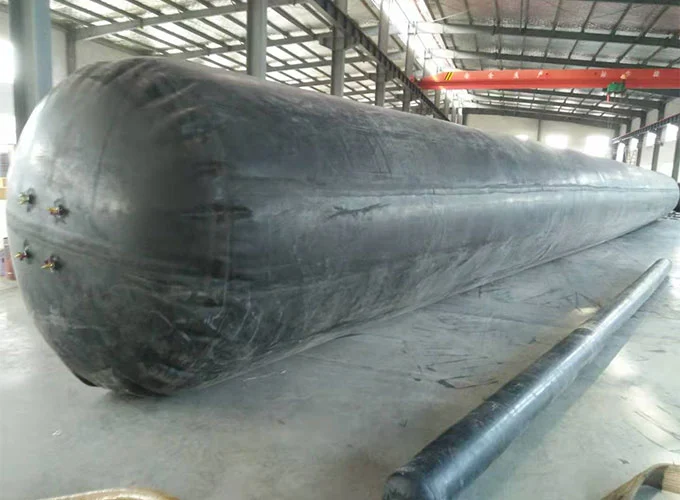
Qingdao Aorunda Rubber Industry Co., Ltd. specializes in the production of rubber inflatable core molds, pipeline leak sealing airbags and other rubber products. With mature production processes and stable product quality, we provide customers with full process technical support and after-sales guarantee. These core molds are our core main products, widely used in various bridge engineering construction fields.

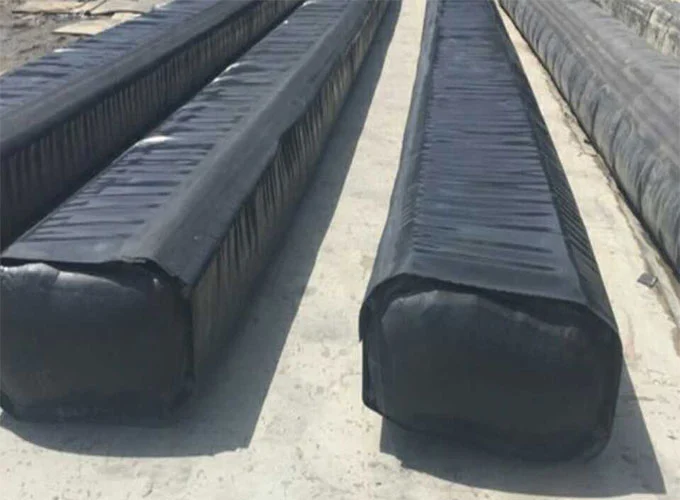
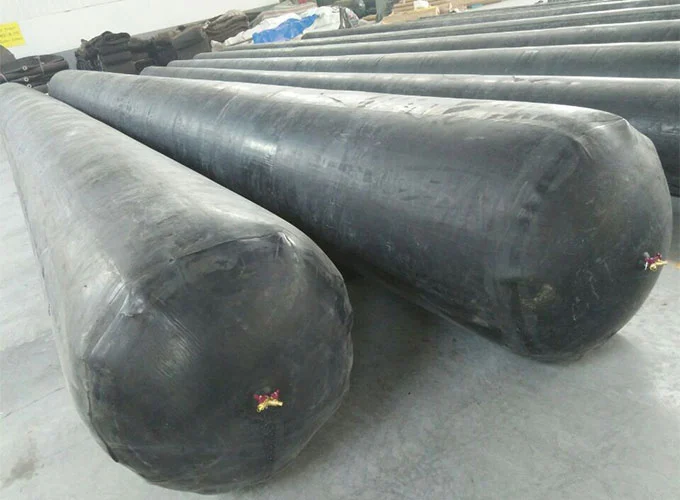
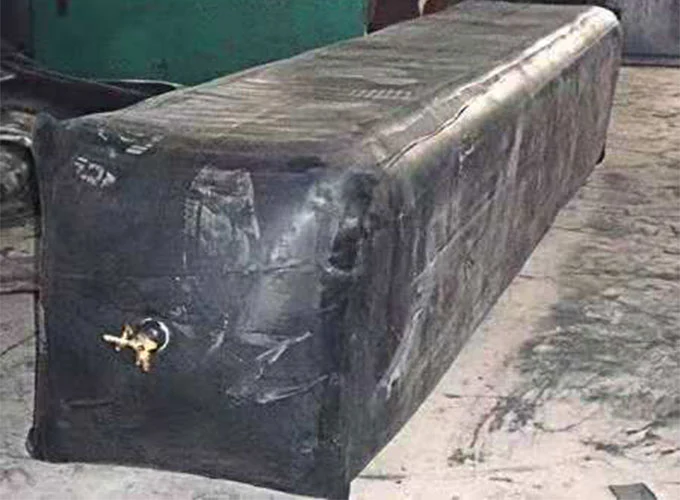
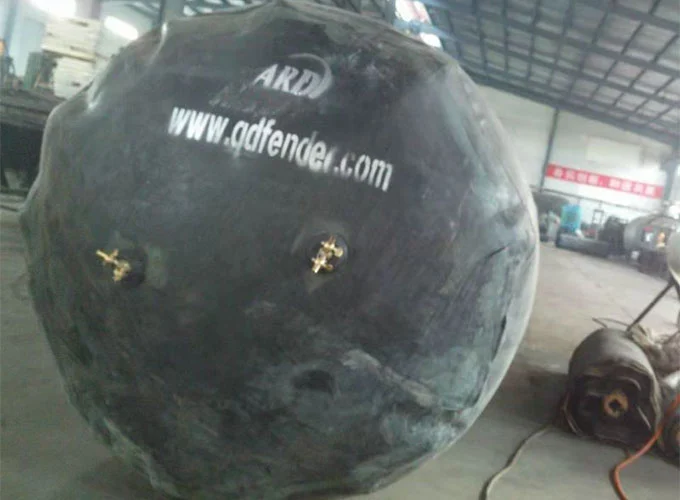
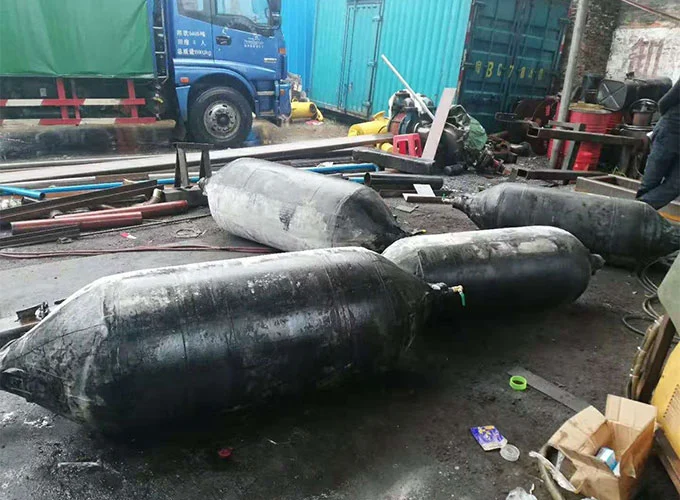
Rubber inflatable core mold is a processed product of polymer synthetic materials, which uses high-strength synthetic fiber fabric as the pressure resistant skeleton, and is coated with synthetic rubber as the bonding protective layer tape inside and outside. It is made by high-temperature vulcanization process according to the design size, and is a pressure resistant rubber core mold with multiple specifications, sizes, and shapes.

In bridge construction, the core mold can be inflated to the pressure resistance standard according to different bridge sizes before cement pouring. After the cement grade is initially set, the gas inside the core mold can be discharged, and it can be pulled out and stored for reuse. These core molds can replace traditional steel molds, wooden molds, bamboo molds and other molds, and can be reused multiple times. It is a high-quality concrete product supporting product that reduces bridge construction costs and improves engineering construction speed. It is suitable for bridge engineering construction of different spans, shapes and specifications.

Rubber Inflatable Core Mold

Physical and mechanical properties

The quality of the rubber inflatable core mold is guaranteed by strict physical and mechanical performance indicators. The core inner film uses adhesive tape that meets the following standards, and the thickness can also be customized according to the actual needs of customers.

Item Specification
Thickness tolerance (mm) 3±0.2
Appearance Smooth surface, no exposed fabric
Adhesion strength between rubber and fabric (N/25mm) ≥8
Operating temperature (°C) -10 to +80

Performance characteristics

1. Scientific and reasonable design

The finished components prefabricated or cast on site using rubber inflatable core molds can meet the engineering design requirements, and the operation is simple, greatly saving labor, time, and raw material costs, and improving construction efficiency.

2. Good aging resistance and long service life

The product is made of synthetic rubber, natural rubber, and reinforced layer through vulcanization, which has excellent tensile strength, elasticity, and flexibility, and can adapt to various construction working conditions. It has good aging resistance and can be used repeatedly for a long time.

3. Wide temperature range and strong environmental adaptability

Within the temperature range of -15 ° C to 80 ° C, the material does not show significant changes and can be stably used in construction sites with different climatic environments, without being limited by regional temperature.

4. Reduce component weight and assist in lightweight construction on site

Pre stressed hollow concrete components made of rubber inflatable core molds are 20% lighter in weight than non prestressed solid components, effectively reducing the weight of the upper structure of buildings, shortening pile foundations, increasing spans, and creating favorable conditions for lightweight construction on construction sites, making construction simpler and safer.

5. Easy to construct process, safe to use

The use only requires a small number of simple tools and does not require special construction techniques. The core molds are placed in steel cages, inflated to working pressure, and then concrete can be poured; After the initial setting of the concrete, release the air and extract the core mold to complete the molding of the finished components. The construction process is free of on-site pollution, safe and hygienic.

Rubber Inflatable Core Mold

Common specifications

Common Specifications Common Specifications Common Alien
Conventional (Integrated)
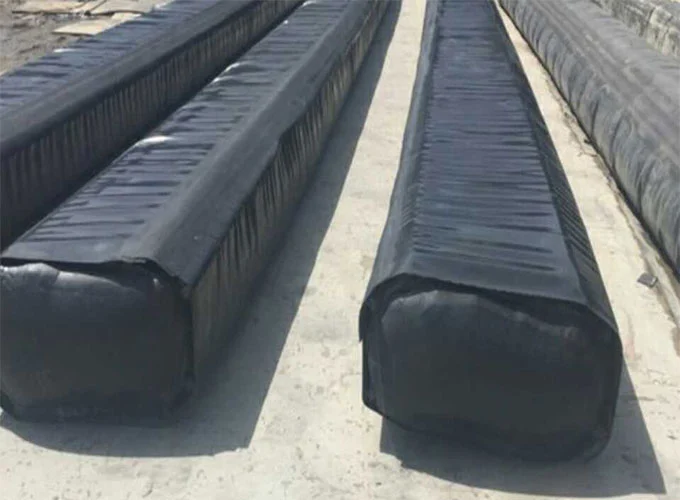
D180mmx6~20m D400mmx10~40m 350x530(540)mmx10~40m
D200(D220)mmx10~20m D500mmx10~40m 320x520(540)mmx10~40m
D240(D250)mmx15~40m D600mmx10~40m 350(360)x560mmx10~40m
D300(D330)mmx15~40m D620mmx10~40m 360x640(650)mmx10~40m
D350(D360)mmx10~40m D700mmx10~40m 350x520(550)mmx10~40m
Customization supported Customization supported Customization supported

Rubber inflatable core mold uses air pressure standards

The inflation pressure of the rubber inflatable core mold needs to be strictly controlled according to the product diameter. The standard inflation pressure corresponding to different diameters is as follows. Overpressure inflation is strictly prohibited during construction to avoid damaging the product.

Diameter(mm) Inflation Pressure(Mpa)
80 0.12
120 0.10
150 0.08
200 0.07
250 0.05
400 0.04
500 0.035
600 0.03
700 0.027
800 0.026
900 0.025
2200 0.005

Standard usage method

I. Molding Preparation

Before installation, carefully inspect the rubber inflatable core mold to ensure there are no punctures, cracks, air leaks, or visible damage.

Clean the mold surface and remove any debris or sharp objects. Verify that the mold dimensions match the project requirements.

Ensure the mold is placed centrally and securely before inflation to prevent displacement during concrete pouring.

II. Inflate

1. Open the valve and start inflating. During the inflation process, a pressure gauge should be used to monitor the air pressure in real time to avoid overpressure;

2. When the air pressure reaches the above usage pressure standard, immediately close the intake valve;

3. The irregular rubber inflatable core mold needs to be inflated alternately until the specified pressure is reached;

4. Pay attention to controlling the inflation rhythm throughout the process and strictly prohibit overpressure inflation.

III. Fixing and pouring concrete

After inflation, secure the core mold firmly in position.

Use positioning bars, supports, or fastening devices as required. Recheck alignment before pouring.

Pour concrete evenly from both sides whenever possible.

Continuous monitoring is recommended throughout the pouring process to ensure the inflatable core mold remains stable and correctly positioned.

IV. Demolding

After the initial setting of the concrete, slowly release the air by opening the valve, and then extract the rubber inflatable core mold; The specific demoulding time can be flexibly adjusted according to the cement grade and the actual construction situation on site.

V. Post inspection

After disassembling the mold, rinse the core mold in a timely manner. After completion, conduct a water test to confirm that there are no air leaks, damages, or other issues with the core mold, ensuring normal use in the future.

Rubber Inflatable Core Mold

Storage and maintenance

1. After use, the rubber inflatable core mold should be thoroughly rinsed with clean water to remove surface concrete residue. When not in use, it should be placed in a ventilated and dry environment to avoid direct sunlight, rain, and contact with sharp hard objects;

Rubber Inflatable Core Mold

2. After each demolding of the core mold, immediately clean the surface stains with soft tools such as nylon brushes. Do not use hard brushes or sharp tools to scrape, to prevent damage to the rubber surface;

If the rubber inflatable core mold has problems such as air leakage or detachment of sealing film, professional repair can be carried out at the damaged and detached parts. After the repair is completed, a water test should be conducted to confirm that there are no problems before it can be used again.

Rubber Inflatable Core Mold

FAQ

1. How many times can the rubber inflatable core mold be reused?

Under the premise of normal use, standardized storage, and timely maintenance, the core mold can be reused dozens of times, and the specific number of uses may vary slightly depending on the degree of construction operation standards and the engineering usage environment.


2. Can the inflatable core mold of special-shaped rubber be customized?

Sure, our company supports customized production of various shaped rubber inflatable core molds. Customers only need to provide specific dimensions, shapes, and construction requirements, and our company will design and produce according to their needs.


3. How to solve the problem of rubber inflatable core mold floating during construction?

Before pouring concrete, the core mold needs to be fixed in all directions. The buoyancy force can be offset by adding stirrups and setting pressure blocks. The larger the diameter of the core mold, the smaller the spacing between the stirrups. When vibrating the concrete, synchronous operation should be carried out from both sides to reduce the possibility of displacement and buoyancy of the core mold.


4. What is the temperature range for the use?

The standard operating temperature for the inner film adhesive tape of the product is -10 ℃+80 ℃. In actual construction, it can be stably used within the range of -15 ℃ to 80 ℃, and there is no significant change in the material under low or high temperature environments.


5. What are the effects of overpressure during inflation?

Overpressure during inflation can directly damage the fiber skeleton and rubber surface, causing air leakage and damage to the core mold, making it unusable. Therefore, a pressure gauge must be used for real-time monitoring during inflation, and the valve must be closed immediately after reaching the standard pressure.


6. How to store the rubber inflatable core mold after demolding?

After demolding, it is necessary to clean and test the water in a timely manner. After confirming that there are no problems, it should be stored in a ventilated, dry, cool, and dark place, away from sharp objects, oil stains, and chemical corrosives, to avoid folding and squeezing, and to extend the service life.

Hot Tags: Rubber Inflatable Core Mold, Inflatable Concrete Molds, Custom Rubber Molds
Send Inquiry
Contact Info
  • Address

    No. 60, Kongquehe Fourth Road, Clothing Industrial Park, Jimo District, Qingdao City, Shandong Province, China

Custom Rubber Solutions Await! Get a Factory-Direct Quote in 24 Hours
As a Top 10 Rubber Manufacturer in China, Aorunda engineers precision solutions for naval, construction & marine industries. Submit specs now for:
✅ Expert technical consultation
✅ Competitive OEM/ODM pricing
✅ Fast sampling & global shipping
X
We use cookies to offer you a better browsing experience, analyze site traffic and personalize content. By using this site, you agree to our use of cookies.Privacy Policy