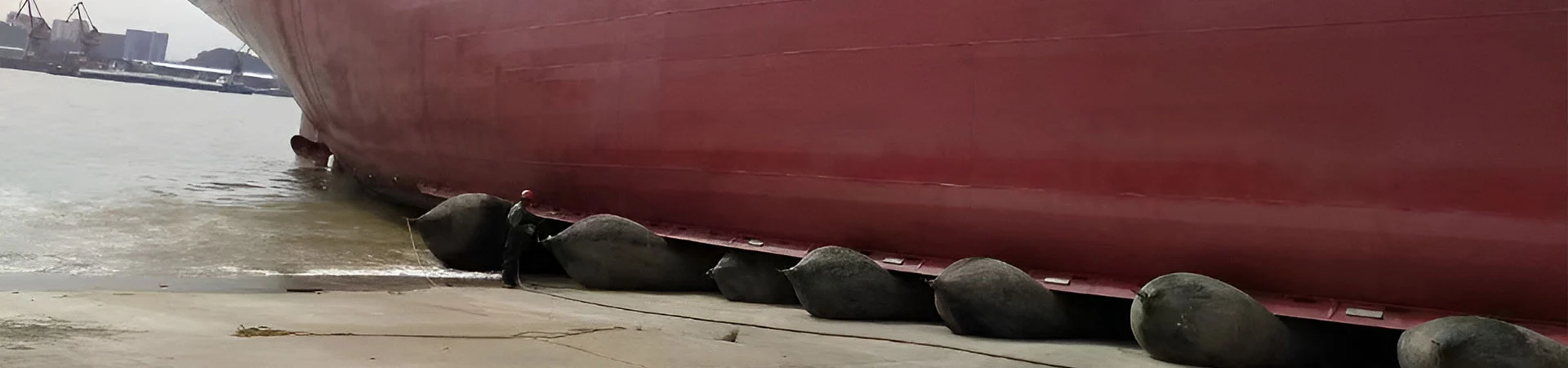
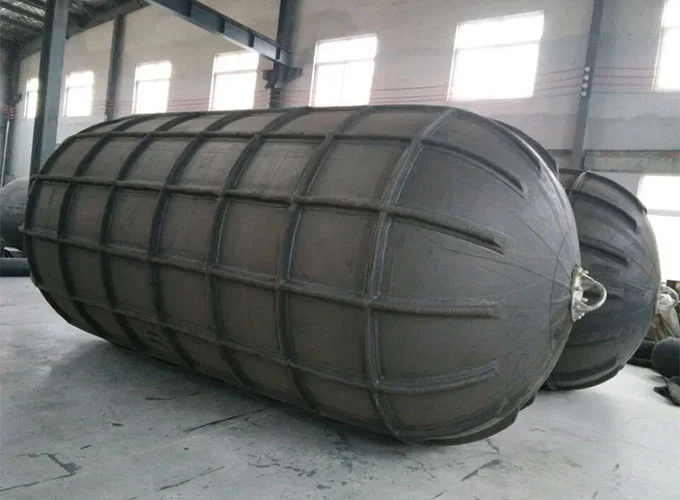
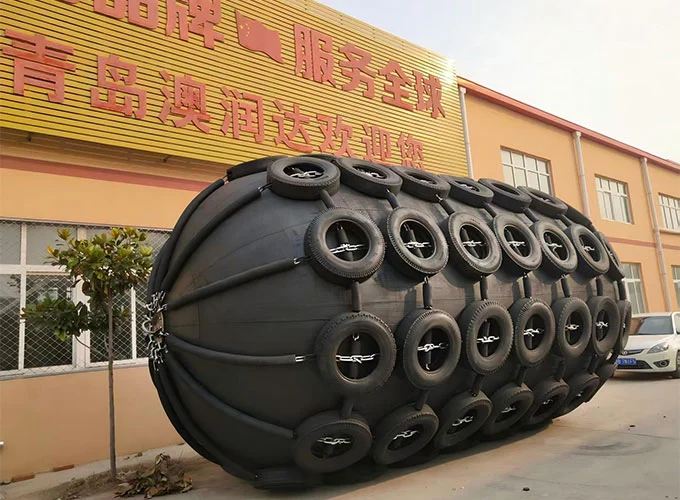
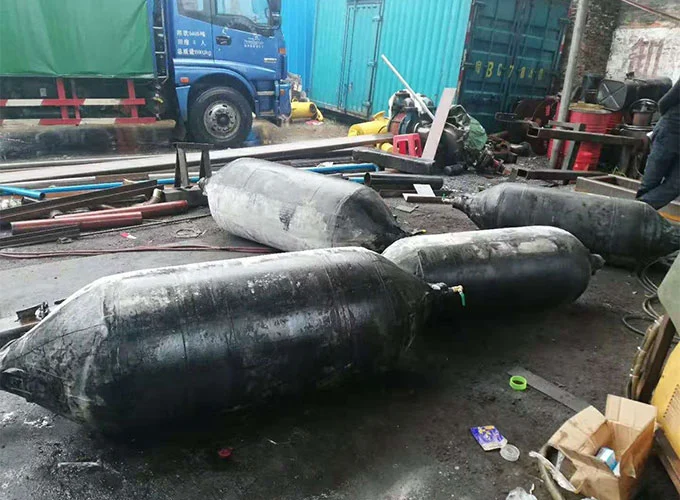
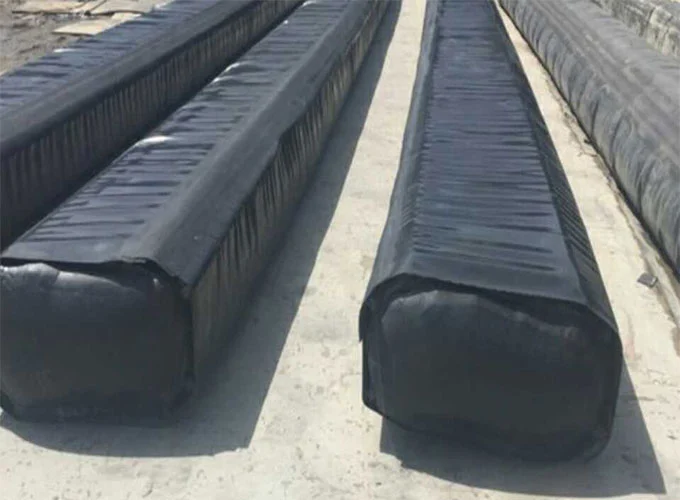
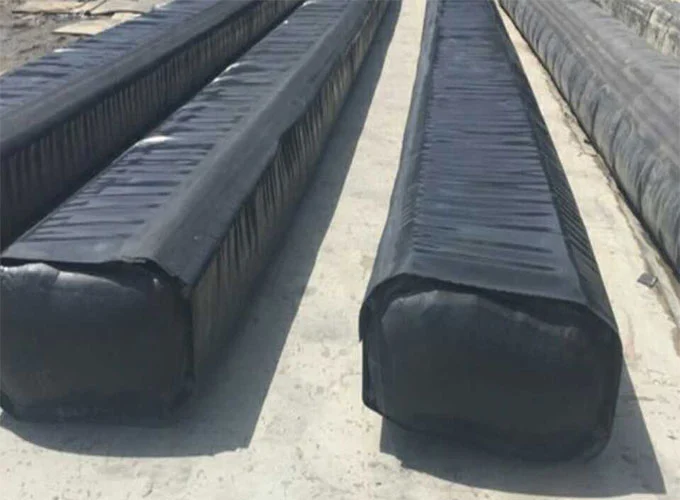
The reliability of marine airbags is directly linked to the safety and success of major engineering projects. With advancements in material science and design theory, the safety performance and service life of modern marine airbags have seen systematic improvement, enabling them to meet the demands of increasingly harsh working environments.
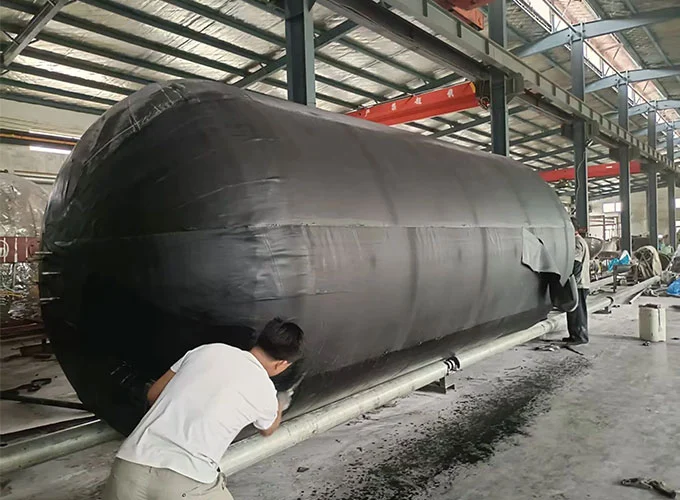
Modern high-performance marine airbags typically feature a multi-layer composite structure. The inner air-retaining layer uses a special rubber compound to ensure excellent airtightness and aging resistance. The middle skeleton layer consists of high-strength synthetic fiber cords, wound at specific angles to provide the compressive and tensile strength required to withstand high pressure and immense loads. The outer layer is covered with a protective coating that is wear-resistant, weather-resistant, and puncture-resistant. This "cord-rubber" composite structure, inspired by tire design, scientifically distributes stress.
In terms of design, computer finite element analysis is used for simulation to optimize the stress distribution within the airbag during load-bearing and rolling, preventing local stress concentration. Strict manufacturing process controls, particularly regarding key parameters like cord winding tension and vulcanization, ensure uniform and stable product performance. Furthermore, relevant international technical standards impose strict regulations on key indicators such as working pressure, safety factor, and fatigue cycle count. Certification from authoritative bodies has become a crucial benchmark for measuring their safety. These comprehensive advancements—from materials to design, from process to standards—collectively form the safety foundation of modern marine airbags, establishing them as a mature technology proven in practice.
We use cookies to offer you a better browsing experience, analyze site traffic and personalize content. By using this site, you agree to our use of cookies.Privacy Policy