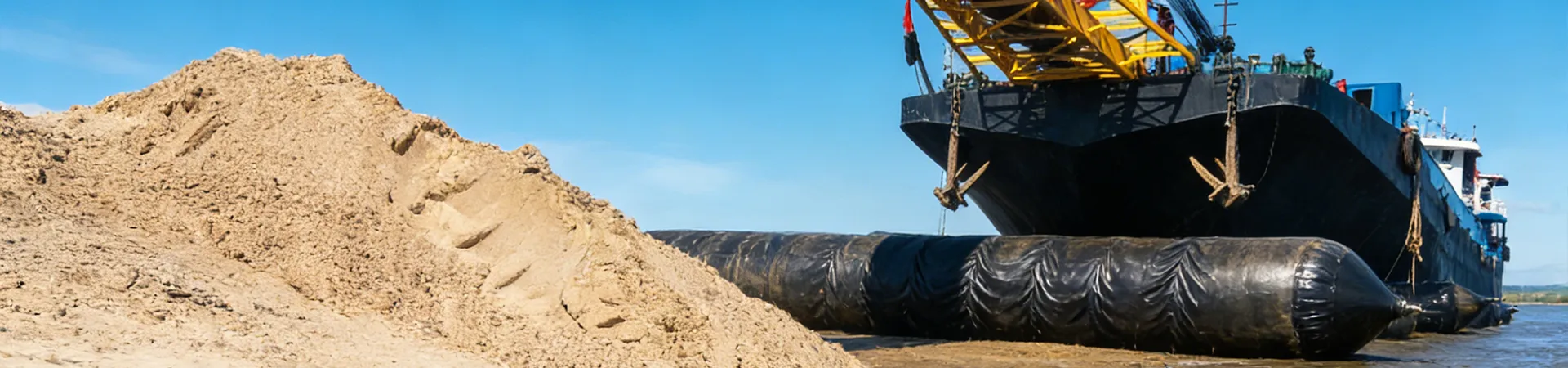
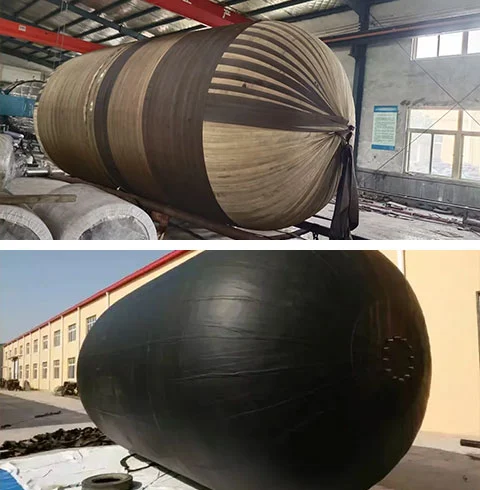
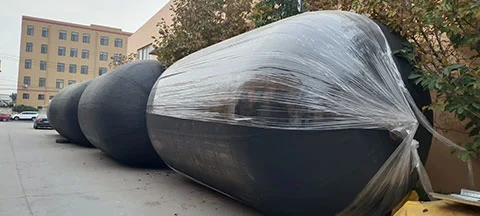
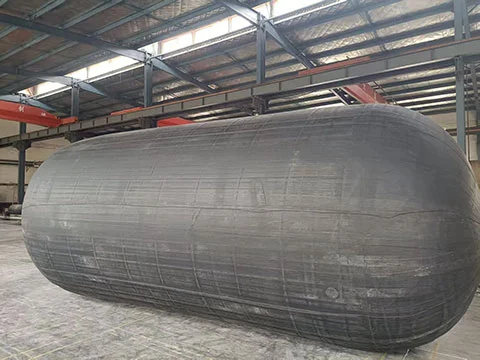
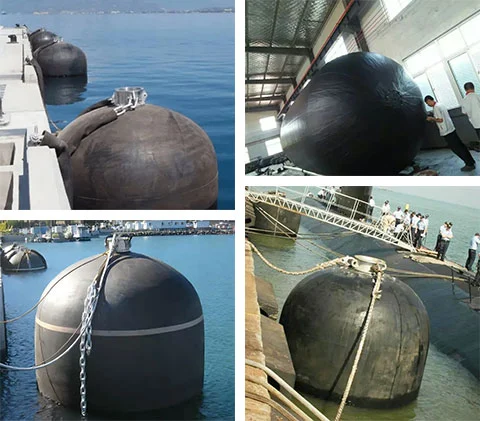
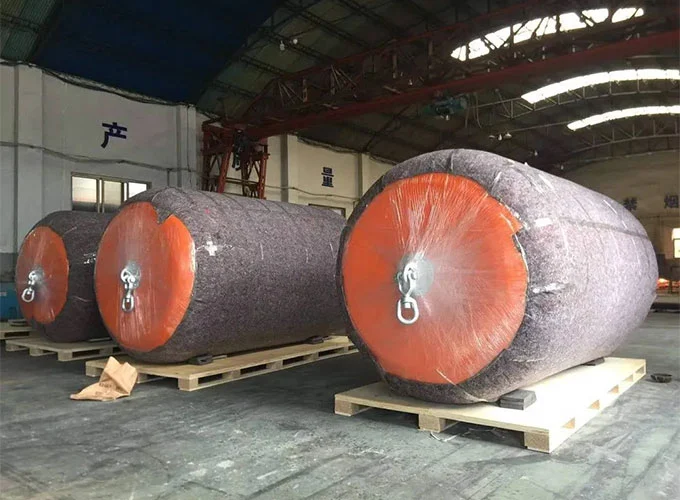
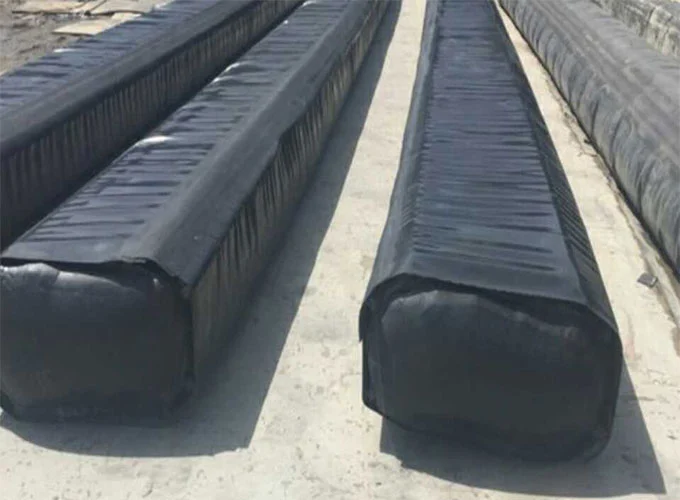
Aorunda is a professional manufacturer and supplier of submarine anti-collision fenders. Specializing in R&D and production, we provide both custom and volume supply services to naval bases and port infrastructure projects, delivering targeted and effective protection. We invite you to contact us with your project requirements; we are ready to provide technical support and tailored recommendations.
Aorunda is a Chinese manufacturer with its own production facilities, specializing in high-performance submarine anti-collision fenders. Unlike standard floating fenders, this product is a specialized, advanced vertical anti-collision unit utilizing a hybrid gas-liquid system. We provide comprehensive technical support and after-sales service with the product.
What is a Submarine Anti-Collision Fender?
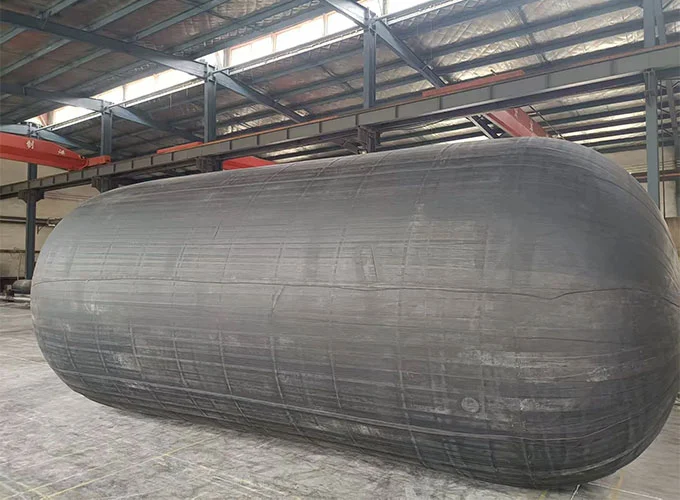
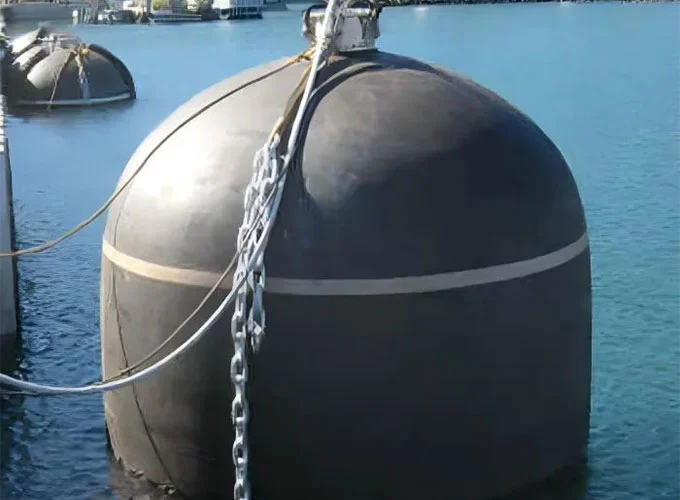
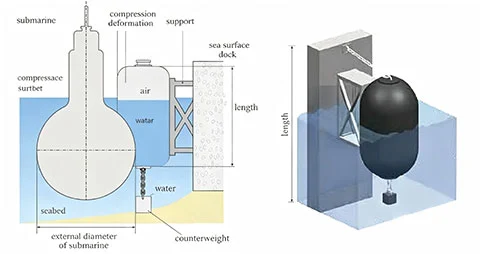
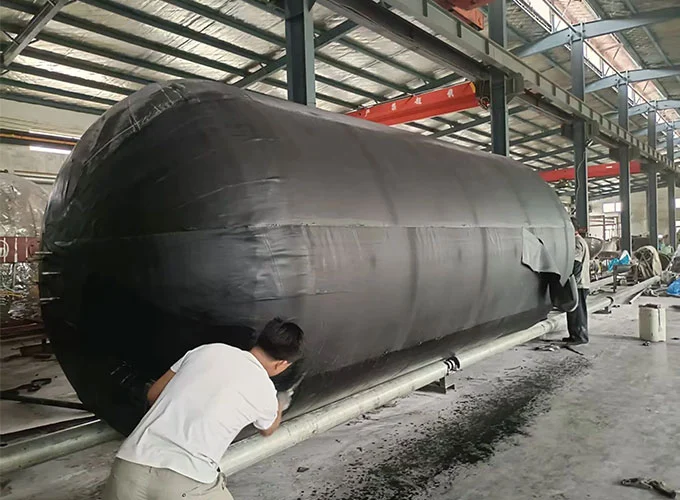
The submarine anti-collision fender is specialized equipment designed specifically for submarine berthing protection. Its core structure consists of four main components: a multi-layer reinforced rubber body, metal flanges, an air-and-water-filled chamber, and a bottom counterweight.
Utilizing a counterweight to maintain a vertical, submerged floating position, the device conforms to the contours of the submarine's underwater hull. It focuses on protecting the pressure hull located below the waterline—addressing the limitations of conventional horizontal fenders that cannot cover this submerged area—and serves as dedicated protective equipment for the berthing operations of submarines and other underwater vessels.
Core Product Advantages
1. Air-Water Hybrid Cushioning Structure
The Submarine Anti-Collision Fender features a unique air-water hybrid design, offering an energy absorption capacity ranging from 50 to 2,000 kJ. It provides soft cushioning during low-speed submarine berthing (≤0.5 m/s), preventing hull damage caused by rigid impacts.
2. Resistance to Tilting or Displacement
Aorunda submarine fenders utilize a cast iron or concrete bottom ballast to lower the center of gravity, maintaining excellent vertical alignment in the water (deviation ≤±2°). They resist tilting or shifting even under the influence of wind, waves, and currents, ensuring reliable, all-weather protection.
3. Flexible Operational Configuration
The internal air-to-water ratio and chamber pressure can be freely adjusted to accommodate varying tidal ranges, water depths, and vessel types, offering exceptional versatility.
Standard configuration: 30% air and 70% seawater
High tide: Switchable to 40% air and 60% seawater
Low tide: Adjustable to 20% air and 80% seawater.
4. Environmental Adaptability
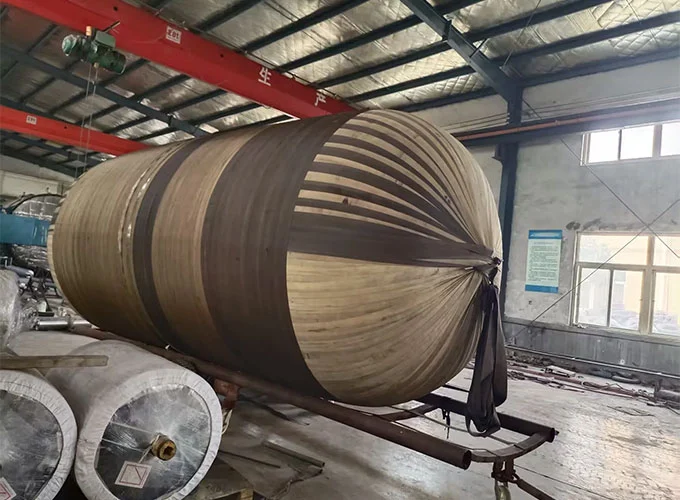
The fender body is constructed from specialized marine-grade neoprene rubber using a multi-layer nylon cord winding process, delivering performance far superior to standard natural rubber.
It withstands temperatures ranging from -30°C to +70°C and effectively resists degradation from seawater, salt spray, oil, and UV radiation, while also being resistant to marine organism adhesion.
5. Modular Deployment
The Submarine Anti-Collision Fender features a modular design that facilitates lifting and relocation.
It can be rapidly deployed, dismantled, and reused at temporary berths, making it suitable for various scenarios such as temporary docking, wharf maintenance, and shipyard operations.
6. Easy Maintenance
The fender boasts a streamlined overall structure with a low failure rate and minimal wear-prone components; routine maintenance requires only periodic checks of air pressure and the condition of the outer shell, thereby reducing long-term maintenance costs.
7. High Safety Factor
Aorunda employs advanced technology to implement a flexible anti-collision design throughout the entire process; the absence of hard contact during docking eliminates the risk of damage to the submarine caused by crushing or impact.
The product features standardized pressure ranges and clearly defined specifications; when operated in strict accordance with guidelines, it is free from issues such as bursting or leakage, offering safety and stability far superior to conventional fenders.
Specification Parameters
Item
Specification Parameters
Common Size (Diameter×Length)
2m×4m、2.5m×5.5m、3m×6m(Customizable)
Standard Inflation Pressure
0.05~0.08MPa, Max allowed pressure<0.1MPa
Normal Water-Air Ratio
Air30%+Water70%
Allowable Inclination Angle
≤±2°
Applicable Temperature
-30℃~+70℃
Safe Berthing Speed
≤0.5m/s
Installation and Usage Instructions
1. Standard Installation Procedure
● Pre-install steel support structures and anchor chains at the berth to secure the counterweight at the bottom of the fender.
● Use a crane to vertically lower the submarine fender into the water with the counterweight end facing down; connect the anchor chains and adjust the tension.
● Connect the inflation pump and inflate the fender to a pressure of 0.05–0.08 MPa (0.05 MPa recommended).
● Fill the fender with seawater to the specified level via the water inlet and close all valves.
● Adjust the anchor chain length and align the fender's orientation to ensure it hangs vertically, without tilting or leaning.
2. Operational Controls
● Strictly limit the submarine's berthing speed to ≤ 0.5 m/s; excessive speed generates instantaneous impact forces that can damage the internal rubber, snap reinforcing cords, and significantly reduce the equipment's service life.
● Regularly monitor internal air pressure; replenish air promptly if the pressure drops below 0.04 MPa, and strictly avoid over-pressurization (exceeding 0.1 MPa).
● Adjust the air-to-water ratio according to local tidal ranges to prevent uneven stress distribution on the fender body.
3. Storage Regulations
● When the submarine fender is not in use for an extended period, drain all internal water and maintain an internal pressure of 0.02 MPa.
● Store in a cool, dry warehouse; avoid outdoor exposure to direct sunlight and stacking under heavy loads. Keep away from sharp objects and corrosive substances to prevent rubber adhesion, structural collapse, aging, and deformation.
How Can the Service Life of Submarine Anti-Collision Fenders Be Effectively Extended?
1. Factors Affecting Service Life
▷ Materials and Manufacturing: Materials and manufacturing processes determine the upper limit of a fender's lifespan; utilizing a high-quality multi-layer cord-wound structure and seawater-resistant rubber can extend service life by over 30%.
▷ Operating Conditions: Frequent berthing, over-pressure usage, and prolonged exposure to inclined loads accelerate equipment wear.
▷ Natural Environment: Seawater salt spray, intense UV radiation, wind, waves, currents, and marine growth cause continuous degradation.
▷ Operations and Maintenance: Improper maintenance or failure to address issues promptly directly shortens the equipment's lifespan.
2. Strategies to Extend Service Life
Under proper operating and maintenance conditions, Aorunda submarine fenders have a design life of 15 to 20 years; however, in harsh conditions with inadequate maintenance, this may drop to less than 8 years.
To effectively extend service life, consider the following recommendations:
①. Install tire sleeves, rubber protective nets, and wear-resistant polyurea coatings to minimize damage from scraping and impact, effectively extending service life by 25% to 40%.
②. Regularly remove marine growth, salt deposits, and oil stains from the fender body; conduct quarterly comprehensive pressure tests and anti-rust maintenance on anchor chains; and perform professional flaw detection annually.
③. Promptly replace corroded or aged anchor chains, shackles, and sealing components to prevent mooring failure or leakage.
FAQ
Q1: Can standard floating dock fenders be used as a substitute for submarine anti-collision fenders?
A1: No, they are absolutely not interchangeable.
Standard fenders are typically suspended or floating and lack a bottom-mounted counterweight structure; they cannot be filled with water or have their air-to-water ratio adjusted. They only protect the area at the water surface and cannot cover critical sections of the submarine's pressure hull located below the waterline.
Such fenders have significant underwater protection blind spots and are prone to shifting or tilting due to wind, waves, and currents, making them unable to meet the specialized protection standards required for submarines.
Q2: How should minor, localized air leakage in a fender be handled?
A2: Immediately stop using the equipment, drain the internal air and water, and inspect the unit for damage or flange seal failure.
Promptly repair any damage to the fender body and replace aged gaskets. Conduct a pressure re-test after repairs are complete; the unit may only be returned to service once all parameters meet the required standards.
Custom Rubber Solutions Await! Get a Factory-Direct Quote in 24 Hours
As a Top 10 Rubber Manufacturer in China, Aorunda engineers precision solutions for naval, construction & marine industries. Submit specs now for:
✅ Expert technical consultation
✅ Competitive OEM/ODM pricing
✅ Fast sampling & global shipping
We use cookies to offer you a better browsing experience, analyze site traffic and personalize content. By using this site, you agree to our use of cookies.Privacy Policy