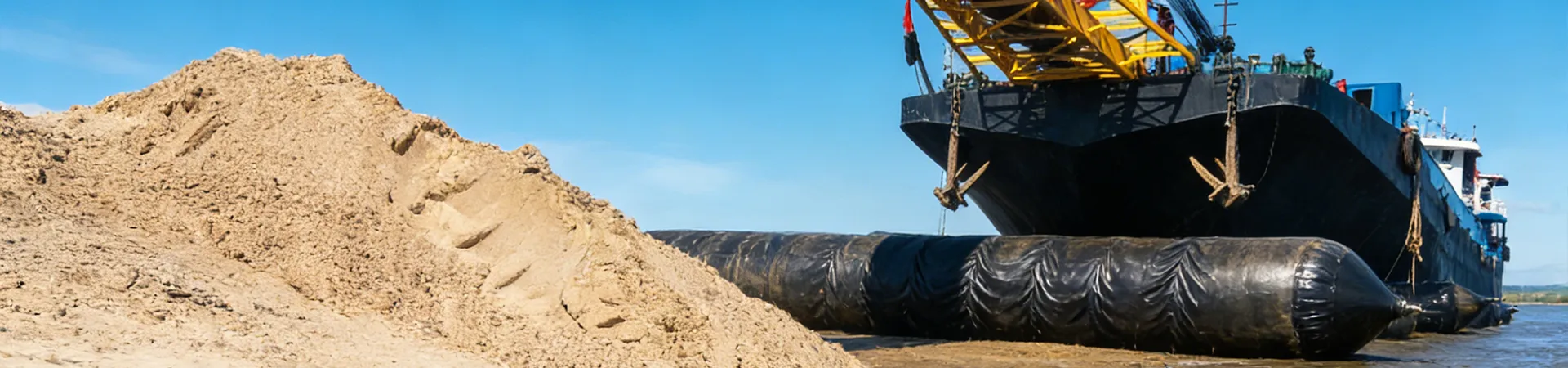
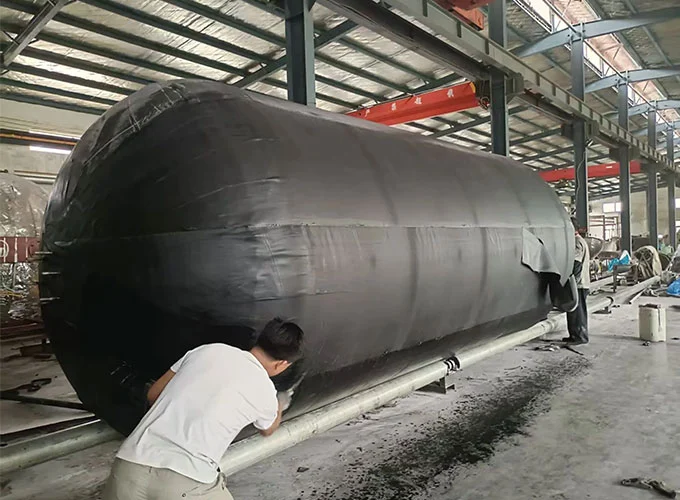
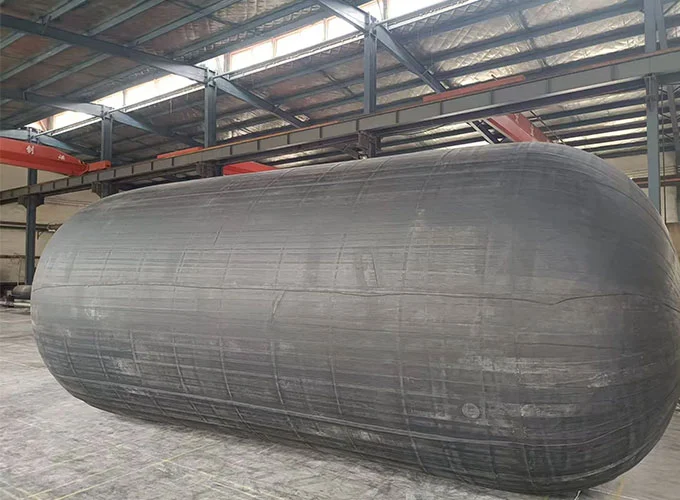
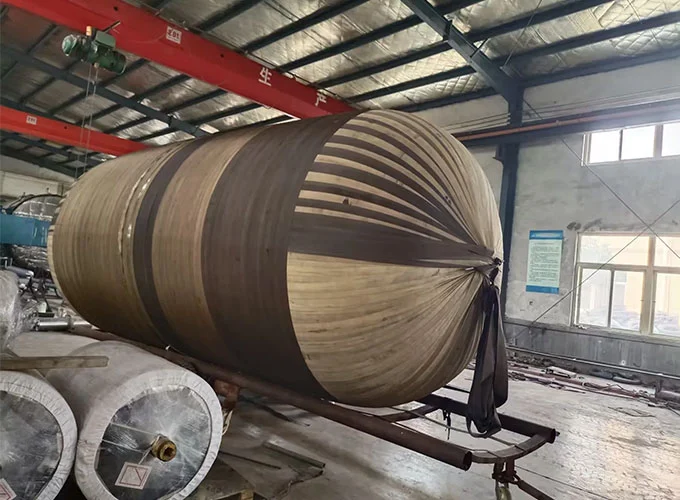
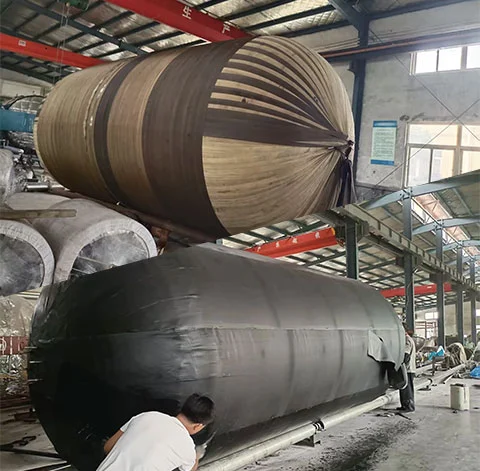
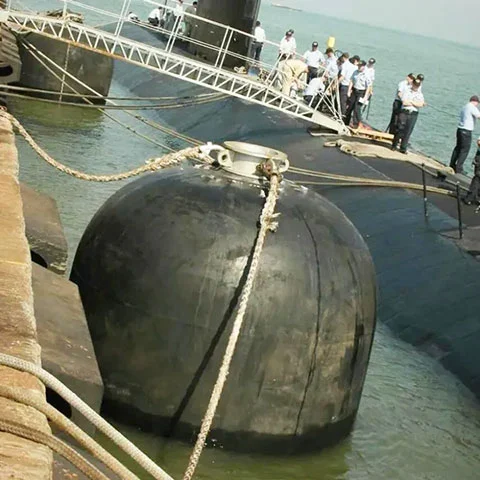
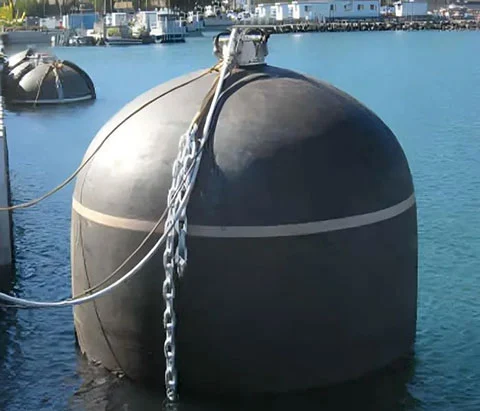
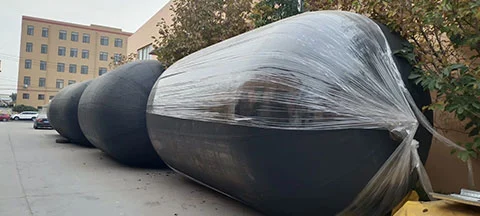
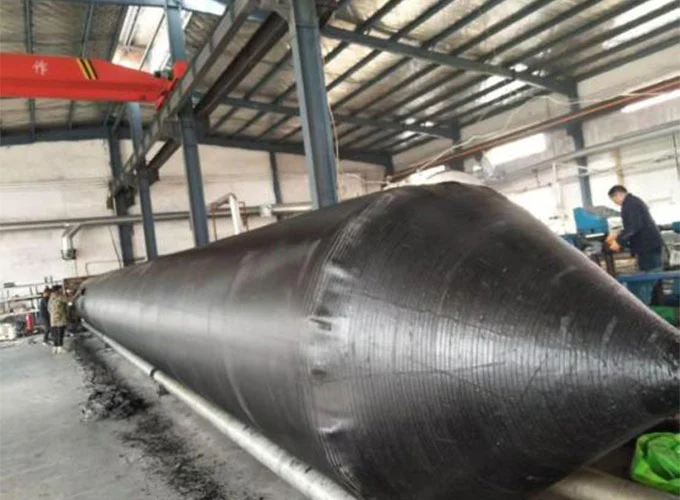
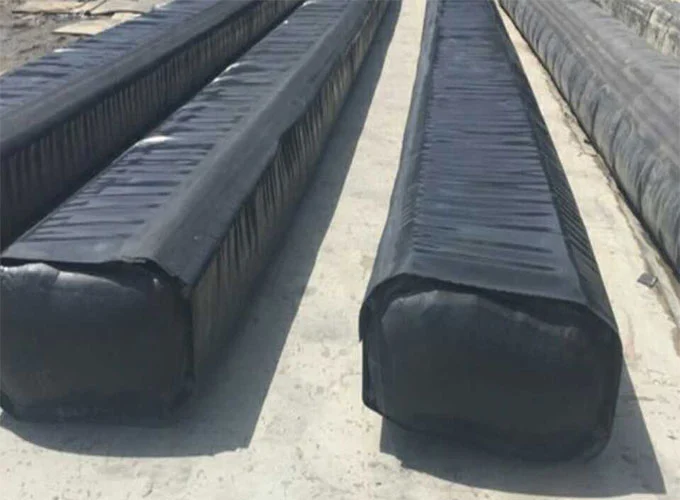
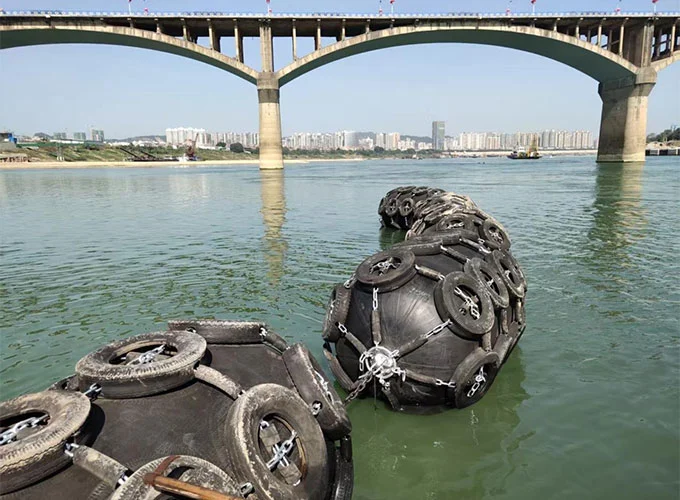
As a professional manufacturer with over 30 years of experience, Aorunda offers Rubber Fender for Submarine. We collaborate on engineering tenders, procurement, and customized projects, utilizing high-quality multi-layer composite rubber manufacturing processes to ensure safety during underwater operations.
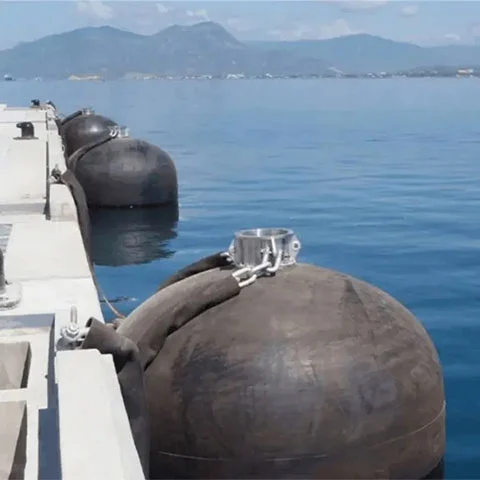
Aorunda is a reliable manufacturer and supplier of Rubber Fender for Submarine, suitable for use in submarine dry docks and naval bases, as well as for the berthing of semi-submersible offshore platforms and specialized vessels.
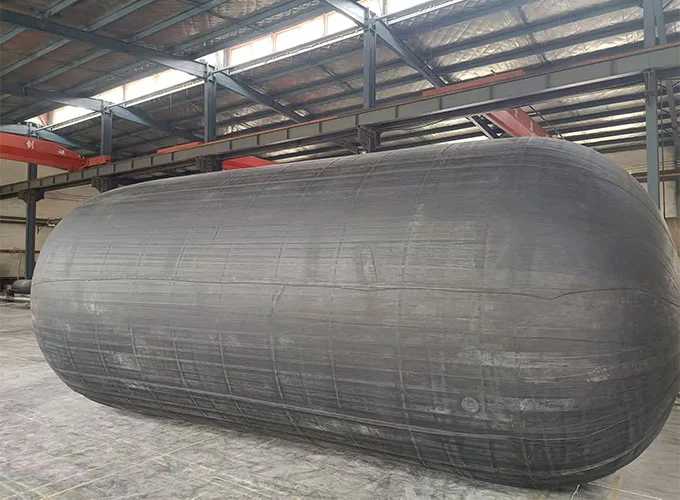
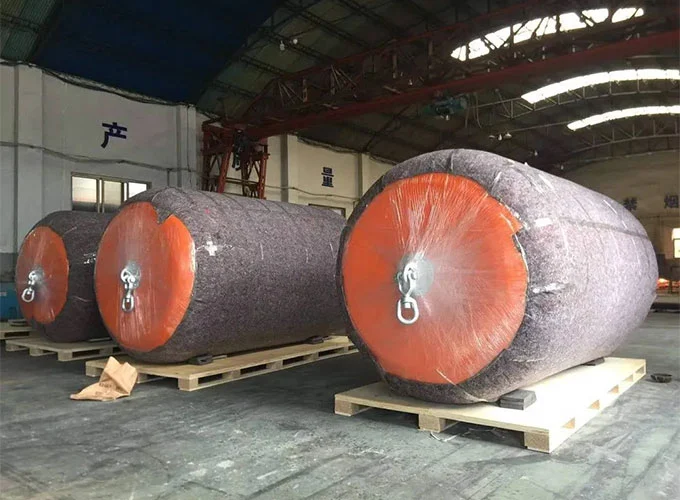
The product features a structure comprising a cylindrical body with hemispherical ends and is equipped with independent dual-valve ports for inflation and water filling, allowing for precise adjustment to accommodate submarines with varying drafts. Materials, structural design, and performance specifications can all be customized to meet the specific protection requirements of the submarine's pressure hull.
Why Choose Our Rubber Fender for Submarine?
1. Manufactured from Premium Materials
These submarine rubber fenders are no ordinary fendering units; the main body is constructed from specialized rubber designed for marine environments and reinforced with multiple layers of polyester cord. They are resistant to seawater immersion and chemical corrosion, while also exhibiting extremely low rates of marine growth adhesion (such as seaweed and shellfish).
Compared to standard natural rubber, this product offers significantly enhanced resistance to salt spray, UV radiation, aging, and oil contamination. It resists hardening, cracking, and embrittlement during long-term use, resulting in an overall service life extension of more than 30%.
2. High Level of Safety and Protection
Low center of gravity design: This counterweighted rubber fender for submarines ensures stable, uniform load distribution and is securely locked to the bottom flange, allowing the unit to maintain a vertical orientation even amidst currents, wind, and waves.
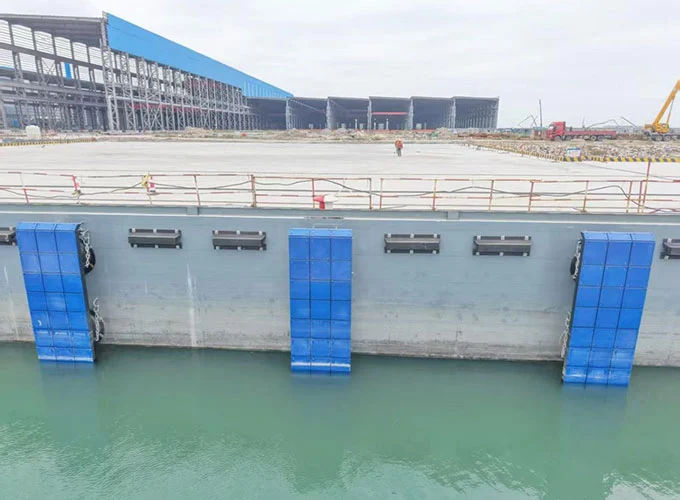
Flexible anti-collision structure: There is no rigid metal-to-metal contact during berthing, preventing damage caused by compression or impact.
Stainless steel valve body and aging-resistant sealing components: These ensure stable pressure performance and minimize leakage risks. When operated according to specifications, there is no risk of cylinder rupture, ensuring safe and reliable use.
3. High Degree of Customization
Aorunda offers customized solutions, tailoring dimensions, rubber thickness, and counterweight specifications to meet specific requirements.
Beyond standard fixed submarine berths, the system is adaptable to various scenarios, including dry-dock maintenance, semi-submersible platform operations, and temporary berthing.
4. Modular Design
Featuring a fully modular design for assembly and disassembly, the fender can be lifted and relocated as a single unit. It can be reused during dock renovations or operational adjustments, significantly reducing procurement and operating costs.
5. Broad Adaptability and Operational Compatibility
The air-to-water inflation ratio of the fender can be flexibly adjusted to accommodate tidal fluctuations and variations in water depth, making it suitable for operations across high and low tides as well as varying water depths.
This feature effectively resolves the issues of poor adaptability and protection failure often encountered with conventional fenders in real-world scenarios, ensuring comprehensive suitability for a wide range of marine operational conditions.
The internal air-to-water ratio of the submarine rubber fender should be adjusted promptly based on real-time tidal range and water depth at the berth.
High tide and deep-water environments: Increase the proportion of air.
Low tide and shallow-water environments: Increase the proportion of water to ensure uniform stress distribution across the fender body, preventing deformation or damage caused by localized stress concentration.
Berthing speed: Must not exceed 0.5 m/s to prevent hidden damage to the cord fabric layers and the inner rubber lining caused by high-speed impact.
2. Routine Tiered Maintenance
● Daily maintenance: Conduct a visual inspection of the equipment for bulges, scratches, or damage; check the tightness and corrosion status of anchor chains and the security of counterweights.
● Monthly maintenance: Clean salt deposits, oil stains, and marine growth from the equipment surface.
● Quarterly maintenance: Perform pressure calibration and anti-rust maintenance on anchor chains.
● Annual maintenance: Conduct professional flaw detection on the fender body and comprehensive maintenance of accessories.
If issues such as flange valve leakage, rubber seal aging, or anchor chain wear are detected, operations must be suspended immediately for maintenance and component replacement.
3. Differentiated Wear and Tear Management
High-frequency berthing operations (e.g., at shipyards): Rubber fenders for submarines experience significant wear due to friction and compression; inspection and maintenance intervals must be shortened.
Long-term berthing facilities: Priority should be given to preventing marine growth and aging caused by prolonged exposure, alongside regular anti-corrosion maintenance.
Idle equipment: Should not be haphazardly stacked outdoors or allowed to deform; must be kept away from acidic, alkaline, or corrosive substances, as well as sharp, hard objects.
Longevity Extension Supporting Plan
1. Optional protective features—such as specialized rubber protective nets, outer sheaths, and wear-resistant polyurea coatings—can be equipped to effectively prevent surface damage and wear caused by abrasion during submarine berthing and the impact of water currents.
2. Implement a scheduled replacement program for components such as anchor chains, shackles, counterweights, and rubber seals; replace these parts promptly upon signs of corrosion or wear to prevent fender displacement or collision damage resulting from attachment failure.
3. Store idle equipment in strict accordance with regulations: maintain internal pressure, drain accumulated water, and take measures to prevent the rubber from sticking, collapsing, or aging prematurely.
4. For extreme environments—such as high or low temperatures—utilize modified specialty rubber materials to ensure the necessary wear resistance and durability under harsh operating conditions.
FAQ
Q1: What should be done if the submarine rubber fender is prone to cracking in extremely cold environments?
A1: Standard rubber tends to become brittle and crack at low temperatures; therefore, it is recommended to use specialized rubber grades modified for low-temperature performance to suit cold operating conditions.
During routine use, the internal working pressure can be slightly increased to reduce the risk of rubber deformation and brittle cracking. Additionally, prolonged exposure to low temperatures should be avoided, and appropriate thermal insulation measures should be implemented.
Q2: Is complete replacement necessary if a large amount of marine growth accumulates on the fender surface?
A2: Complete replacement is not required. Manual removal of seaweed, barnacles, and other deposits on a monthly basis is sufficient to maintain normal operation.
If long-term accumulation causes surface damage or deep-seated corrosion, only localized repair of the affected areas is needed; there is no need to replace the entire unit.
Hot Tags: Submarine Rubber Fender Manufacturer, Rubber Fender for Submarine Supplier, Marine Rubber Fender for Submarines
Custom Rubber Solutions Await! Get a Factory-Direct Quote in 24 Hours
As a Top 10 Rubber Manufacturer in China, Aorunda engineers precision solutions for naval, construction & marine industries. Submit specs now for:
✅ Expert technical consultation
✅ Competitive OEM/ODM pricing
✅ Fast sampling & global shipping
We use cookies to offer you a better browsing experience, analyze site traffic and personalize content. By using this site, you agree to our use of cookies.Privacy Policy