Why do submarine fenders use a hybrid gas-liquid structure instead of relying entirely on compressed air? The answer lies in the need to control buoyancy, underwater positioning, and impact energy during submarine berthing. By combining compressed air with seawater, a Submarine Anti-Collision Fender can maintain a vertical working position while providing adjustable cushioning performance. At Aorunda, we use this principle to develop specialized submarine fender systems with energy absorption capacities ranging from 50 to 2,000 kJ, supporting different berth conditions, water depths, and vessel requirements.
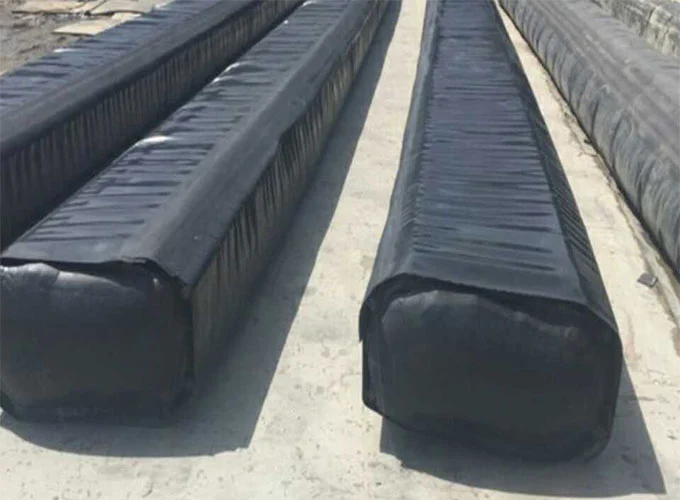
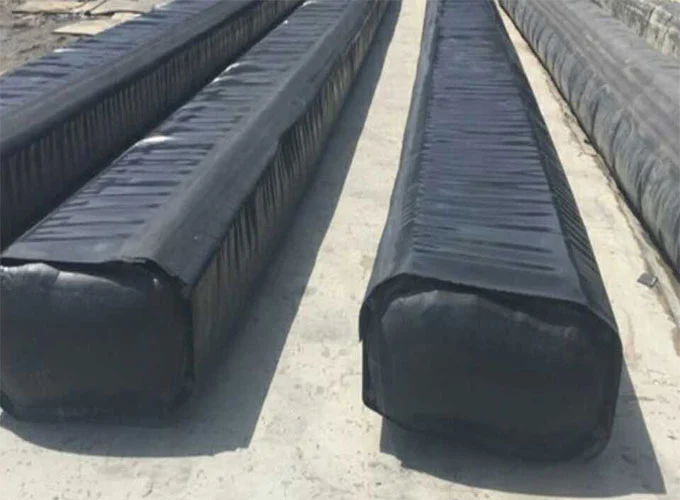
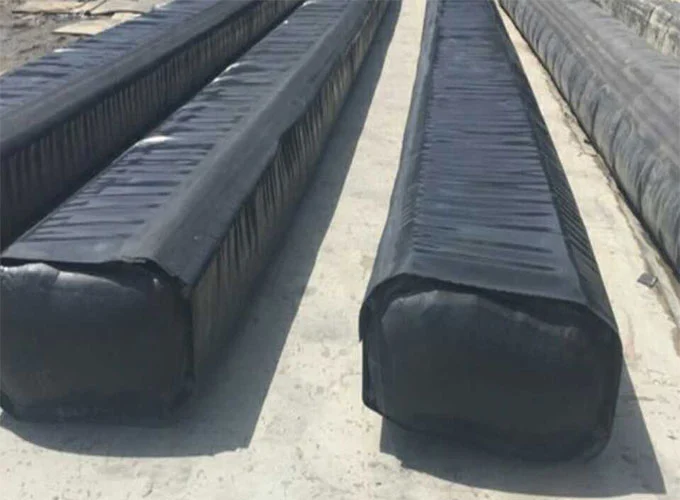
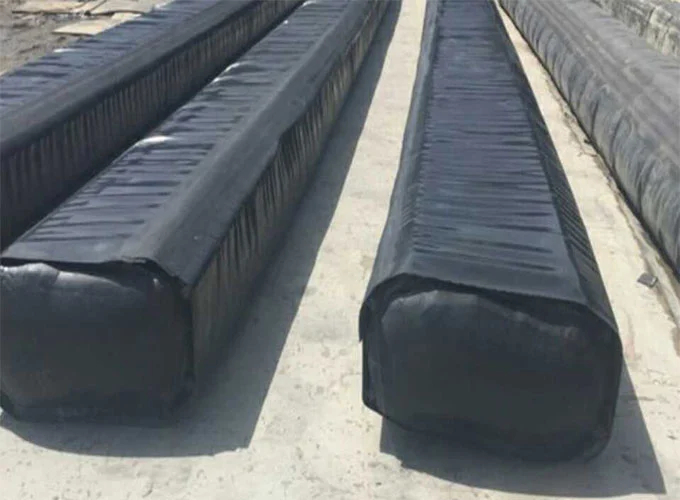
Bridge construction requires reliable forming solutions to produce hollow concrete components with accurate dimensions, consistent internal structures, and manageable construction costs. Traditional steel and wooden molds can be heavy, difficult to remove, and less convenient when projects involve different spans or irregular shapes. Rubber inflatable core molds offer an alternative by using controlled air pressure to support concrete forming and allowing the mold to be removed after the concrete reaches its initial setting stage.
The contribution of Rubber Inflatable Core Mold technology to complex concrete forming lies in the way flexibility can be combined with pressure control and a planned removal sequence. Its performance depends on the coordination of mold design, rubber material properties, reinforcement placement, concrete handling, and inspection.
Rubber Inflatable Core Mold supports hollow concrete forming through controlled inflation, dimensional stability, and simplified demolding. Its application depends on mold design, pressure control, concrete curing, and construction quality requirements.
A rubber inflatable core mold is a flexible, pressure-resistant forming solution designed to create internal cavities, hollow structures, or controlled shapes where conventional rigid cores can be difficult to install and remove. Its performance depends on more than rubber flexibility. Material selection, reinforcement, dimensional accuracy, air-tightness, inflation pressure, curing quality, surface condition, and application-specific design all influence service reliability.
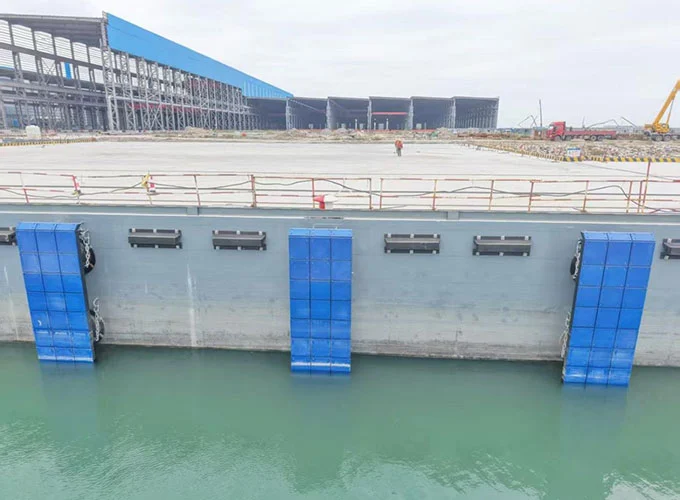
Marine berthing generates considerable impact energy. Without an appropriate fender system, repeated contact between a vessel and a quay, pier, jetty, or loading facility can result in structural damage, hull deformation, excessive maintenance, and costly operational interruptions. High-elasticity solid rubber fenders provide a practical solution by converting a significant portion of impact energy into controlled rubber deformation.
We use cookies to offer you a better browsing experience, analyze site traffic and personalize content. By using this site, you agree to our use of cookies. Privacy Policy