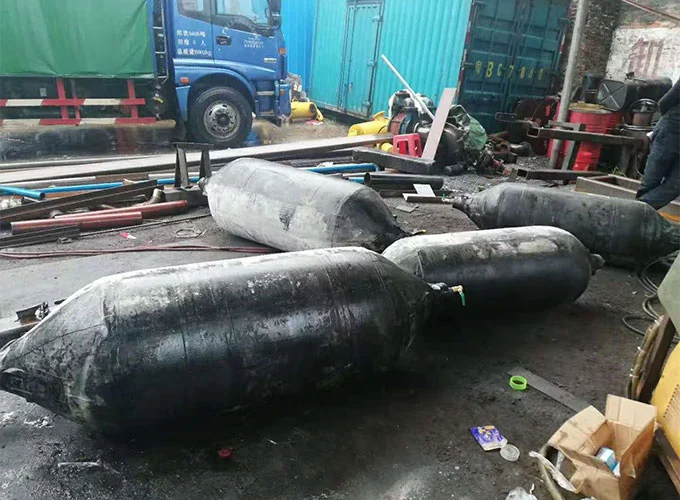
Bridge construction requires reliable forming solutions to produce hollow concrete components with accurate dimensions, consistent internal structures, and manageable construction costs. Traditional steel and wooden molds can be heavy, difficult to remove, and less convenient when projects involve different spans or irregular shapes. Rubber inflatable core molds offer an alternative by using controlled air pressure to support concrete forming and allowing the mold to be removed after the concrete reaches its initial setting stage.
At Aorunda, we manufacture rubber inflatable core molds using high-strength synthetic fiber fabric and synthetic rubber through a high-temperature vulcanization process. With different diameters, lengths, and shapes available, our products are designed for bridge construction and precast concrete applications where flexibility, repeated use, and on-site handling matter.
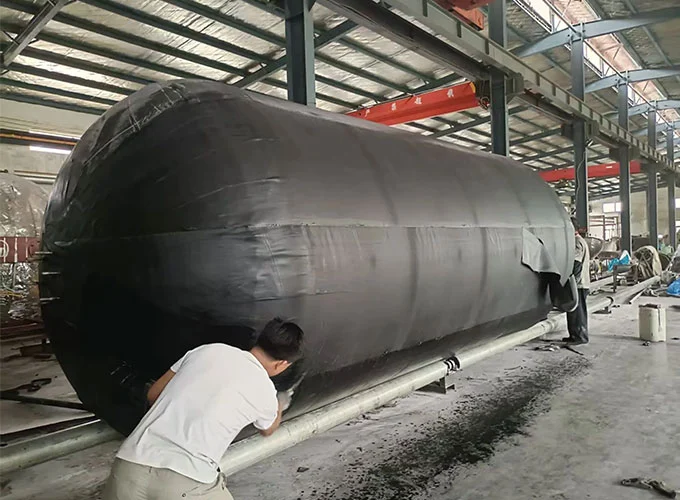
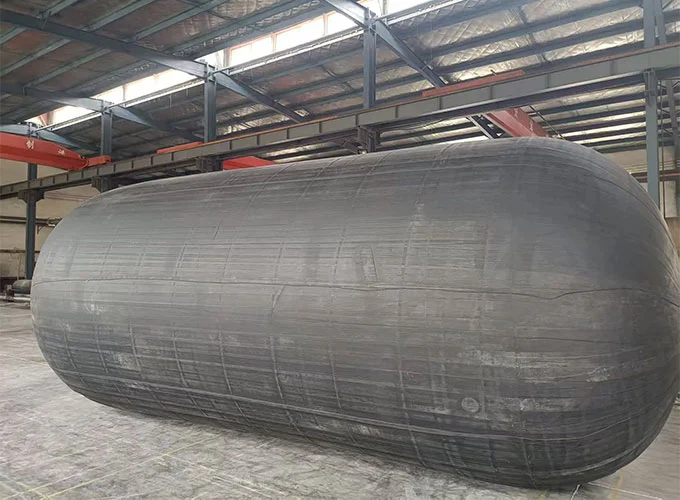
A rubber inflatable core mold is a flexible forming product made from high-strength synthetic fiber fabric coated with synthetic rubber. The fiber fabric acts as the pressure-resistant reinforcement layer, while the inner and outer rubber layers provide bonding protection and flexibility. The assembled material is vulcanized at high temperatures according to the required dimensions and shape.
During bridge construction, we place the deflated core mold inside the designated reinforcement structure and inflate it to the specified working pressure. Once the mold reaches the required dimensions and is securely positioned, concrete can be poured around it to form a hollow section.
After the concrete reaches its initial setting stage, the air is released through the valve, allowing the mold to contract and be pulled out. The recovered mold can then be cleaned, inspected, and prepared for another construction cycle.
This process makes Rubber Inflatable Core Molds particularly useful for hollow concrete components, where maintaining the internal cavity shape is just as important as forming the external concrete surface.
Unlike rigid molds, inflatable core molds can be deflated for removal, reducing the difficulty of demolding enclosed or relatively narrow concrete structures. Their flexible construction also allows different dimensions and shapes to be produced for specific bridge engineering requirements.
For other construction applications, we also supply building airbags and pipe airbags.
In our experience, the main advantage of an inflatable core mold is not simply replacing a rigid mold with a rubber product. It is the way the mold changes the installation, forming, and demolding process. Several practical benefits make it suitable for bridge construction.
Steel and wooden molds generally require more complicated handling and removal arrangements, particularly when the concrete structure contains enclosed hollow sections. An inflatable rubber core mold can be inserted in its deflated condition, inflated after positioning, and deflated again before extraction.
This reduces the need for complicated mold removal operations and can save labor during construction. However, the mold must be correctly positioned and secured before concrete pouring to prevent movement under concrete pressure.
Bridge projects do not always use identical concrete component dimensions. Different spans, structural designs, and internal cavity shapes may require different mold specifications.
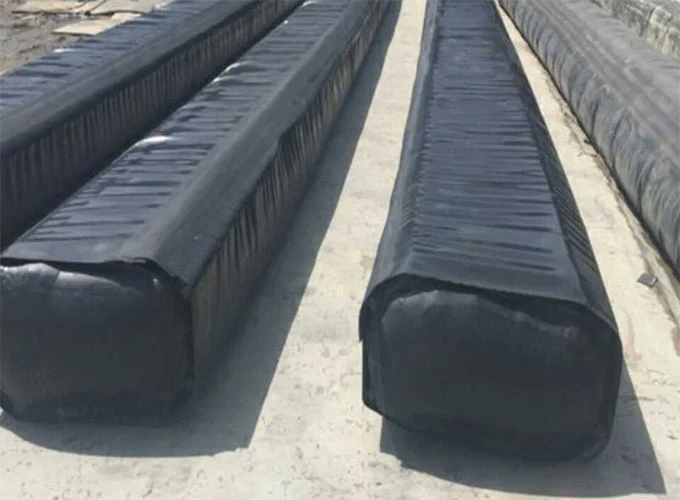
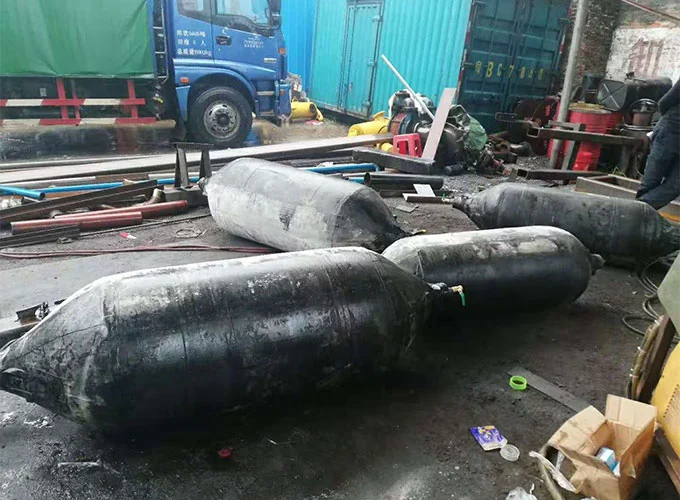
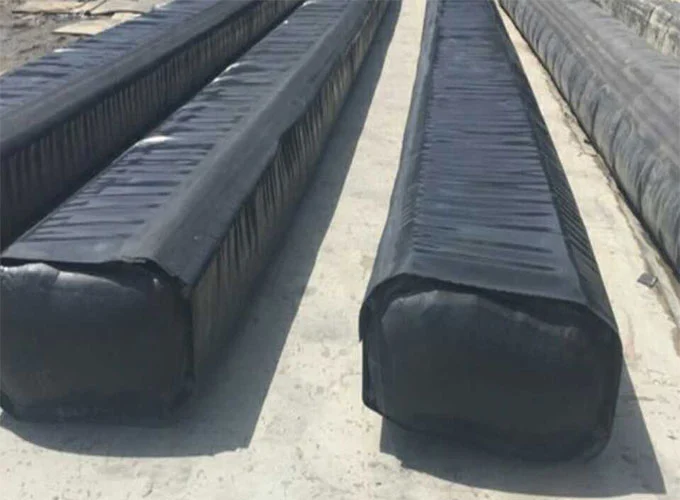
Our rubber inflatable core molds are available in multiple diameters and lengths, including conventional round and rectangular configurations. We also support customized shapes and dimensions according to engineering drawings and actual construction requirements.
One practical advantage of rubber inflatable core molds is their reusability. Instead of treating every forming operation as a new mold installation, construction teams can recover the core mold after demolding, inspect its condition, and reuse it in subsequent operations.
Under normal operating conditions, standardized storage, and timely maintenance, our product can be reused dozens of times. The actual service life depends on inflation pressure, handling methods, construction conditions, and maintenance practices.
Compared with single-use or project-specific rigid forming materials, this repeated-use feature can help reduce material consumption and overall construction costs.
Inflatable core molds help form hollow concrete components without leaving the mold material inside the finished structure. According to the product application information, prestressed hollow concrete components formed with this method can be approximately 20% lighter than non-prestressed solid components.
This weight reduction relates to the hollow and prestressed structural design rather than the rubber mold itself. For suitable bridge projects, lighter structural components can help reduce the load on supporting structures and provide greater flexibility in engineering design.
When selecting a rubber inflatable core mold, we recommend evaluating more than its external dimensions. Reinforcement strength, rubber-to-fabric adhesion, surface condition, operating temperature, and pressure resistance all affect its performance during concrete forming.
The following table summarizes the main physical and mechanical specifications of our core mold inner film adhesive tape.
| Performance Item | Specification |
|---|---|
| Thickness Tolerance | 3 ± 0.2 mm |
| Surface Appearance | Smooth surface, no exposed fabric |
| Rubber-to-Fabric Adhesion Strength | ≥ 8 N/25 mm |
| Standard Operating Temperature of Inner Film Tape | -10°C to +80°C |
We use synthetic rubber, natural rubber, and reinforced fabric layers in the product construction. The vulcanized structure provides tensile strength, elasticity, and flexibility for repeated inflation and demolding operations.
Different bridge and precast concrete projects require different internal cavity dimensions. The following are some of our conventional specifications. Customized dimensions are also available.
| Round Core Mold Specifications | Round Core Mold Specifications | Conventional Integrated Specifications |
|---|---|---|
| D180 mm × 6–20 m | D400 mm × 10–40 m | 350 × 530(540) mm × 10–40 m |
| D200(D220) mm × 10–20 m | D500 mm × 10–40 m | 320 × 520(540) mm × 10–40 m |
| D240(D250) mm × 15–40 m | D600 mm × 10–40 m | 350(360) × 560 mm × 10–40 m |
| D300(D330) mm × 15–40 m | D620 mm × 10–40 m | 360 × 640(650) mm × 10–40 m |
| D350(D360) mm × 10–40 m | D700 mm × 10–40 m | 350 × 520(550) mm × 10–40 m |
These are common production specifications rather than fixed limits. For non-standard bridge sections, we recommend confirming the required diameter, length, cross-sectional shape, and working pressure before production.
Inflation pressure is one of the most important factors affecting the stability and service life of a rubber inflatable core mold. If the pressure is too low, the mold may not maintain its intended dimensions during concrete pouring. If the pressure is too high, excessive stress can damage the rubber surface and internal fiber reinforcement.
For this reason, we recommend using a pressure gauge throughout inflation and following the specified working pressure for the corresponding mold diameter.
The following figures are reference inflation pressures from our product specifications:
| Core Mold Diameter (mm) | Standard Inflation Pressure (MPa) |
|---|---|
| 80 | 0.12 |
| 120 | 0.10 |
| 150 | 0.08 |
| 200 | 0.07 |
| 250 | 0.05 |
| 400 | 0.04 |
| 500 | 0.035 |
| 600 | 0.03 |
| 700 | 0.027 |
| 800 | 0.026 |
| 900 | 0.025 |
| 2200 | 0.005 |
These values should be treated as product-specific reference parameters, not universal pressure settings for every inflatable mold. Actual inflation requirements should be confirmed against the selected product specification and project conditions. Overpressure inflation must be avoided.
During concrete pouring, we also recommend securing the mold with positioning bars, supports, or fastening devices. For larger-diameter molds, appropriate reinforcement and closer fixing arrangements help reduce floating and displacement caused by concrete buoyancy.
Correct installation is essential for maintaining the shape and position of the mold during concrete pouring. Based on our product application guidelines, we recommend the following procedure.
Before installation, check the rubber surface for punctures, cracks, air leakage, or visible damage. Remove concrete residue and other debris, and make sure the mold dimensions match the engineering drawings.
Place the deflated mold centrally inside the reinforcement structure. Open the inflation valve and gradually introduce air while monitoring the pressure gauge. Stop inflation once the specified working pressure is reached and close the valve securely.
For irregularly shaped core molds, inflate different sections alternately until the required pressure is achieved throughout the structure.
Fix the inflated mold using positioning bars, supports, or other suitable fastening devices. Check its alignment before pouring. Where possible, pour concrete evenly from both sides and monitor the mold position throughout the process.
This step is particularly important for larger hollow sections, as uneven concrete placement may cause mold displacement or floating.
After the concrete reaches its initial setting stage, slowly release the air through the valve and carefully extract the deflated core mold. The exact demolding time should be determined according to the cement grade and actual site conditions.
After removal, rinse the mold to remove concrete residue. Check the surface, sealing layer, and valves for damage or leakage. A water test can be performed to verify its condition before the next use.
Rubber inflatable core molds are mainly used in concrete forming applications that require hollow internal sections or customized cavity shapes. Their flexible structure makes them suitable for various construction requirements.
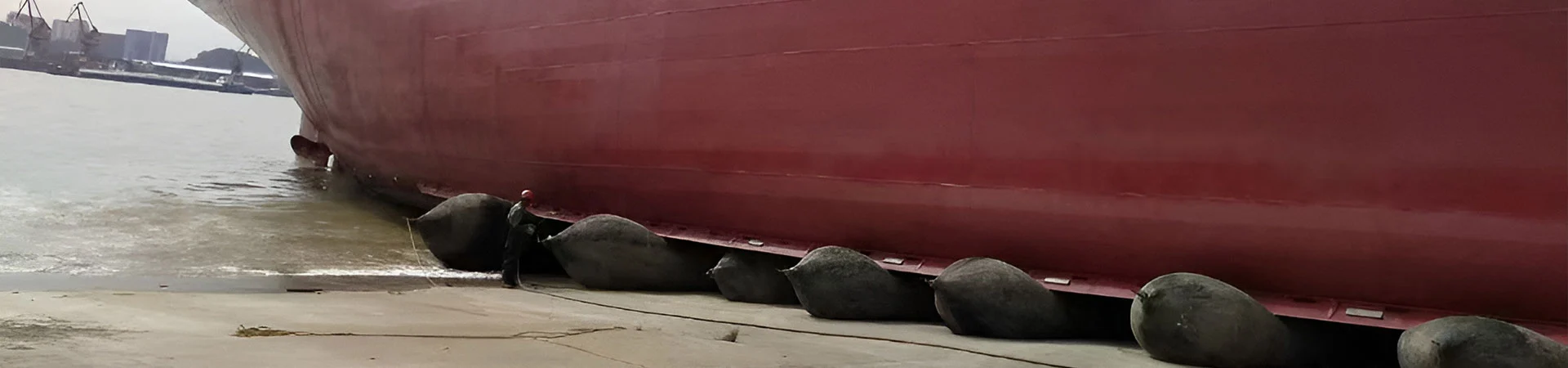
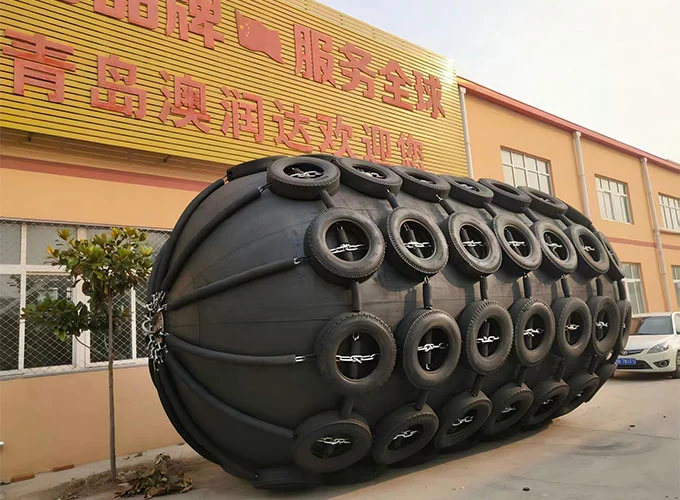
For projects involving different construction requirements, we also manufacture marine airbags and building airbags. Each product is designed for its own application and operating conditions.
At Aorunda, we have been engaged in rubber product manufacturing since 1996. Based in Jimo, Qingdao, we focus on products including rubber inflatable core molds, marine airbags, rubber fenders, and oil berms.
Our manufacturing capabilities are supported by two production bases covering more than 30,000 square meters, approximately RMB 50 million in fixed assets, and a full range of professional rubber production and testing equipment.
For construction projects requiring different mold dimensions or shapes, we support customized production based on technical drawings, dimensions, and actual application requirements. Our manufacturing experience helps us evaluate material structure, reinforcement requirements, and product specifications before production.
Our company has obtained ISO 9001 quality management system certification and CCS (China Classification Society) certification. We are also recognized as a municipal-level technology innovation demonstration enterprise.
With products supplied to domestic engineering enterprises and international markets across Southeast Asia, Europe, Africa, and other regions, we continue to focus on practical manufacturing quality and application-specific rubber solutions.
To learn more about our manufacturing capabilities, visit Aorunda's company profile or explore our product range.
Under normal operating conditions, proper storage, and timely maintenance, our rubber inflatable core molds can be reused dozens of times. Actual reuse frequency depends on inflation pressure, handling practices, construction conditions, and the condition of the rubber surface and reinforcement layer.
Yes. We support customized production for different diameters, lengths, and irregular shapes. You can provide engineering drawings, required dimensions, and construction details so our team can evaluate the appropriate mold structure and specifications.
Secure the mold before pouring by using stirrups, positioning bars, supports, or pressure blocks as required. For larger-diameter molds, closer stirrup spacing may be necessary. We also recommend pouring concrete evenly from both sides to reduce uneven pressure and displacement.
Overpressure can place excessive stress on the rubber surface and internal fiber reinforcement, potentially causing deformation, air leakage, or structural damage. Always use a pressure gauge and stop inflation immediately when the specified working pressure is reached.
The product specification lists an operating temperature of -10°C to +80°C for the inner film adhesive tape. The product performance information also describes practical construction use within -15°C to +80°C. For projects operating near temperature limits, we recommend confirming the suitable specification with our engineering team.
After demolding, clean the surface with water and inspect the product for damage or leakage. Store it in a dry, ventilated, and shaded environment, away from direct sunlight, sharp objects, oil stains, and chemical corrosives. Avoid excessive folding, squeezing, or contact with hard objects that may damage the rubber surface.
Selecting the right rubber inflatable core mold requires matching its dimensions, shape, reinforcement structure, and inflation pressure to the actual concrete forming conditions. At Aorunda, we provide customized rubber core molds for different bridge and precast concrete applications.
Send us your required diameter, length, cross-sectional shape, and project drawings. Our team can help evaluate the suitable specifications for your application.
Phone: +86-532-87511707
Mobile: +86-13697683983
Email: anny@ardfenders.com
Address:No. 60, Kongquehe Fourth Road, Clothing Industrial Park, Jimo District, Qingdao City, Shandong Province, China
Copyright © 2026 Qingdao Aorunda Rubber Industry Co., Ltd. All rights reserved.