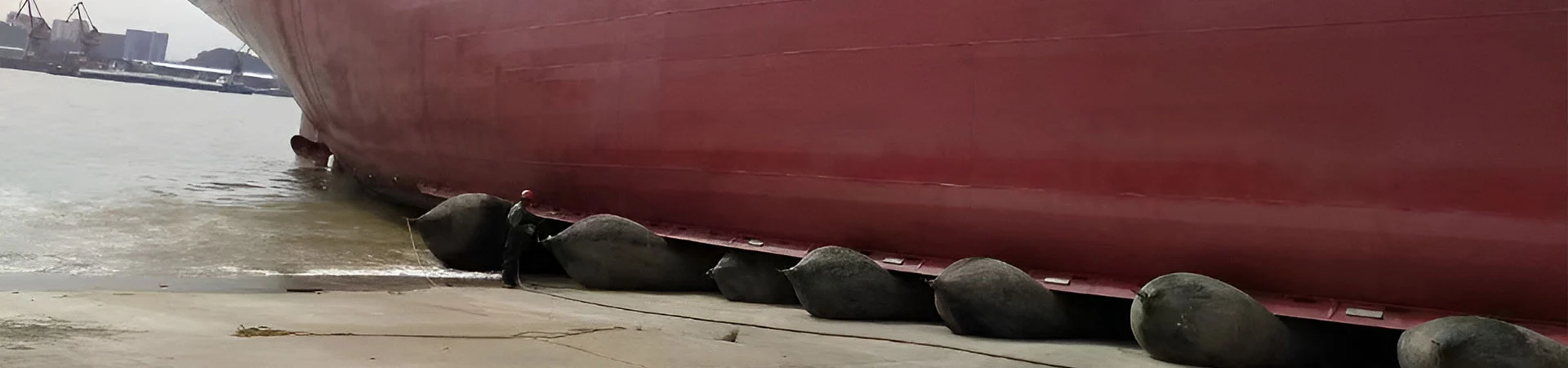
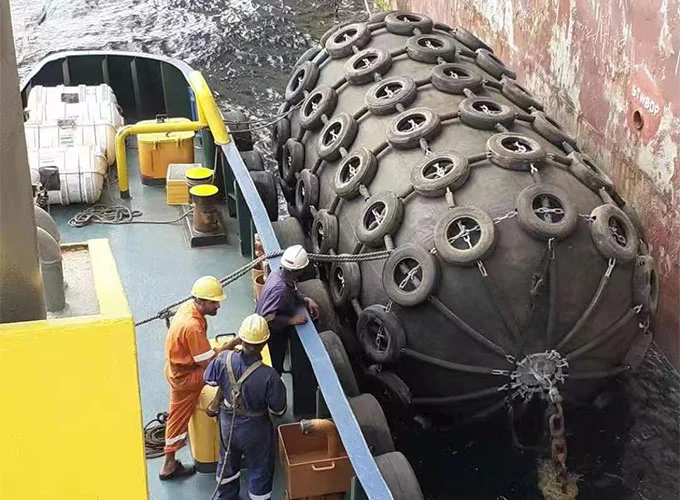
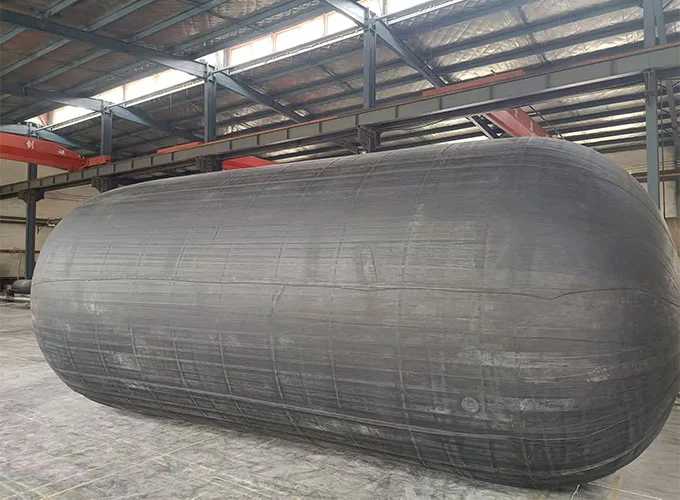
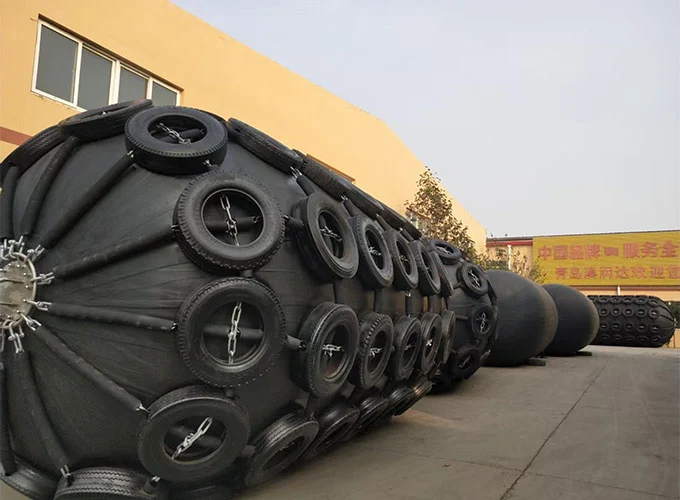
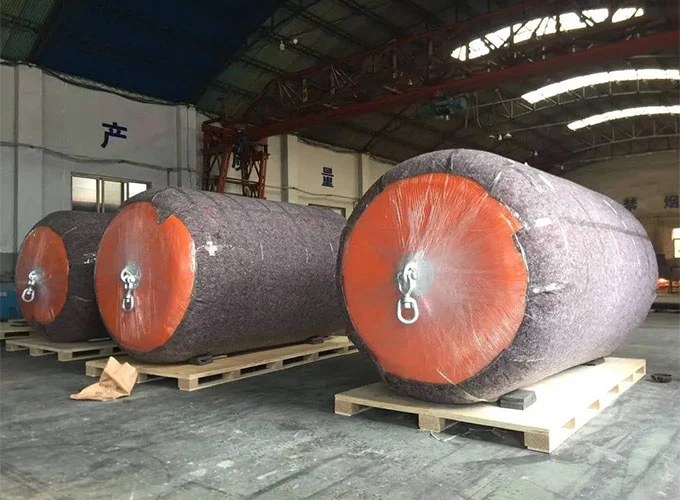
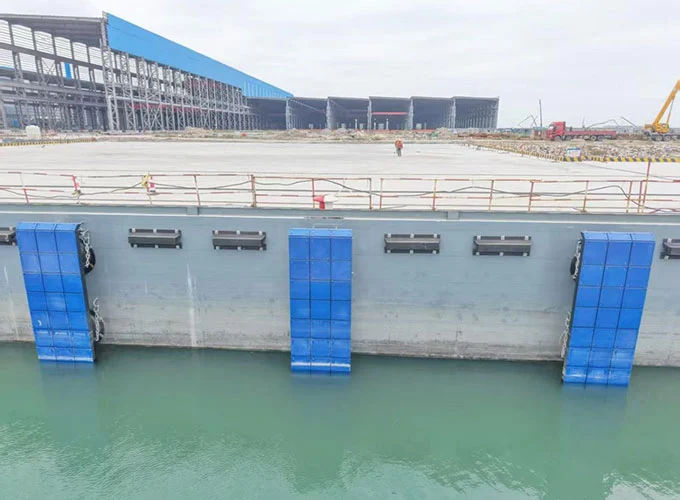
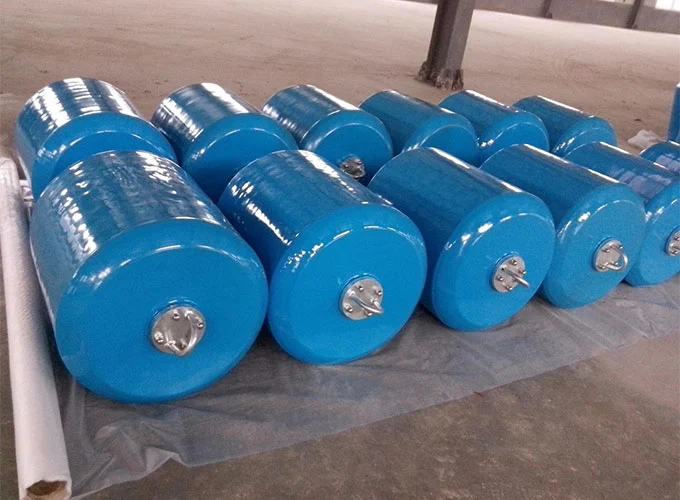
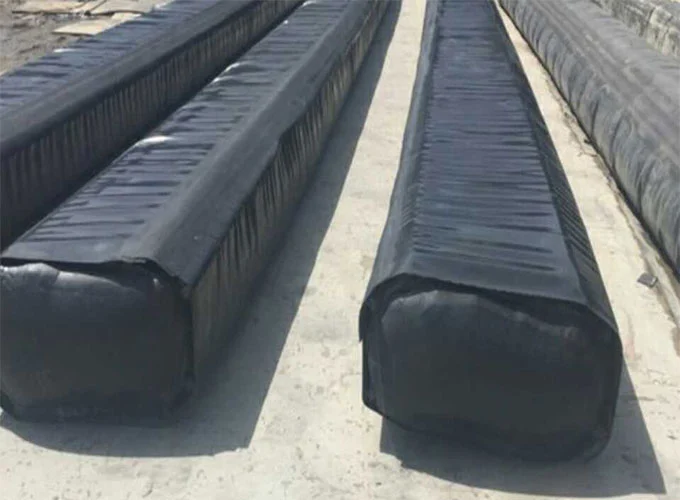
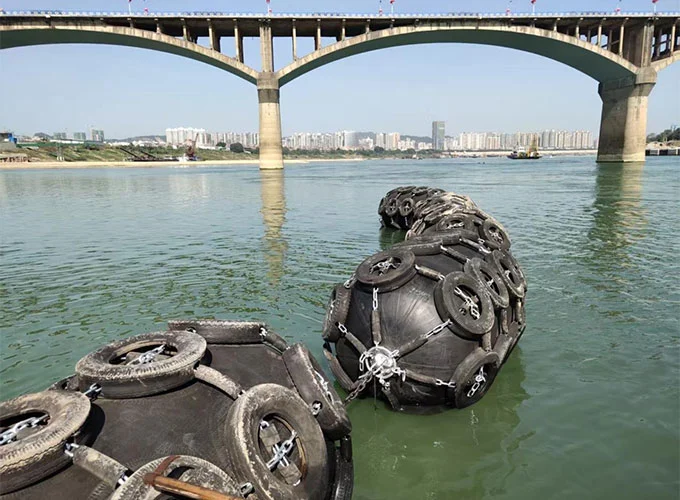
Marine berthing generates considerable impact energy. Without an appropriate fender system, repeated contact between a vessel and a quay, pier, jetty, or loading facility can result in structural damage, hull deformation, excessive maintenance, and costly operational interruptions. High-elasticity solid rubber fenders provide a practical solution by converting a significant portion of impact energy into controlled rubber deformation.
This article explains how solid rubber fenders work, which performance characteristics matter most, how to select a suitable configuration, and how proper installation and maintenance can extend service life. It also highlights common purchasing mistakes and explains how Qingdao Aorunda Rubber Industry Co., Ltd. can support demanding marine protection applications.
Every vessel approaching a berth carries kinetic energy. Even when the berthing speed appears low, the vessel's mass can make the resulting impact substantial. The purpose of a marine fender is not simply to create a physical barrier. It must absorb and distribute impact energy while keeping the reaction force within an acceptable range for both the vessel and the supporting structure.
Elasticity is particularly important because rubber can deform under compression and then recover its original shape. This behavior enables a solid rubber fender to absorb repeated impacts without relying on complex mechanical components.
For ports handling large vessels, frequent berthing, tidal changes, crosswinds, currents, and variable loading conditions can create unpredictable impact situations. A properly engineered high-elasticity fender system provides a durable layer of protection between moving vessels and fixed infrastructure.
A solid rubber fender operates through controlled deformation. When a vessel contacts the fender, the rubber body compresses and changes shape. This deformation absorbs a portion of the vessel's kinetic energy and converts it into elastic strain energy and heat.
As the vessel moves away or the impact load decreases, the rubber gradually returns toward its original geometry. Because the fender is designed for repeated loading, it can accommodate many berthing cycles when properly specified and maintained.
The actual performance depends on rubber formulation, geometry, dimensions, hardness, compression behavior, temperature, loading rate, and installation conditions. For this reason, fender selection should be based on engineering requirements rather than appearance alone.
High-elasticity rubber can absorb substantial berthing energy within a relatively compact structure. This is valuable where berth space is limited or where a strong protective interface is required without unnecessarily increasing the size of the supporting structure.
Fender systems must balance energy absorption with reaction force. Excessive reaction force can transfer unnecessary loads to piles, quay walls, dolphins, or vessel hulls. Properly designed rubber fenders help maintain a controlled load response during compression.
Marine facilities expose rubber products to water, salt spray, sunlight, temperature changes, abrasion, and repeated mechanical loading. Industrial-grade solid rubber fenders are designed to withstand these conditions and maintain dependable physical performance.
Solid rubber construction contains no complicated internal moving mechanism. This reduces the number of components that can malfunction and simplifies routine inspection.
Initial purchase price is only one part of the total cost of a fender system. A durable product that reduces structural damage, replacement frequency, and downtime can provide greater economic value over its operating life.
| Performance Characteristic | Value to the Customer |
|---|---|
| High elasticity | Supports effective impact energy absorption |
| Controlled reaction force | Helps protect berth structures and vessel contact areas |
| Solid construction | Reduces mechanical complexity |
| Environmental resistance | Suitable for demanding outdoor marine environments |
| Recoverable deformation | Supports repeated berthing cycles |
High-elasticity solid rubber fenders can be adapted to many marine and industrial protection requirements. Typical applications include:
The correct configuration depends heavily on vessel size, berthing velocity, approach angle, tidal range, water depth, berth geometry, and structural limitations.
One of the most common customer challenges is choosing a fender based only on dimensions or price. A reliable selection process considers the complete operating environment.
| Factor | What to Evaluate | Why It Matters |
|---|---|---|
| Rubber hardness | Specified hardness range and consistency | Influences deformation and load response |
| Dimensions | Length, width, height, hole arrangement | Determines compatibility with the berth |
| Energy absorption | Expected energy at working deflection | Protects infrastructure during impact |
| Reaction force | Force generated during compression | Controls structural and hull loads |
| Environmental resistance | Water, ozone, UV, temperature, abrasion | Supports long-term field performance |
Even a high-quality fender can suffer premature damage when it is installed incorrectly. The mounting system should distribute loads properly and prevent unwanted movement, twisting, or excessive local stress.
Regular inspection should look for cracks, cuts, abnormal deformation, surface wear, loose fasteners, uneven compression, and changes in the mounting position. Particular attention should be given to areas exposed to concentrated contact or frequent vessel movement.
Keeping inspection records can also help operators identify gradual changes in performance and plan replacement before a serious failure interrupts port operations.
Low upfront cost may become expensive if the product has inadequate performance or a short service life.
A fender must protect both the vessel and the supporting marine structure.
Dimensions should be checked against the actual berth and mounting arrangement.
Seawater, UV exposure, temperature, and abrasion can affect long-term rubber performance.
Qingdao Aorunda Rubber Industry Co., Ltd. focuses on industrial rubber solutions for demanding applications where durability, elasticity, dimensional stability, and reliable performance are important. For marine protection projects, the right fender should be treated as part of the overall protection system rather than as an isolated rubber component.
Working with an experienced manufacturer can help customers evaluate product dimensions, rubber characteristics, installation requirements, and application conditions before placing an order. This approach is particularly valuable for ports, shipyards, marine contractors, engineering companies, and distributors that require customized or project-specific rubber fender solutions.
They are resilient rubber protection components designed to absorb and distribute energy generated when vessels contact marine structures. Their solid construction provides a simple and durable solution for repeated berthing impacts.
They are commonly used on ports, docks, piers, jetties, shipyards, marine dolphins, industrial terminals, and other structures where vessels or floating equipment may make contact.
Important factors include vessel displacement, berthing velocity, approach angle, expected impact energy, allowable reaction force, berth structure, water level, mounting configuration, and environmental conditions.
Many industrial rubber fender systems can be manufactured according to specified dimensions, mounting holes, profiles, rubber characteristics, and application requirements. Customers should provide drawings or detailed operating information for technical evaluation.
Correct product selection, professional installation, appropriate compression limits, routine inspection, proper fastening, and timely replacement of damaged components all contribute to longer and more reliable service.
Buyers should provide vessel information, berth conditions, desired dimensions, installation drawings, expected impact conditions, operating environment, quantity, and any project-specific technical requirements. More complete information allows the manufacturer to recommend a more appropriate solution.
High-elasticity solid rubber fenders play a critical role in controlling the forces generated during vessel berthing. Their value goes beyond impact resistance: a properly selected system can help protect expensive marine infrastructure, reduce vessel contact damage, simplify maintenance, and support safer and more predictable terminal operations.
The most reliable purchasing decision starts with the actual operating conditions. Instead of selecting a fender based solely on price, appearance, or standard dimensions, buyers should evaluate energy absorption, reaction force, rubber characteristics, geometry, installation conditions, and environmental exposure as a complete system.
Looking for high-elasticity solid rubber fenders for a port, dock, shipyard, jetty, or industrial marine project? Qingdao Aorunda Rubber Industry Co., Ltd. can help evaluate your application requirements and develop a suitable rubber protection solution.
Contact us with your specifications, drawings, dimensions, or project requirements to discuss a reliable fender solution for your application.
Phone: +86-532-87511707
Mobile: +86-13697683983
E-mail: anny@ardfenders.com
Address:No. 60, Kongquehe Fourth Road, Clothing Industrial Park, Jimo District, Qingdao City, Shandong Province, China
Copyright © 2026 Qingdao Aorunda Rubber Industry Co., Ltd. All rights reserved.