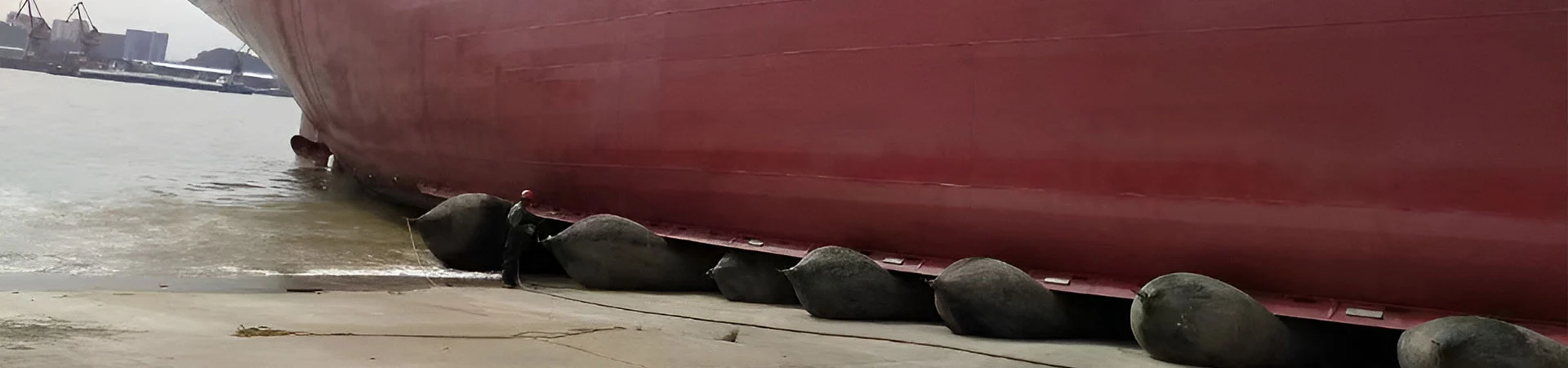
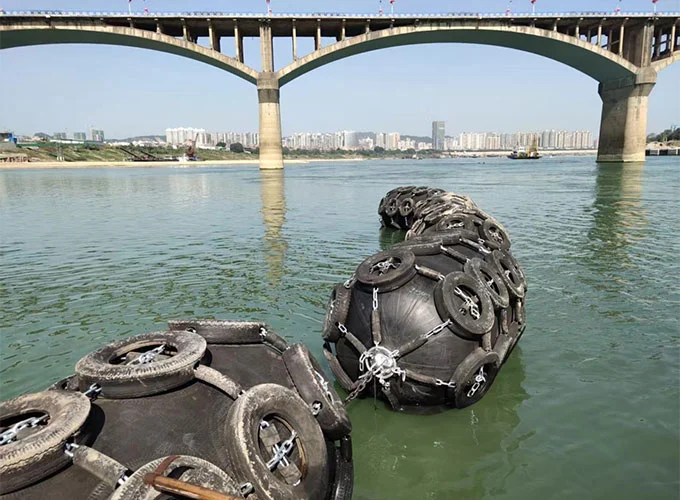
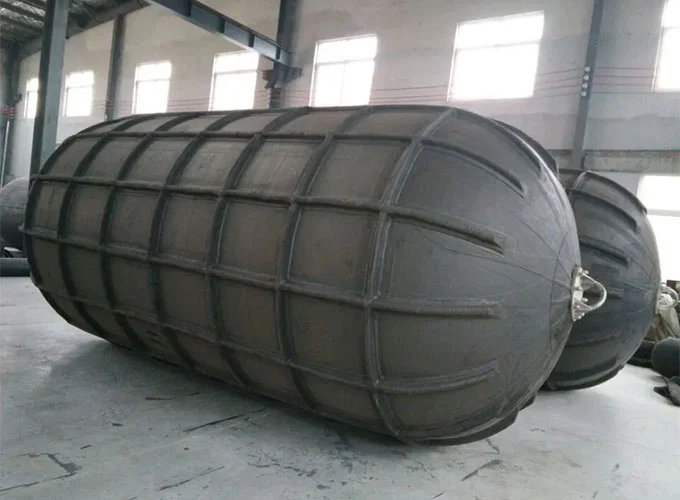
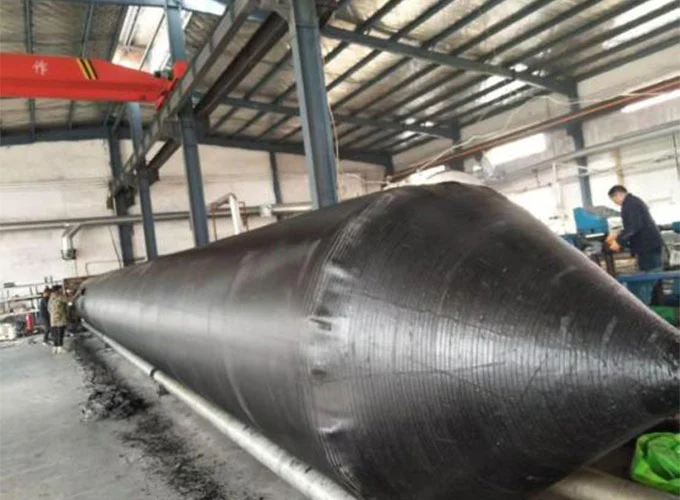
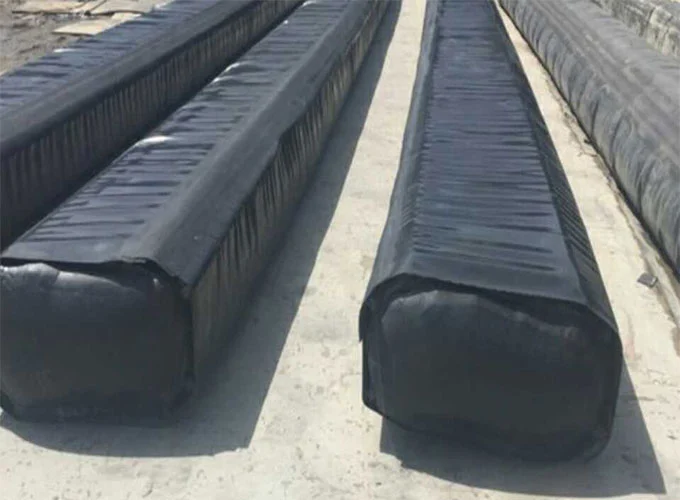
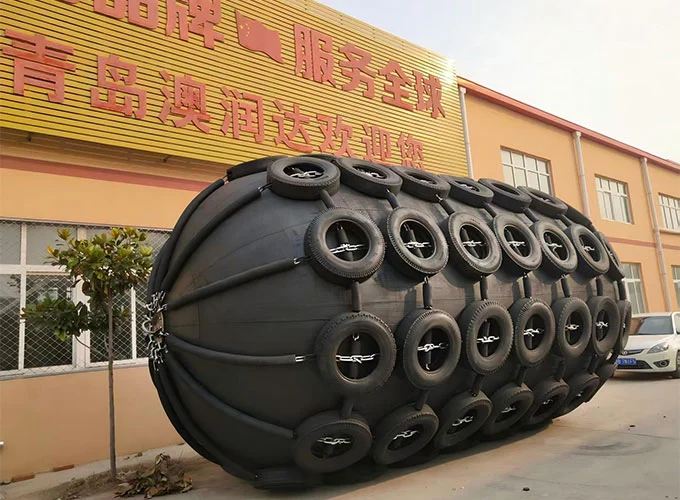
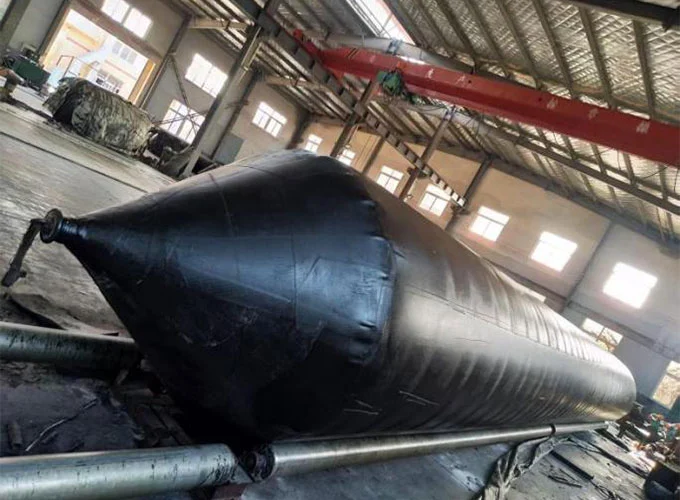
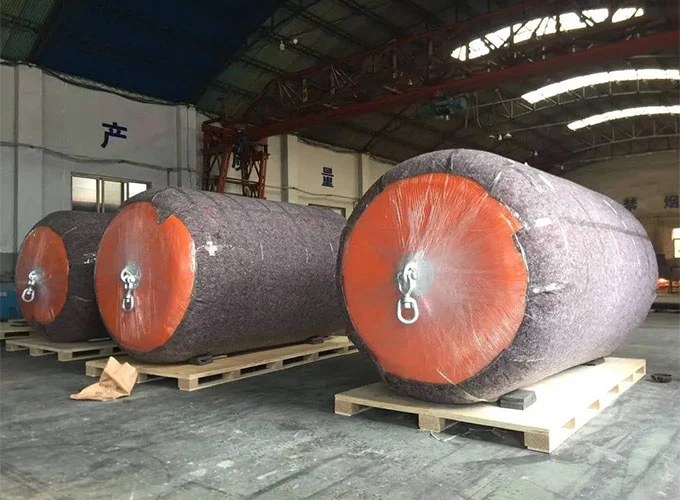
Beyond their core function of ship movement, marine airbags are seeing their application boundaries continuously expand due to their unique advantages of flexible load-bearing and ease of deployment. They are playing an irreplaceable role in various specialized operational scenarios such as salvage, buoyancy assistance, and temporary support.
In the field of emergency salvage and buoyancy assistance, marine airbags are critical rescue tools. When a vessel runs aground or sinks, rescue personnel can submerge large airbags, secure them to the sides or within the compartments of the distressed ship. Through remote-controlled inflation, the immense buoyancy generated by the airbags can help right a capsized vessel or lift a wreck, creating conditions for subsequent operations like pumping water, plugging leaks, and towing. The flexibility and rapid response capability of this method are unmatched by many rigid equipment.
In port engineering and temporary operational support, airbags also excel. They can be used for the installation and positioning of large underwater pipelines, the construction of temporary floating bridges, or as cushioning and leveling devices for offshore construction platforms. Their flexible contact surface effectively protects the hull or engineering structures from damage. Furthermore, during ship repair, airbags can serve as temporary safety supports under the hull, working in conjunction with tools like jacks, enhancing the flexibility and safety of dockyard operations.
From shipyards to the open sea, from routine operations to emergency response, marine airbags have evolved from a single-purpose ship launching tool into a versatile, flexible piece of marine engineering equipment. As the technology matures and engineers gain more experience, their application potential is expected to be further realized.
We use cookies to offer you a better browsing experience, analyze site traffic and personalize content. By using this site, you agree to our use of cookies.Privacy Policy