Marine Inflatable Airbags are increasingly becoming a critical solution in modern ship launching, salvage operations, and heavy marine transportation. These flexible, high-strength rubber airbags are designed to replace traditional launching methods such as slipways, cranes, and dry docks in many applications. By offering a safer, more cost-efficient, and highly adaptable lifting and rolling system, they have transformed how shipyards and offshore engineers handle heavy structures. This article provides a complete guide to Marine Inflatable Airbags, covering their working principles, applications, technical structure, advantages, selection criteria, maintenance practices, and frequently asked questions. It is designed to help shipbuilders, marine engineers, and procurement teams make informed decisions and solve real operational challenges.
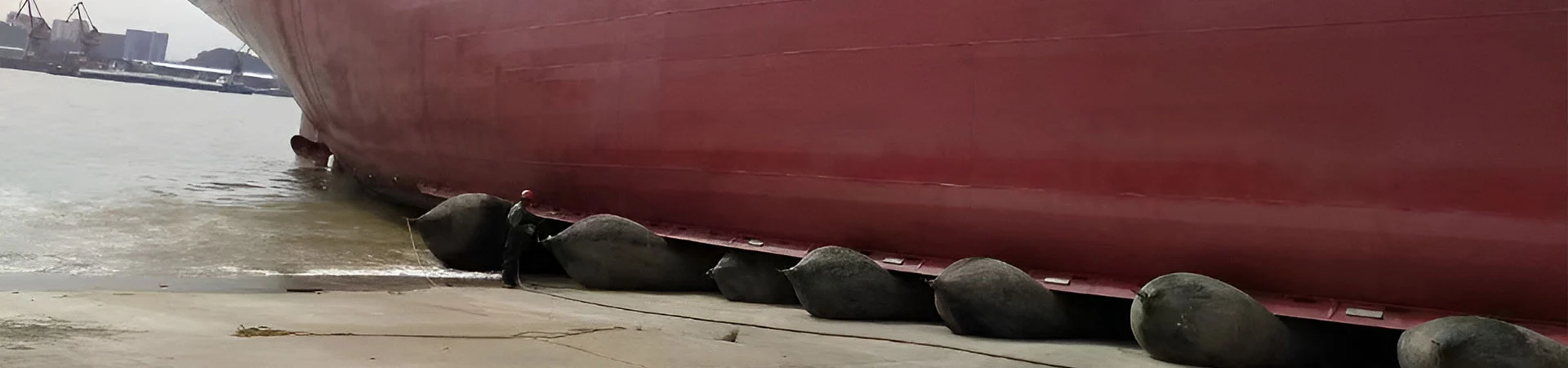
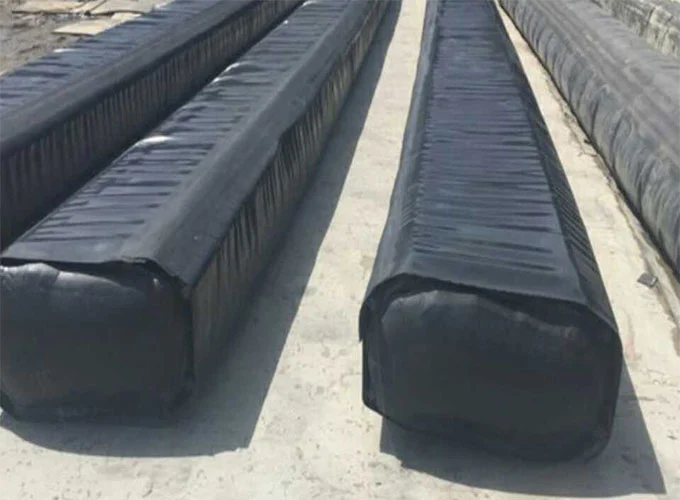
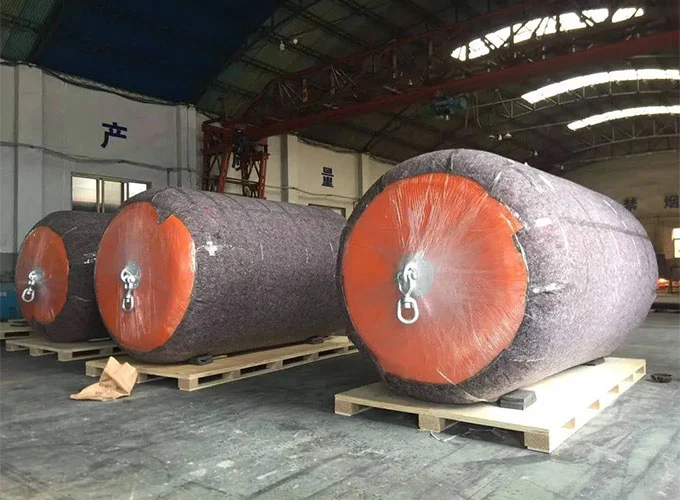
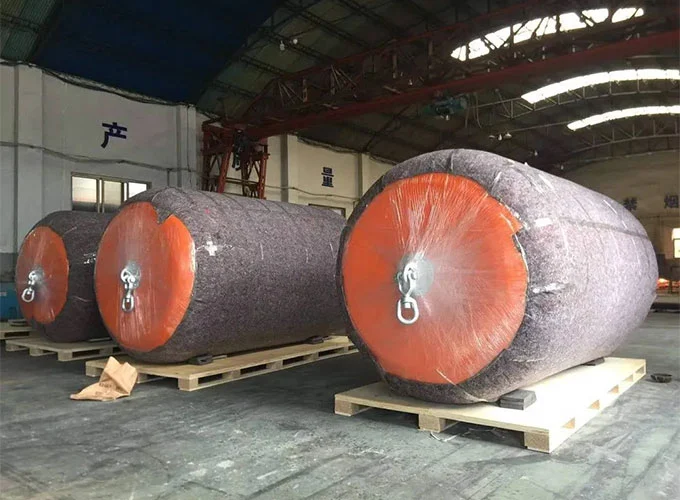
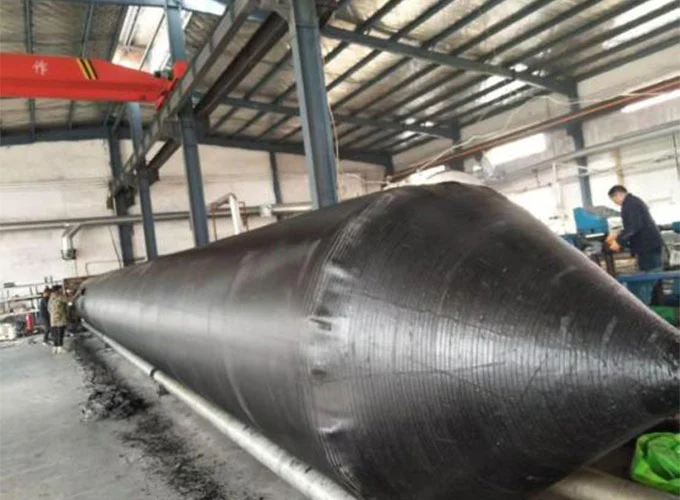
Marine Inflatable Airbags are cylindrical, heavy-duty rubber lifting devices designed to support, move, and launch extremely heavy marine structures such as ships, caissons, and offshore modules. They operate by rolling under load while maintaining controlled pressure, allowing objects weighing hundreds or even thousands of tons to be transported or launched safely.
Unlike rigid lifting systems, these airbags adapt dynamically to surface conditions, making them especially useful in shipyards where infrastructure limitations or cost constraints prevent the use of dry docks or cranes. Their portability and reusability also make them a preferred solution in developing marine industries.
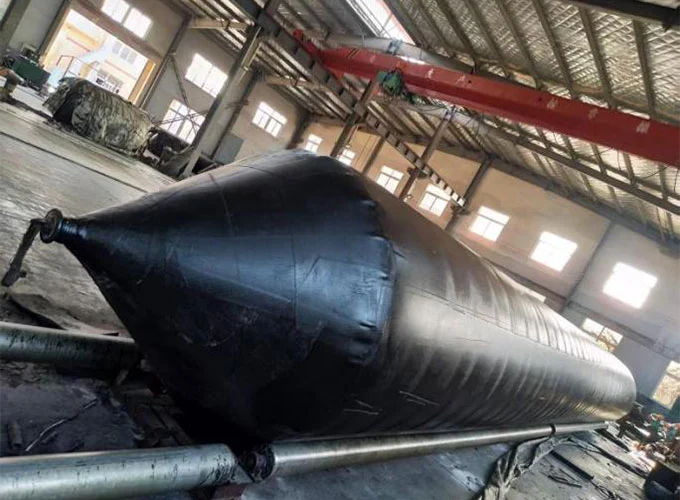
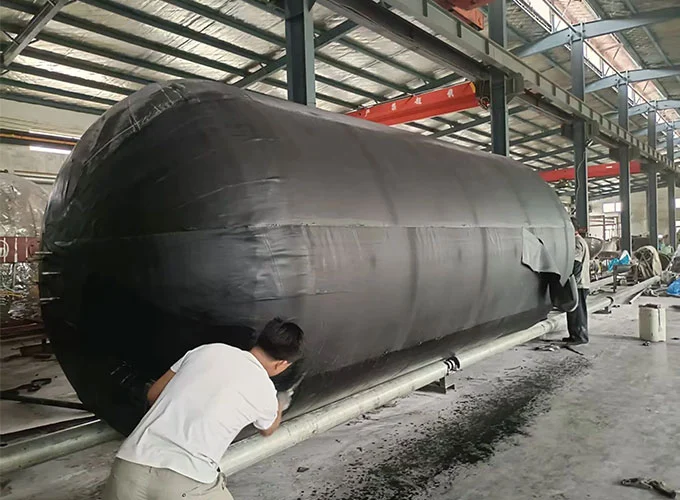
The performance of Marine Inflatable Airbags depends heavily on their material composition and engineering design. They are typically constructed using multiple layers of reinforced synthetic tire cord fabric combined with high-strength rubber.
This layered structure allows the airbags to withstand extreme pressure while maintaining flexibility and durability in harsh marine environments.
| Component | Function | Key Benefit |
|---|---|---|
| Outer Rubber | Protects against abrasion | Extends service life |
| Reinforcement Layer | Handles tensile load | High load capacity |
| Inner Rubber | Maintains air pressure | Leak prevention |
The working principle of Marine Inflatable Airbags is based on controlled rolling motion combined with pneumatic pressure support. When inflated, the airbags become rigid enough to support heavy loads, yet remain flexible enough to roll under the structure.
As air pressure increases, the load is gradually lifted. Workers then guide the object as the airbags rotate, creating a continuous movement system that reduces friction and eliminates the need for fixed rails or cranes.
This mechanism allows for precise control during ship launching, reducing sudden stress points and minimizing structural damage risks.
Marine Inflatable Airbags are widely used across multiple sectors of marine engineering and offshore operations.
Their versatility makes them suitable for both small shipyards and large-scale industrial ports where flexibility is essential.
Compared with conventional ship launching systems, Marine Inflatable Airbags offer significant operational and financial advantages.
These benefits make them an increasingly preferred solution for modern shipyards seeking cost-effective modernization.
Choosing the correct Marine Inflatable Airbags is essential for operational safety and efficiency. Several technical parameters must be considered:
Below is a simplified selection reference table:
| Ship Weight Range | Recommended Airbag Diameter | Usage Scenario |
|---|---|---|
| Up to 500 tons | 0.8m - 1.0m | Small vessels, barges |
| 500 - 2000 tons | 1.0m - 1.5m | Medium shipyards |
| 2000+ tons | 1.5m - 2.5m | Large ship launching projects |
Proper maintenance of Marine Inflatable Airbags is crucial for ensuring long service life and safe operation.
Safety protocols should always include pressure monitoring and controlled load distribution during operations.
To better understand the value of Marine Inflatable Airbags, it is useful to compare them with traditional launching systems.
| Feature | Inflatable Airbags | Dry Dock / Cranes |
|---|---|---|
| Cost | Low | Very High |
| Flexibility | High | Limited |
| Setup Time | Fast | Slow |
| Maintenance | Simple | Complex |
This comparison clearly shows why inflatable systems are becoming more widely adopted across global shipyards.
Although Marine Inflatable Airbags are highly efficient, certain operational challenges may arise.
Addressing these challenges ensures consistent performance and extended equipment lifespan.
Q1: How long do Marine Inflatable Airbags last?
With proper maintenance, they can last several years of repeated industrial use.
Q2: Are they safe for large ship launching?
Yes, when correctly selected and operated within rated pressure limits, they are highly safe.
Q3: Can they be reused?
Absolutely. They are designed for multiple cycles of inflation and heavy load operations.
Q4: Do they work on uneven terrain?
Yes, their flexible structure allows adaptation, but preparation of the surface improves efficiency.
Q5: What industries use them besides shipbuilding?
Offshore engineering, salvage operations, and heavy logistics industries also use them.
Marine Inflatable Airbags represent a transformative solution in marine engineering, offering flexibility, cost efficiency, and high-load capability for modern industrial applications. Their ability to replace or supplement traditional launching systems makes them an essential tool for shipyards seeking innovation and operational efficiency.
From ship launching to emergency salvage operations, their versatility continues to expand across global maritime industries.
Qingdao Aorunda Rubber Industry Co., Ltd. is committed to providing high-quality Marine Inflatable Airbags engineered for durability, safety, and performance under demanding conditions.
If you are looking for reliable marine lifting solutions tailored to your project requirements, please feel free to contact us for technical consultation, pricing, and customized solutions. Our team is ready to support your marine engineering needs with professional expertise and responsive service.
Phone: +86-532-87511707
Mobile: +86-13697683983
E-mail: anny@ardfenders.com
Address:No. 60, Kongquehe Fourth Road, Clothing Industrial Park, Jimo District, Qingdao City, Shandong Province, China
Copyright © 2026 Qingdao Aorunda Rubber Industry Co., Ltd. All rights reserved.