Follow Us:

News

How Do Port Polyurethane Fenders Improve Safety and Efficiency in Modern Harbor Operations?

2026-08-20 0 Leave me a message

Ports operate under constant pressure from vessel movements, heavy loads, changing weather conditions, and strict safety requirements. Choosing the right marine protection system is essential for preventing damage and reducing long-term maintenance costs. Port polyurethane fenders have become an advanced solution for modern docks because of their excellent impact absorption, durability, corrosion resistance, and low maintenance requirements. This article explains how polyurethane fenders work, why they outperform traditional options in many applications, and how businesses can select the right solution for their port projects.

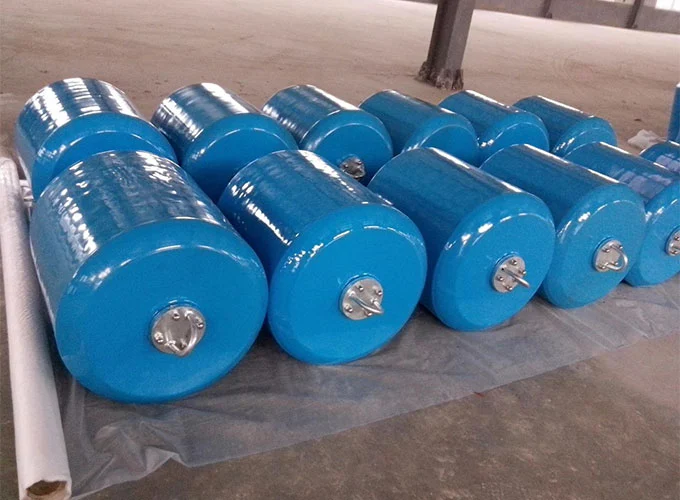
Port polyurethane fenders


Table of Contents


Understanding the Importance of Port Polyurethane Fenders

Modern ports are critical transportation hubs connecting global trade networks. Every day, thousands of vessels approach docks, terminals, and offshore platforms under different operating conditions. During berthing, even a carefully controlled vessel movement creates significant impact forces between the ship and the dock structure.

Without an effective protection system, repeated vessel impacts can damage quay walls, loading platforms, ship hulls, and other valuable infrastructure. This is why port operators rely on high-performance fender systems to absorb energy and control contact forces.

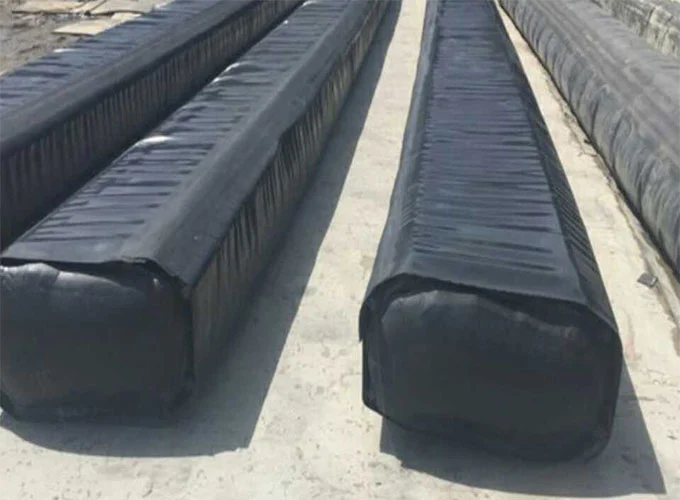
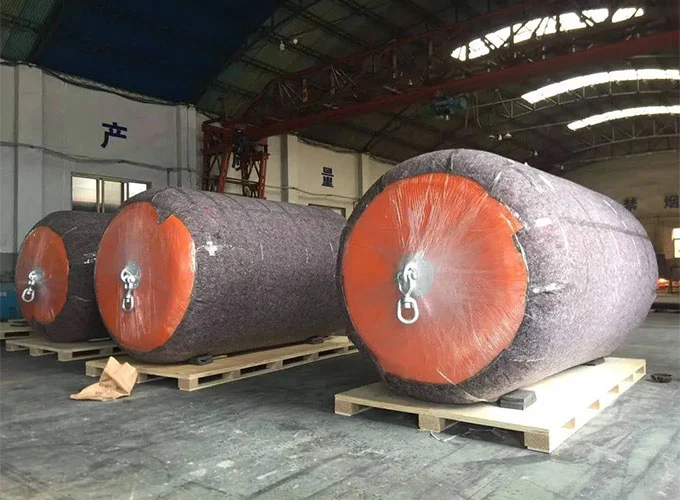
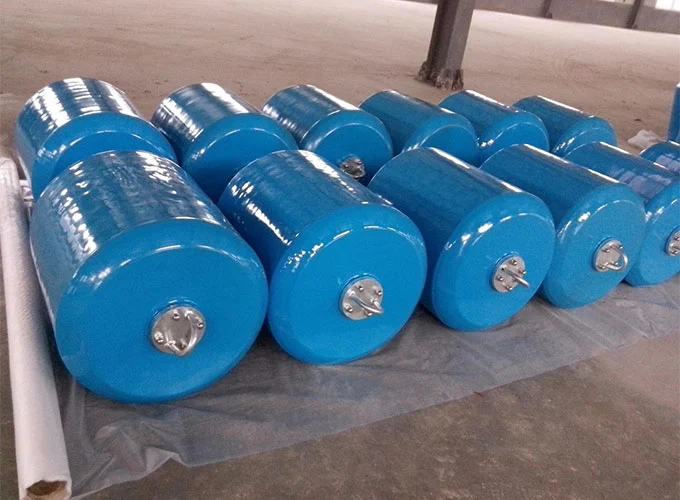
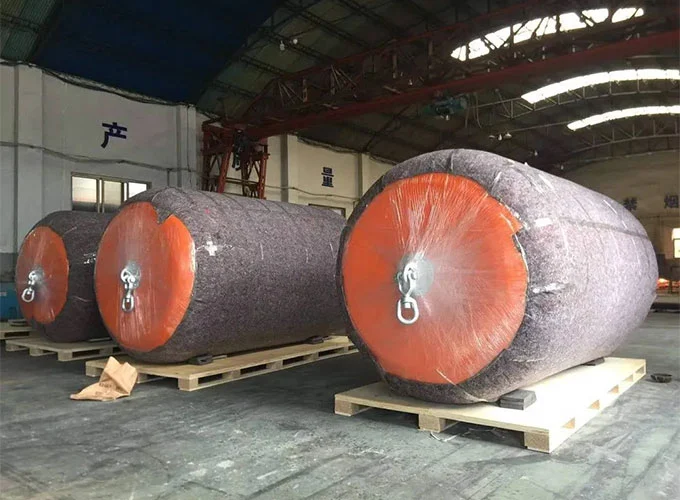
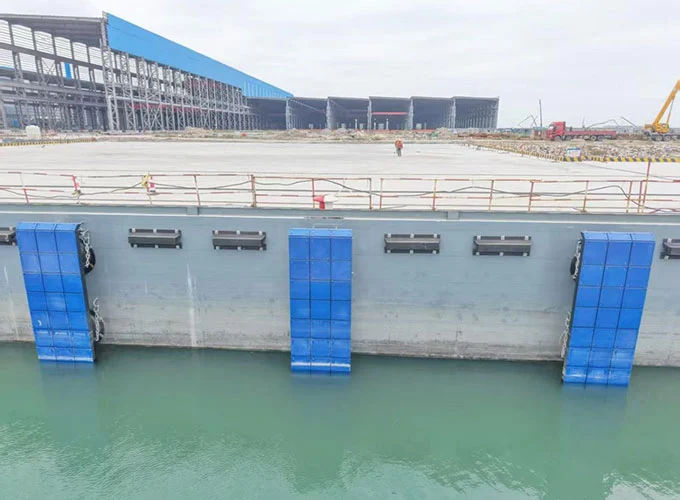
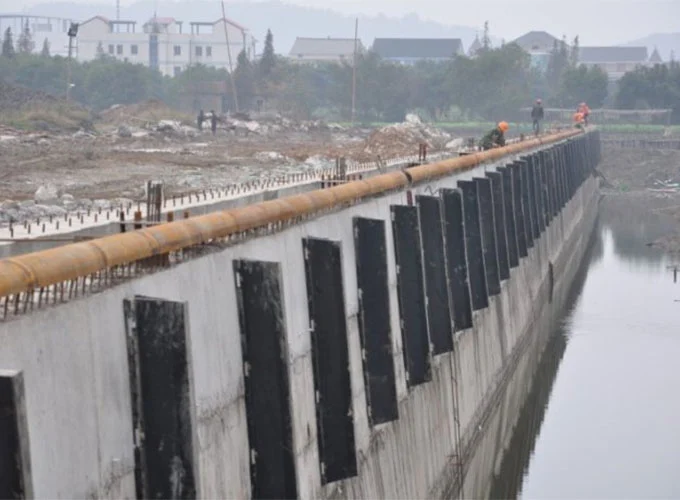
Port polyurethane fenders are engineered marine protection products designed to absorb berthing energy while maintaining stable performance in harsh environments. Made from specially formulated polyurethane materials, these fenders provide excellent elasticity, mechanical strength, and resistance against aging.

Compared with conventional protection materials, polyurethane offers unique advantages for demanding port applications. It maintains performance under exposure to seawater, sunlight, temperature changes, and continuous mechanical stress.


What Problems Do Traditional Port Protection Systems Create?

Before selecting a marine fender solution, port owners need to understand the common challenges affecting traditional systems. Poor protection choices may result in higher operational costs and unexpected downtime.

Common Challenge Impact on Port Operations How Polyurethane Fenders Help
High impact forces during vessel berthing Damage to ships and docking structures Provides efficient energy absorption and controlled reaction force
Seawater corrosion and harsh environments Shorter product lifespan and frequent replacement Excellent resistance against moisture, salt, and weather exposure
Frequent maintenance requirements Higher labor and operation expenses Long service life with reduced maintenance needs
Unstable performance under different temperatures Reduced reliability in extreme climates Maintains mechanical properties across wide temperature ranges

For port developers and marine engineering companies, choosing a durable fender system is not only about immediate protection. It is also a strategic investment that affects operational safety, maintenance budgets, and infrastructure lifespan.


Key Advantages of Using Port Polyurethane Fenders

The growing demand for polyurethane marine products comes from their ability to solve many limitations found in traditional protection systems. High-quality port polyurethane fenders combine advanced material technology with practical engineering performance.

Superior Energy Absorption Performance

The primary purpose of a marine fender is absorbing kinetic energy generated when a vessel approaches a berth. Polyurethane materials provide excellent compression recovery and energy absorption characteristics, helping reduce the force transferred to both vessels and port structures.

This feature is particularly important for large commercial vessels, container ships, oil tankers, and offshore platforms where even minor structural damage can result in significant repair expenses.

Outstanding Durability in Marine Environments

Ports expose equipment to some of the most challenging conditions in industry. Saltwater, humidity, ultraviolet radiation, and continuous mechanical loading can accelerate material degradation.

Polyurethane fenders are designed to withstand these environmental stresses. Their molecular structure provides strong resistance against abrasion, corrosion, and aging, making them suitable for long-term outdoor marine applications.

Lower Maintenance Requirements

Maintenance interruptions can reduce port productivity. A reliable fender system should provide stable performance without requiring frequent inspections or replacements.

Because polyurethane materials maintain their physical properties over extended periods, port operators can reduce maintenance frequency and improve overall operational efficiency.

Flexible Design Options

Different ports have different requirements depending on vessel size, berth design, tidal conditions, and operational frequency. Polyurethane fenders can be manufactured in various shapes, sizes, and performance specifications.

  • Customized dimensions for different berth structures
  • Various hardness levels according to impact requirements
  • Different mounting designs for installation flexibility
  • Solutions for commercial ports, shipyards, and offshore facilities

Where Are Port Polyurethane Fenders Commonly Used?

Port polyurethane fenders are widely applied across multiple marine industries because of their reliability and adaptability.

Application Area Main Requirements Benefits of Polyurethane Fenders
Container Terminals Frequent vessel berthing and high impact loads Reliable protection during intensive operations
Oil and Gas Terminals High safety standards and harsh environments Stable performance and long service life
Shipyards Protection during ship repair and construction Flexible installation and strong impact resistance
Offshore Platforms Extreme marine conditions Excellent weather and corrosion resistance

How to Select the Right Polyurethane Fender for Port Projects?

Selecting the correct fender requires careful evaluation of several technical factors. A product that works well for a small dock may not provide sufficient protection for a large commercial terminal.

  • Vessel Characteristics: Consider ship size, displacement, approach speed, and berthing frequency.
  • Energy Absorption Capacity: Choose a fender capable of handling expected impact energy.
  • Reaction Force: Ensure the force transferred to the structure remains within safe limits.
  • Environmental Conditions: Evaluate seawater exposure, temperature range, and installation location.
  • Installation Requirements: Check mounting methods and compatibility with existing structures.

Working with an experienced manufacturer helps ensure the selected fender matches the engineering requirements of the project.


Polyurethane Fenders vs Rubber Fenders: A Detailed Comparison

Both polyurethane fenders and traditional rubber fenders are widely used in marine protection systems. However, differences in material structure create different performance characteristics. Understanding these differences helps port owners and marine engineers make more suitable purchasing decisions.

Comparison Factor Polyurethane Fenders Traditional Rubber Fenders
Material Performance High elasticity, excellent recovery ability, and strong resistance to aging Good elasticity but may experience faster aging under harsh conditions
Environmental Resistance Excellent resistance against seawater, UV exposure, oil, and chemicals May require additional protection depending on the operating environment
Maintenance Frequency Lower maintenance requirements and longer service intervals May require more frequent inspection and replacement
Customization Easy adjustment of shape, hardness, and size according to project needs Customization options may be more limited
Long-Term Value Reduced replacement costs due to extended durability Potentially higher lifecycle costs in demanding applications

Although rubber fenders remain a practical choice for many marine applications, polyurethane fenders are increasingly preferred for projects requiring longer service life, improved reliability, and reduced maintenance expenses.


Installation and Maintenance Considerations

Proper installation is essential for achieving the expected performance of port polyurethane fenders. Even high-quality materials cannot perform effectively if the installation design does not match the operational conditions.

Important Installation Factors

  • Accurate Positioning: Fender placement should match vessel contact points to provide maximum protection.
  • Correct Fixing Methods: Bolts, brackets, and mounting systems should be selected according to load requirements.
  • Professional Engineering Assessment: Installation should consider berth structure, vessel movement, and impact calculations.
  • Regular Inspection: Periodic checks help identify unusual wear or installation issues early.

Recommended Maintenance Practices

One major advantage of polyurethane fenders is their low maintenance demand. However, regular inspection remains important for ensuring long-term reliability.

Inspection Item Recommended Action
Surface Condition Check for cracks, excessive wear, or abnormal deformation
Mounting Components Verify bolts and connection systems remain secure
Performance Changes Monitor unusual impact behavior during vessel berthing
Environmental Exposure Evaluate long-term effects from seawater and climate conditions

Why Manufacturing Quality Matters for Port Fender Performance?

The performance of a port polyurethane fender depends not only on the material itself but also on manufacturing technology, quality control procedures, and engineering experience.

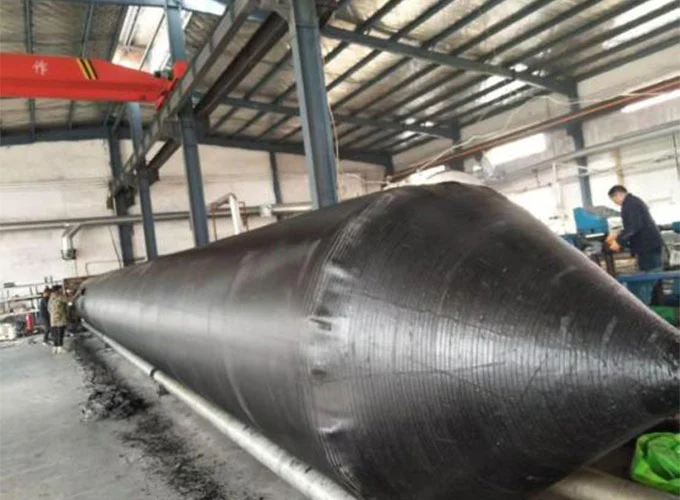
A reliable manufacturer should understand marine application requirements and provide products that meet practical operating conditions. Factors such as polyurethane formulation, production accuracy, dimensional consistency, and testing processes directly influence product reliability.

Qingdao Aorunda Rubber Industry Co., Ltd. focuses on developing and manufacturing high-performance rubber and polyurethane products designed for demanding industrial applications. Through advanced production technology and strict quality management, the company provides durable solutions that help customers improve safety and operational efficiency in marine environments.

When selecting a port polyurethane fender supplier, customers should evaluate:

  • Manufacturing experience and technical capability
  • Material quality and production standards
  • Customization ability for different marine projects
  • Product consistency and reliability
  • Professional technical support before and after delivery

Frequently Asked Questions

What are port polyurethane fenders used for?

Port polyurethane fenders are used to protect vessels and docking structures during berthing operations. They absorb impact energy and reduce damage caused by vessel contact with docks, terminals, and offshore structures.

Why are polyurethane fenders suitable for marine environments?

Polyurethane fenders provide excellent resistance to seawater, corrosion, weather exposure, and mechanical stress. These properties make them suitable for long-term use in ports and offshore applications.

How long can a polyurethane port fender last?

The service life depends on operating conditions, installation quality, vessel impact frequency, and maintenance practices. High-quality polyurethane fenders can provide long-term performance when properly selected and installed.

Can polyurethane fenders be customized?

Yes. Manufacturers can customize polyurethane fenders according to required dimensions, hardness, energy absorption capacity, installation methods, and specific project conditions.

How do polyurethane fenders reduce port maintenance costs?

Their strong resistance to wear, aging, and environmental damage helps reduce replacement frequency and repair requirements, resulting in lower overall lifecycle costs.

How should companies choose a reliable polyurethane fender manufacturer?

Companies should consider manufacturing experience, product quality, customization capability, technical support, and the ability to provide solutions suitable for specific marine environments.


Conclusion: Choosing the Right Port Polyurethane Fender for Long-Term Marine Protection

Port operations require reliable protection systems that can handle continuous vessel impact, challenging environmental conditions, and strict safety requirements. Port polyurethane fenders provide an effective solution by combining high energy absorption, durability, corrosion resistance, and low maintenance advantages.

For port developers, shipyards, and marine engineering companies, selecting the right fender system is an important investment in operational safety and infrastructure protection. A well-designed polyurethane fender solution can help extend equipment lifespan, reduce unexpected downtime, and improve overall efficiency.

With professional manufacturing experience and a commitment to quality, Qingdao Aorunda Rubber Industry Co., Ltd. provides dependable marine protection products for customers seeking durable and customized solutions.


Contact Us for Reliable Port Protection Solutions

Looking for durable and high-performance Port Polyurethane Fenders for your marine project? Qingdao Aorunda Rubber Industry Co., Ltd. is ready to provide professional solutions tailored to your operational requirements.

Whether you need customized designs, technical consultation, or reliable supply support, our experienced team can help you select the right polyurethane fender system for your port applications.

Contact us today to discuss your project needs and discover how our advanced polyurethane solutions can improve safety, efficiency, and long-term value for your marine operations.

Related News
Leave me a message
X
We use cookies to offer you a better browsing experience, analyze site traffic and personalize content. By using this site, you agree to our use of cookies.Privacy Policy