Follow Us:

News

Why Are Marine Polyurethane Fenders Essential for Modern Port Protection?

2026-06-29 0 Leave me a message

Marine ports, docks, and offshore structures are constantly exposed to harsh environmental conditions and mechanical impacts from vessels. Marine polyurethane fenders have become a critical solution for absorbing energy, reducing structural damage, and improving operational safety. This article explores their working principles, advantages, applications, selection guide, installation methods, maintenance practices, and industry use cases to help you make informed procurement and engineering decisions.

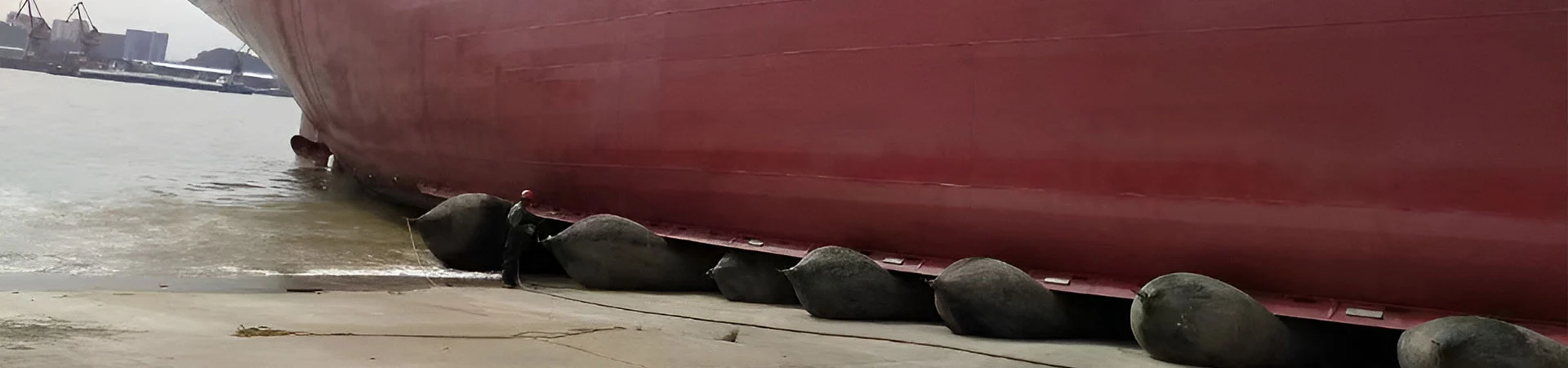
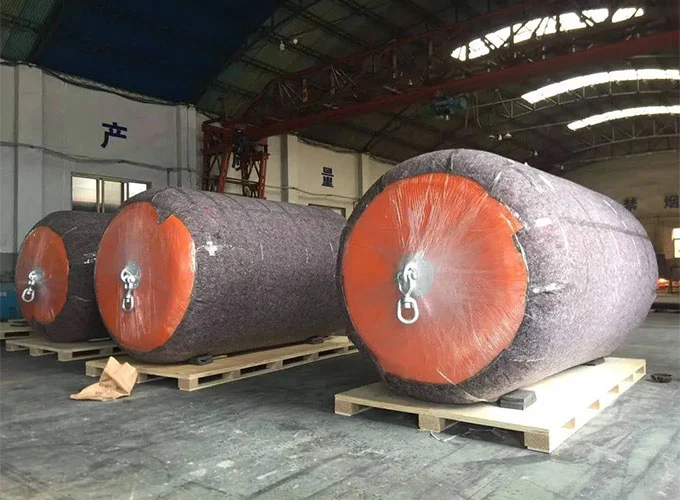
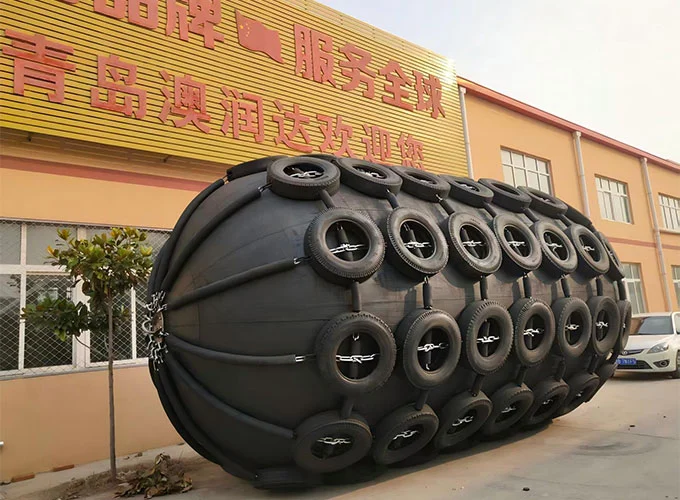
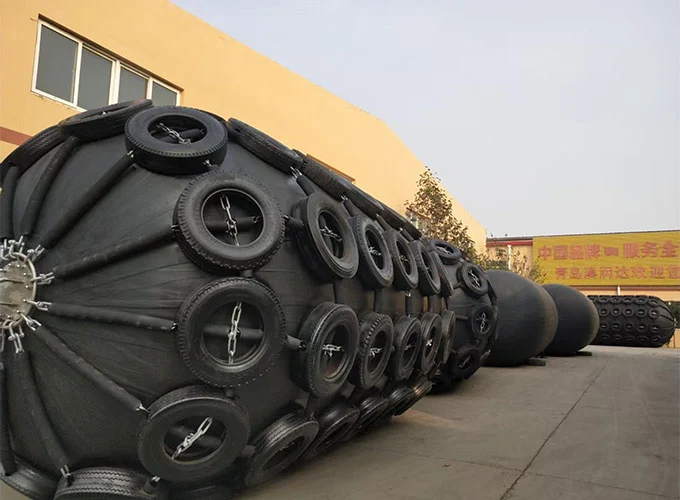
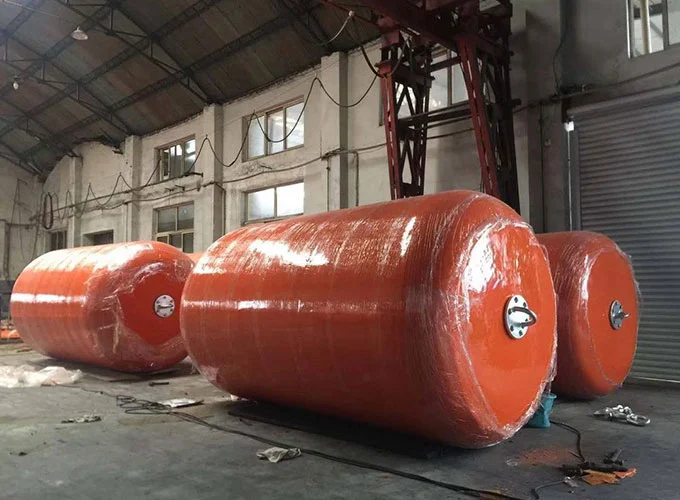
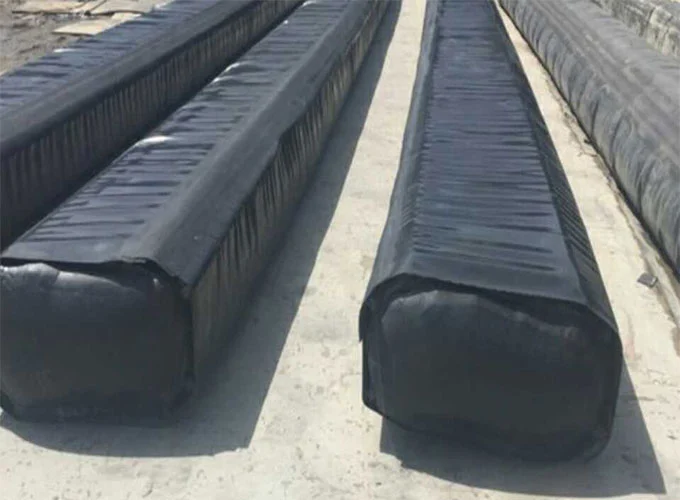
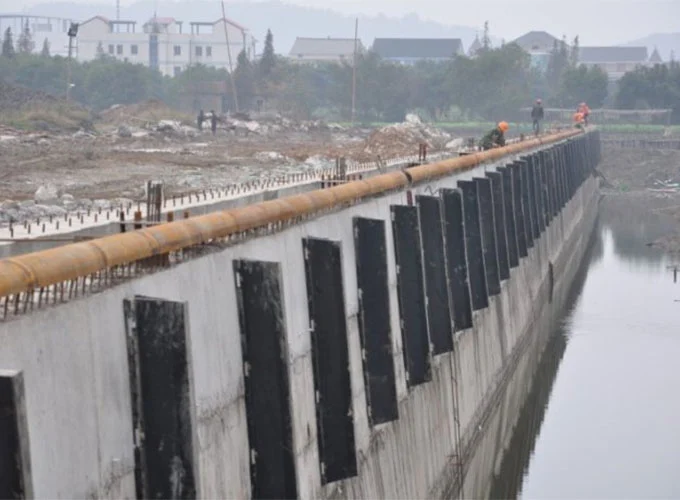
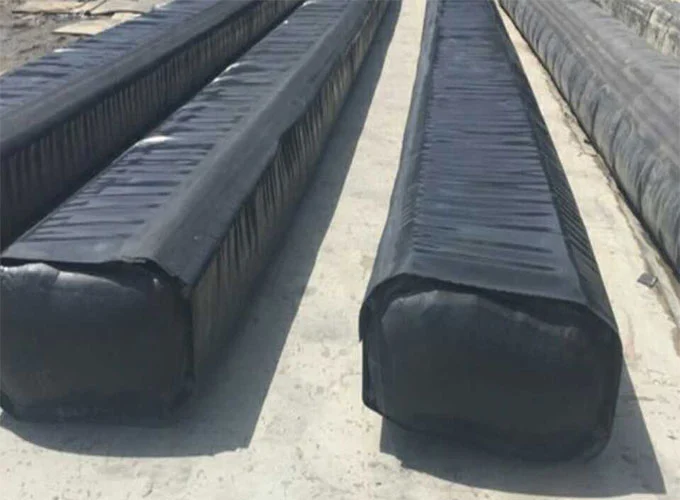
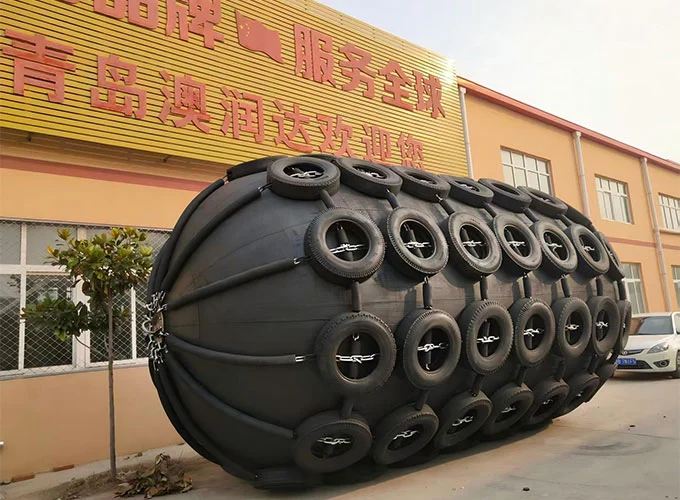
Marine polyurethane fenders


Table of Contents


1. Introduction: The Growing Need for Advanced Fender Systems

Modern maritime infrastructure is expanding rapidly due to global trade, container shipping growth, and offshore energy development. With increasing vessel size and berthing velocity, traditional dock protection systems are often no longer sufficient.

Marine polyurethane fenders have emerged as a next-generation solution designed to handle higher impact energy while maintaining durability under extreme marine conditions. They are widely used in ports, terminals, offshore platforms, and ship-to-ship operations where safety and efficiency are critical.

Unlike conventional rubber or timber systems, polyurethane-based solutions provide superior energy absorption, lower deformation, and longer service life, making them ideal for modern marine engineering requirements.


2. Key Challenges in Marine Berthing Operations

Ports and harbors face several persistent challenges when managing vessel docking and mooring operations:

  • High Impact Energy: Large vessels generate significant kinetic energy during berthing.
  • Corrosion Environment: Saltwater accelerates material degradation.
  • Weather Exposure: UV radiation, storms, and temperature fluctuations affect structural integrity.
  • Maintenance Costs: Frequent repairs and replacements increase operational expenses.
  • Safety Risks: Dock and vessel damage can lead to accidents and cargo loss.

These challenges demand advanced protective systems capable of withstanding repeated stress while minimizing lifecycle costs.


3. What Are Marine Polyurethane Fenders?

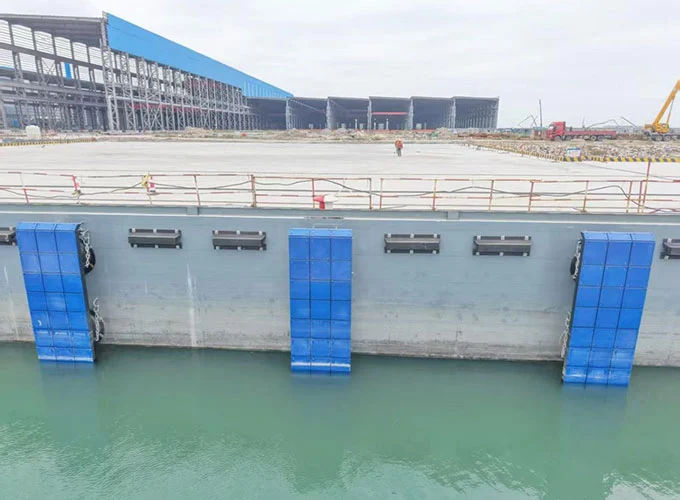
Marine polyurethane fenders are energy-absorbing structures installed on docks, quays, and vessels to protect both ships and port infrastructure during berthing operations. They are made from high-performance polyurethane elastomers designed to withstand heavy compression, abrasion, and environmental exposure.

The core function of these fenders is to absorb and dissipate kinetic energy when a vessel makes contact with a berth, thereby reducing impact force and preventing structural damage.

Compared with traditional rubber systems, polyurethane fenders offer enhanced resilience, better wear resistance, and improved load distribution characteristics.


4. Core Advantages of Polyurethane Fender Systems

Marine polyurethane fenders provide a wide range of engineering and operational benefits:

  • High Energy Absorption: Efficiently reduces impact force during vessel docking.
  • Superior Abrasion Resistance: Performs well under repeated friction and contact.
  • Corrosion Resistance: Unaffected by saltwater and most marine chemicals.
  • UV Stability: Maintains performance under long-term sun exposure.
  • Lightweight Structure: Easier installation and reduced structural load.
  • Long Service Life: Lower replacement frequency reduces lifecycle costs.
  • Low Maintenance: Minimal upkeep compared to traditional systems.

These advantages make polyurethane fenders a preferred solution in high-traffic ports and offshore facilities worldwide.


5. Types and Structural Variations

Marine polyurethane fenders are available in multiple designs depending on application requirements:

Type Description Typical Use
Cylindrical Fender Simple tubular design offering uniform energy absorption Small to medium docks
Arch Fender High stability and excellent load distribution Container terminals
Cell Fender Heavy-duty design for large vessels Major ports and offshore platforms
Floating Fender Adjusts with tide levels for flexible protection Harbors with tidal variation
Custom Molded Fender Engineered for specific vessel or dock geometry Specialized marine projects

Each type is engineered for specific operational conditions, ensuring optimal performance across different marine environments.


6. Polyurethane vs Traditional Fender Materials

To understand the value of polyurethane systems, it is important to compare them with conventional materials:

Feature Polyurethane Fenders Rubber Fenders Wooden Fenders
Energy Absorption Very High Moderate Low
Durability Excellent Good Poor
Corrosion Resistance Excellent Good Poor
Maintenance Requirement Low Medium High
Service Life Long Medium Short

This comparison highlights why polyurethane has become the preferred material for modern marine engineering applications.


7. How to Choose the Right Marine Fender

Selecting the right polyurethane fender system requires careful evaluation of several engineering and environmental factors:

  • Vessel Size and Weight: Larger ships require higher energy absorption capacity.
  • Berthing Velocity: Faster impact speeds demand stronger cushioning systems.
  • Dock Structure: Concrete, steel, or floating docks influence installation design.
  • Environmental Conditions: Tides, waves, and salinity levels must be considered.
  • Maintenance Capability: Remote ports may require low-maintenance solutions.

Proper selection ensures safety, cost efficiency, and long-term operational stability.


8. Installation and Engineering Guidelines

Correct installation is essential for maximizing performance and lifespan. Key steps include:

  • Structural assessment of dock or quay wall
  • Load distribution analysis
  • Anchoring system design (bolts, chains, or frames)
  • Alignment with vessel contact points
  • Quality inspection after installation

Engineers must ensure that the fender system is properly aligned to distribute force evenly and prevent localized stress points.


9. Maintenance and Service Life Optimization

Although polyurethane fenders require minimal maintenance, regular inspection is recommended:

  • Inspect for surface wear or deformation
  • Check fastening systems for loosening
  • Clean marine growth or debris buildup
  • Monitor performance after heavy impact events

With proper care, polyurethane fenders can deliver reliable performance for many years, even under demanding conditions.


10. Real-World Applications in Global Ports

Marine polyurethane fenders are widely used across global maritime infrastructure:

  • Container shipping terminals
  • Oil and gas offshore platforms
  • Naval and defense ports
  • Ferry terminals and passenger docks
  • Bulk cargo handling facilities

These applications require high reliability and safety standards, which polyurethane systems consistently meet.


11. Frequently Asked Questions

Q1: What makes polyurethane fenders better than rubber fenders?
They offer higher energy absorption, longer lifespan, and better resistance to environmental degradation.

Q2: Can they be used in extreme weather conditions?
Yes, they are designed to withstand UV exposure, saltwater, and temperature fluctuations.

Q3: How long do marine polyurethane fenders last?
Depending on usage, they can last significantly longer than traditional rubber systems, often many years with minimal maintenance.

Q4: Are they suitable for large vessels?
Yes, heavy-duty designs are specifically engineered for large container ships and tankers.

Q5: Do they require frequent maintenance?
No, they are low-maintenance systems requiring only periodic inspection.


12. Conclusion and Industry Outlook

Marine polyurethane fenders represent a significant advancement in port protection technology. Their superior durability, energy absorption, and environmental resistance make them an essential component in modern maritime infrastructure.

As global shipping continues to grow and vessel sizes increase, the demand for high-performance fender systems will continue to rise. Polyurethane solutions will remain at the forefront of this evolution due to their reliability and efficiency.

For customized engineering solutions and high-quality marine fender systems, Qingdao Aorunda Rubber Industry Co., Ltd. provides professional manufacturing support tailored to global maritime requirements.

Contact us today to learn more about our marine polyurethane fender solutions and receive expert guidance for your port protection projects. Our team is ready to support your engineering needs with reliable, long-lasting products designed for demanding marine environments.

Related News
Leave me a message
X
We use cookies to offer you a better browsing experience, analyze site traffic and personalize content. By using this site, you agree to our use of cookies.Privacy Policy
RejectAccept