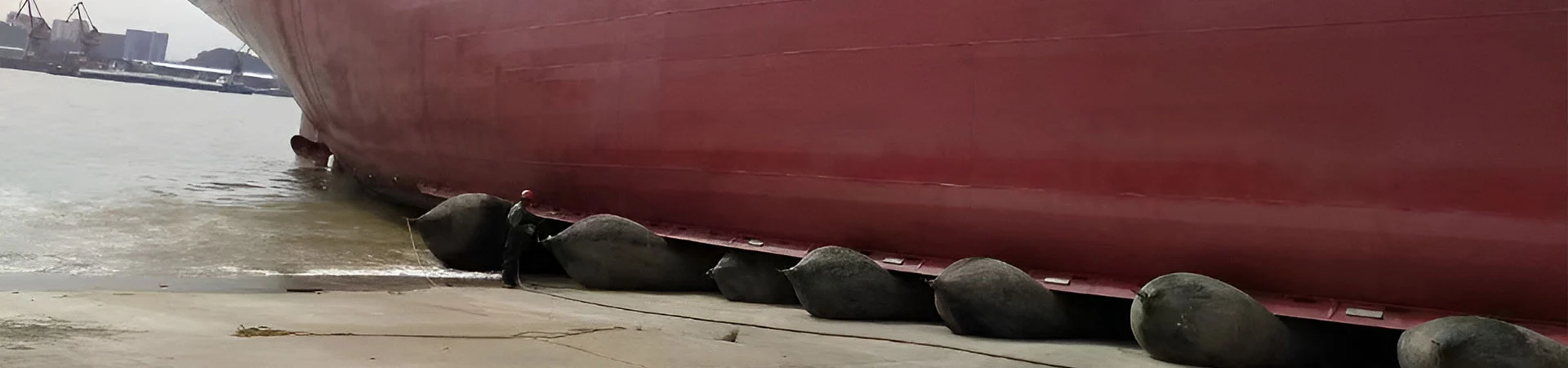
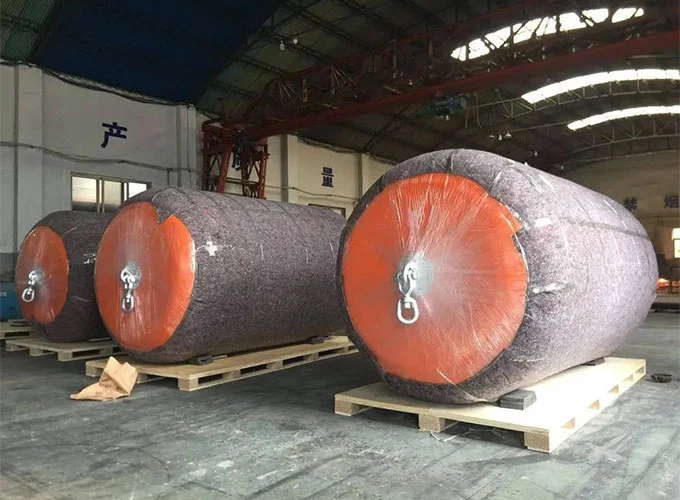
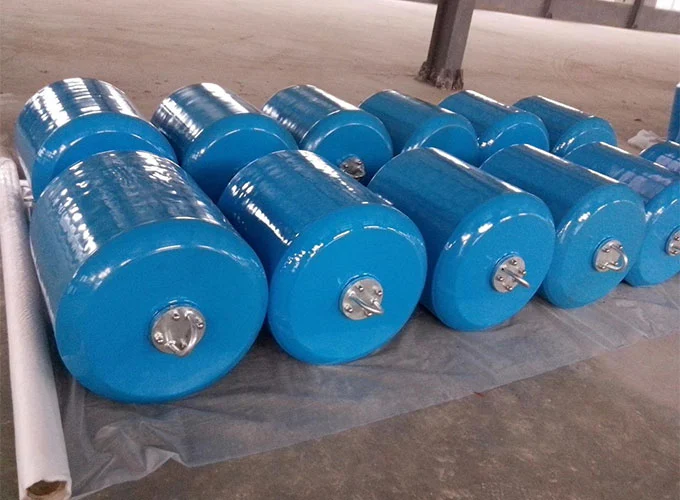
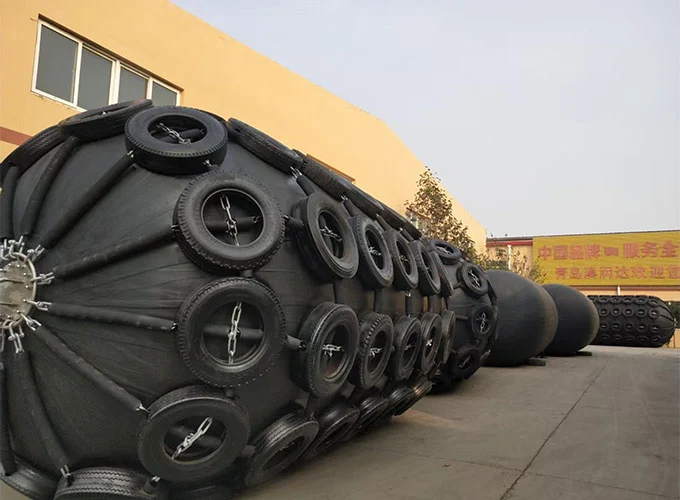
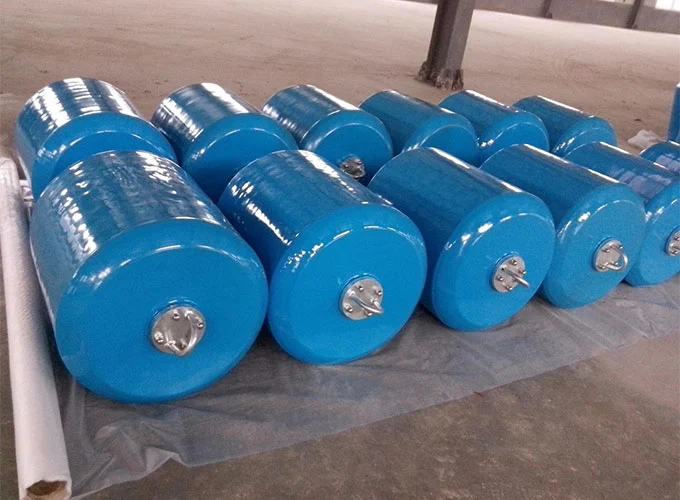
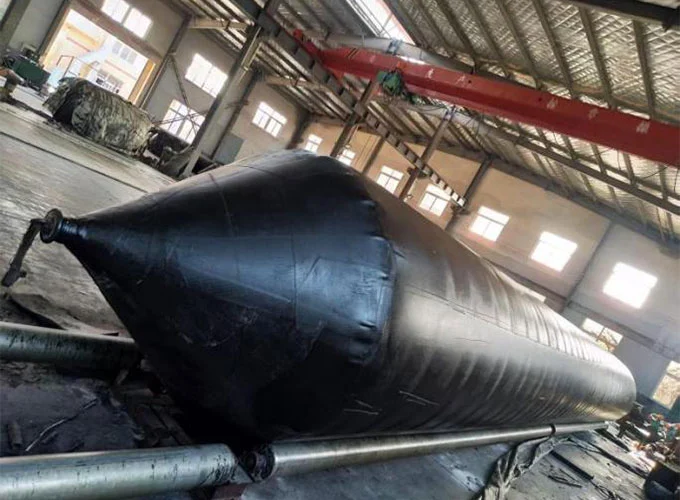
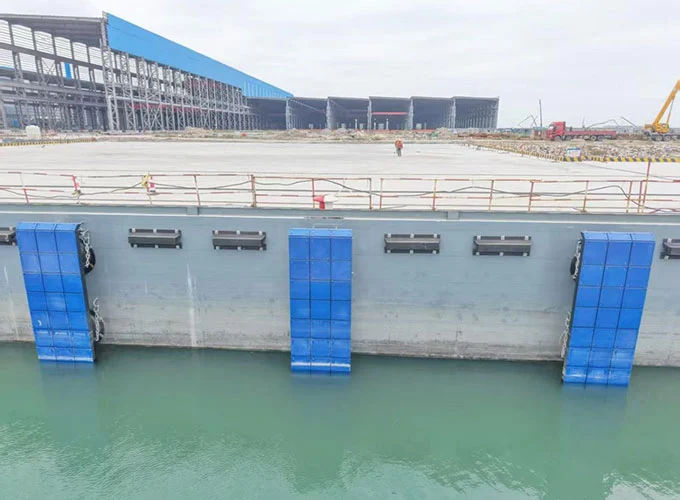
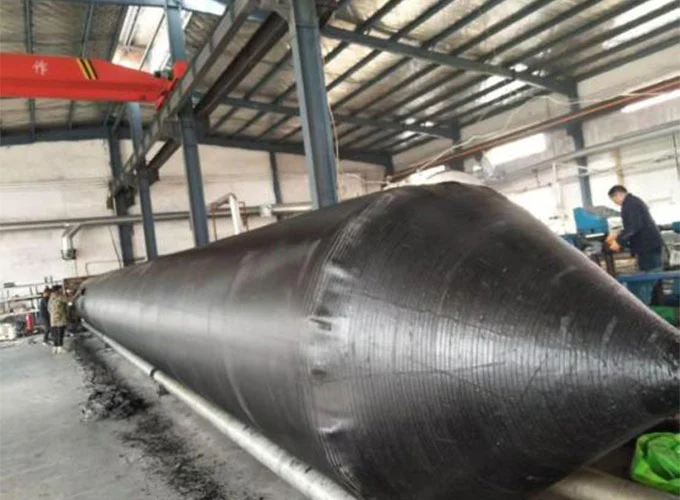
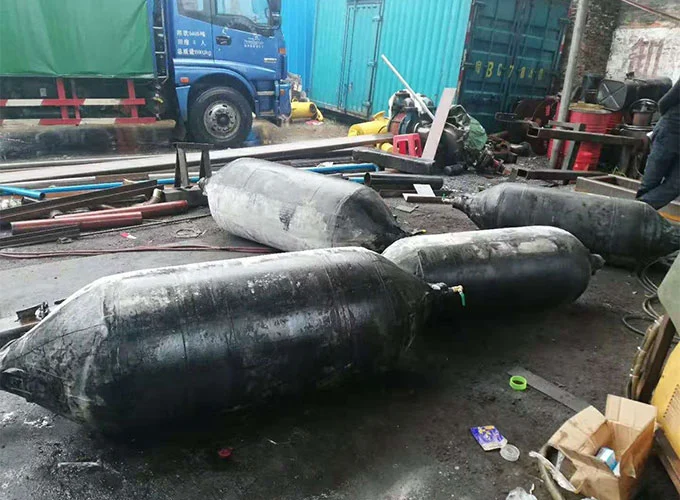
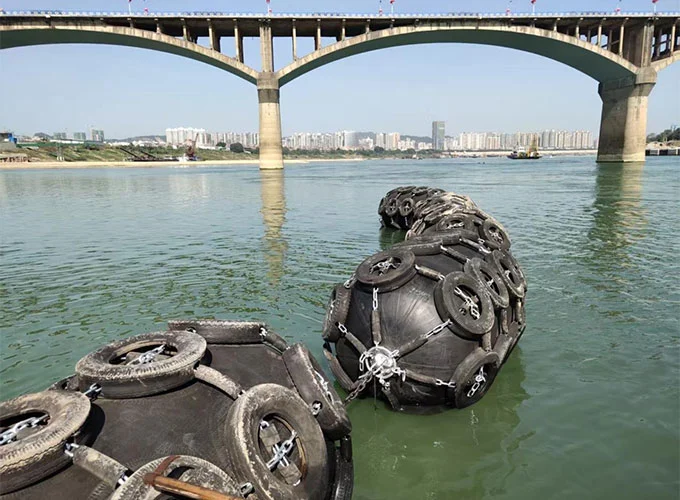
Polyurethane Floating Fender is an advanced marine protection solution designed to absorb impact energy, reduce vessel damage, and improve the safety of ports, docks, and offshore facilities. With excellent elasticity, corrosion resistance, and long service life, it has become an essential choice for ship-to-shore operations, offshore platforms, and heavy-duty marine applications. This article explains how polyurethane floating fenders work, their key advantages, applications, selection factors, and how they solve common challenges faced by marine operators.
Marine transportation continues to grow worldwide, and ports are facing increasing pressure to handle larger vessels, heavier cargo loads, and more frequent docking operations. During berthing, ships generate significant kinetic energy that can damage both vessels and port structures if proper protection systems are not installed.
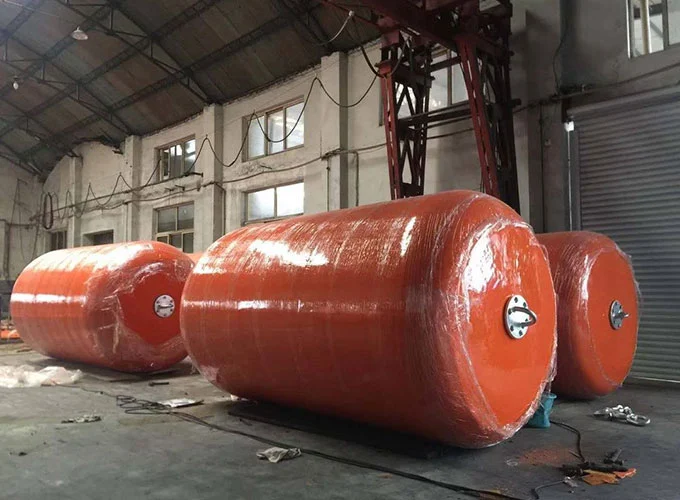
A Polyurethane Floating Fender is designed to provide reliable energy absorption between vessels and marine structures. Unlike fixed fender systems, floating fenders can move freely on the water surface, adapting to changing tides, waves, and vessel movement. This flexibility makes them suitable for complex marine environments where traditional protection systems may not perform effectively.
Made from high-quality polyurethane materials, these fenders combine strength, flexibility, and environmental resistance. They maintain stable performance even under repeated compression, harsh weather conditions, and long-term exposure to seawater.
For ports, shipyards, offshore terminals, and marine engineering projects, choosing the right floating fender is not only about preventing damage but also about improving operational efficiency and reducing maintenance costs.
Docking is one of the most challenging operations in marine transportation. Even experienced crews cannot completely eliminate impact forces caused by vessel speed, waves, wind, and tidal movement. Without proper protection, repeated collisions can cause expensive structural damage.
Many marine operators face several common challenges:
Polyurethane floating fenders address these problems by providing consistent performance, excellent durability, and reliable protection in demanding marine environments.
The primary function of a floating fender is to absorb and distribute impact energy generated during vessel berthing. When a ship approaches a dock, the fender compresses gradually, reducing the contact force between the vessel and the structure.
A polyurethane floating fender typically consists of a durable polyurethane outer layer and internal structural components designed to maintain buoyancy and strength.
Working Process:
The elastic recovery capability of polyurethane allows the fender to maintain long-term efficiency even after thousands of compression cycles.
Compared with conventional rubber or foam protection systems, polyurethane floating fenders offer several advantages that make them increasingly popular in modern marine projects.
| Feature | Benefit | Value for Users |
|---|---|---|
| High Energy Absorption | Efficiently reduces impact force | Protects vessels and marine structures |
| Excellent Elasticity | Maintains shape after compression | Longer service life |
| Corrosion Resistance | Withstands seawater exposure | Lower maintenance requirements |
| Lightweight Structure | Easy installation and handling | Reduces installation costs |
| Weather Resistance | Works under different climates | Reliable outdoor performance |
The combination of flexibility and strength allows polyurethane floating fenders to perform effectively in both calm harbors and challenging offshore environments.
Due to their excellent impact absorption capability and adaptability, polyurethane floating fenders are widely used in different marine environments. They provide effective protection for vessels, docks, and offshore structures where safety and durability are critical.
| Application Area | Protection Requirement | How Floating Fender Helps |
|---|---|---|
| Commercial Ports | Frequent vessel berthing and heavy loads | Reduces impact damage during docking operations |
| Shipyards | Protection during ship construction and repair | Provides flexible contact protection |
| Offshore Platforms | Resistance against waves and harsh conditions | Maintains stable performance in marine environments |
| Oil and Gas Terminals | Safe transfer between ships and facilities | Improves operational safety |
| Floating Docks | Adaptation to water movement | Provides continuous protection under changing conditions |
Whether used in small harbors or large industrial terminals, polyurethane floating fenders help improve docking safety and extend the service life of marine infrastructure.
When selecting marine protection equipment, many customers compare polyurethane floating fenders with traditional rubber or foam fender systems. Understanding the differences helps operators choose the most suitable solution for their projects.
| Comparison Factor | Polyurethane Floating Fender | Traditional Fender |
|---|---|---|
| Material Performance | High elasticity and strong recovery ability | Performance may decline over time |
| Environmental Resistance | Excellent resistance to seawater, UV, and weather conditions | Some materials require additional protection |
| Service Life | Designed for long-term marine applications | May require more frequent replacement |
| Maintenance | Lower maintenance requirements | Higher maintenance frequency in harsh environments |
| Installation | Flexible installation options | May require more complicated installation procedures |
For marine operators looking for a balance between safety, durability, and cost efficiency, polyurethane floating fenders provide a dependable long-term solution.
Choosing the correct floating fender requires careful consideration of vessel conditions, installation environment, and operational requirements. A suitable fender system can significantly improve protection efficiency and reduce future maintenance costs.
Important Selection Factors:
Working with an experienced manufacturer can help customers avoid incorrect selection and ensure the fender system meets project requirements.
The performance of a polyurethane floating fender depends heavily on material quality, production technology, and manufacturing experience. A poorly manufactured fender may suffer from reduced elasticity, surface damage, or premature aging, increasing operational risks.
Professional manufacturers focus on:
Qingdao Aorunda Rubber Industry Co., Ltd. focuses on providing reliable marine protection solutions with professional manufacturing experience and customized product capabilities. The company develops durable rubber and polyurethane-related products designed to meet different industrial and marine application requirements.
Q1: What is the main purpose of a polyurethane floating fender?
A polyurethane floating fender is mainly used to absorb vessel impact energy during docking operations. It protects ships, docks, and marine structures from collision damage while improving operational safety.
Q2: How long can a polyurethane floating fender last?
The service life depends on material quality, operating conditions, maintenance, and installation environment. High-quality polyurethane floating fenders can provide long-term performance under demanding marine conditions.
Q3: Can polyurethane floating fenders be customized?
Yes. Floating fenders can be customized according to vessel size, energy absorption requirements, installation conditions, and specific marine project needs.
Q4: Why choose polyurethane instead of traditional materials?
Polyurethane provides excellent elasticity, wear resistance, and environmental stability, making it suitable for applications requiring repeated impact protection and long service life.
Marine safety depends on reliable protection equipment. Selecting a high-performance polyurethane floating fender can help reduce vessel damage, lower maintenance expenses, and improve the efficiency of port operations.
With professional manufacturing capabilities and a commitment to quality, Qingdao Aorunda Rubber Industry Co., Ltd. provides dependable marine protection products designed for ports, vessels, offshore facilities, and industrial applications.
Looking for durable polyurethane floating fender solutions for your marine project?
Contact us today to discuss your requirements and receive professional product recommendations from Qingdao Aorunda Rubber Industry Co., Ltd.
Contact us now for customized marine protection solutions.
Phone: +86-532-87511707
Mobile: +86-13697683983
E-mail: anny@ardfenders.com
Address:No. 60, Kongquehe Fourth Road, Clothing Industrial Park, Jimo District, Qingdao City, Shandong Province, China
Copyright © 2026 Qingdao Aorunda Rubber Industry Co., Ltd. All rights reserved.